Are you a job seeker or a recruiter? Is it your first time hearing about unsolicited video interviews? This is the ultimate guide to learning this recruiting technology from the basics.
Recruitment technology think tanks are always looking for new concepts that can make the hiring process cost-effective, affordable, and faster than existing processes.
Such brainstorming has led to the birth of some incredible recruiting technologies, such as applicant tracking systems (ATS) and recruiting software.
One less explored technology is one-way video interviewing to automate the screening level of the hiring process.
Read on to learn the basics of the one-way video interview process, its advantages, disadvantages, and tips for improving it. Both hiring managers and candidates will benefit from this concise and short discussion.
What is a one-sided video interview?
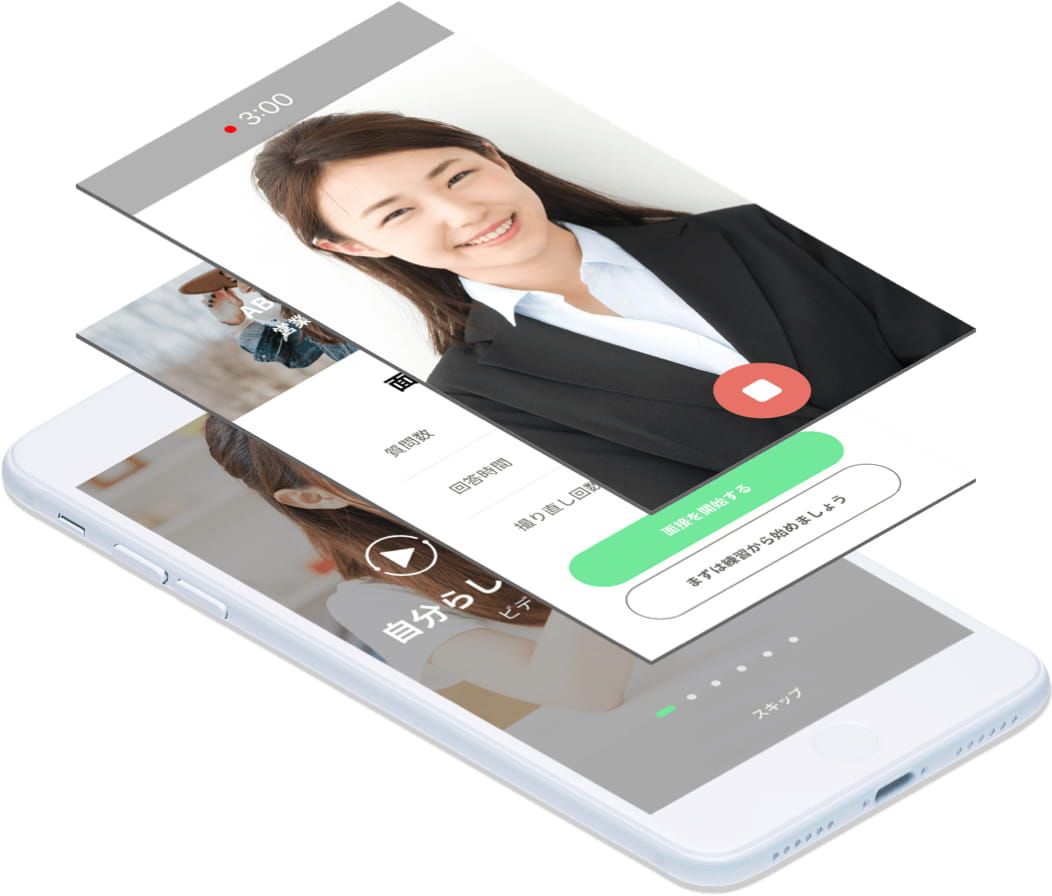
Remote and hybrid work models have driven the evolution of the recruitment industry. The industry is now prioritizing automation to screen, shortlist, interview, evaluate, and offer proposals faster than existing manual processes.
Unilateral video interviews are the underlying technology for such automation concepts. Leading multinationals and Fortune 500 companies rely on one-way video interviews to extract the best candidates from millions of job applicants.
#1. Candidate perspective

This is an inherently asynchronous interview method and is primarily used to screen candidates from a large pool of applications. Job seekers sit in front of their smartphones or computers for interviews.
Through a one-sided video interview app, the employer will ask you some preset questions, which you will have to answer using your webcam and microphone. Video interview platforms record videos and send them to employers.
Hiring managers will review all videos and select the best applicants who are familiar with video conferencing and are good communicators. Needless to say, accurate answers to interview questions will also influence the selection process.
#2.Recruiter ‘s perspective
You primarily access videos through platforms that help you record short interview videos like this one. Depending on the platform’s capabilities, you may need to use a laptop, smartphone, or both to review the interview recording.
Video interview platforms also provide additional content such as video transcriptions and candidate resumes, so you can easily mark successful and unsuccessful candidates.
One-sided interview process

Here’s a simplified version of how this process works:
- Candidates will receive an interview link from the recruiter.
- Open this file on your laptop, desktop, or smartphone that can record video and audio.
- Before recording the final interview, there will be a test session to evaluate the attachment first.
- Candidates can gain confidence by navigating a one-way video interview app during the testing phase.
- Next, the main event begins and the interview platform may display text-based or audio-based questions.
- Domain-specific assessments may also be performed.
- You have to answer the questions within a certain time frame.
- Sometimes there are retakes, sometimes there aren’t. It depends on the employer.
- Candidates will submit recordings.
- The interview platform transfers the video to the recruiter’s device.
- Recruiters will evaluate things like body language, confidence in virtual communications, and responses to assessments.
- Then select or reject candidates for the next level of recruitment.
Candidates must own a device that can record audio and video. You will also need to open the email in the app or web browser to access the interview link.
Recruiters will need a laptop or smartphone with access to a website or app to download recorded videos. Companies can also use recruitment CRMs to automate further processes in the recruitment pipeline.
Needless to say, you must be able to play these videos. However, one-way video interviewing platforms primarily offer built-in systems for video playback and candidate scoring.
When do recruiters use unsolicited video interviews?

Candidate screening
In some cases, candidates who are shortlisted over the phone may not perform well in front of the manager conducting the interview. That would be an unproductive use of the manager’s schedule. Therefore, staffing agencies and recruiters use this technology to instill confidence before proceeding with interviews for management positions.
remote work

When companies hire employees for remote or work-from-home positions, they use video interviews for all applicants. This helps recruiters understand candidates’ confidence in front of cameras, microphones, and monitors.
This is because staff will be required to use video conferencing media for the remainder of their tenure.
Processing bulk applications
Some enterprise-level companies use full automation to analyze candidates from unsolicited video interviews. These automation technologies include:
- audio transcription
- Analyze candidate body language from video
- Score applicants based on ratings
Once all of the above is done, the recruitment CRM simply forwards the list of pre-screened candidates to the next round of interviews.
save time
A single recruiter can narrow down hundreds of candidates to a shortlist by reviewing an asynchronous video interview compared to an individual phone call or video conference. Therefore, you can hire faster.
Identify skills quickly
When it comes to unsolicited video interviews, you can quickly identify the best candidates by framing your questions wisely.
understand personality
Reviewing video interviews will help you understand the candidate’s personality. Over the phone, applicants can follow a script, whereas with a video call, they can’t.
Collect organized data
Many recruitment agencies and recruiters want to collect structured data about candidates through one-way video interviews. This will help you build a database of future candidates. Not to mention, recruiters can easily score applicants based on data collected from videos.
Reduce the length of the interview process
Recruiters use this recruitment technology to eliminate some steps in the hiring process and shorten the entire process. For example, a one-way video interview can replace steps such as resume reviews, phone calls, personality tests, and assessments.
Reduction in recruitment budget
In some cases, recruiting executives may be required to travel to other locations to:
- Conducting pre-screening interviews at educational institutions
- Interview candidates in bulk at the staffing agency’s office
Such trips are expensive. Companies reduce this cost by using one-way video interviews.
Advantages of one-sided video interviews

- Recruitment media is useful for both job seekers and recruiters.
- As a candidate, you can try your best shot from the comfort of your home or your favorite cyber cafe.
- Both employers and candidates save on travel costs.
- Recruiters often make one-shot assessments of candidates during in-person or phone interviews. However, with one-way video interviews, recruiters can watch the video multiple times before deciding whether to pass or fail a candidate.
- Candidates can be interviewed whenever they have free time. Job seekers do not have to take unscheduled leave from their existing office.
- You can feed video into your AI-based recruiting solution to automatically screen candidates according to pre-set metrics.
- Organizations can screen all applicants through one-way video interviews. Sometimes ATS tools make some mistakes, which can be avoided by using this recruitment technology.
- Candidates participating in this process will have the necessary devices and accessories to participate in the video conferencing session. People who don’t finish the recruitment process. Therefore, we find that pre-screened individuals are suitable for remote work.
Disadvantages of one-sided video interviews
- Candidates from remote locations without easy access to the internet are not eligible to apply.
- Job seekers who don’t feel confident in front of the camera will also leave the system.
- If you’re recruiting on-site and choose a one-way video interview for pore screening, it’s too much of a burden on candidates. This is because you will need to procure video conferencing devices that will no longer be needed once you are hired.
- In most cases, candidates are given a time limit during this interview process. Therefore, some applicants may not score well right away, but they have the skills you need.
- Setting the wrong questions in such a recruitment process can make the interview completely fruitless.
- Most companies rely on third-party video interview service providers. If a service provider has too much workload on a particular day, it can affect the recruitment process. After doing a proper evaluation, you should choose a managed service provider.
- Such videos must be properly disposed of or stored, or your organization may face privacy violation lawsuits.
One-way video interview platform

Now that you have a thorough understanding of the process of unsolicited video interviews, let’s discover some platforms that often serve organizations well when conducting such interviews.
standard
Criteria is a full-service platform for conducting one-way video interviews. It comes with a workspace where you can create interviews with drag and drop. Simply choose your interview questions and domain assessments from our vast library of criteria. The library has questions from most industries.
You can send invitations to candidates directly from your criteria workspace. There is no need to copy the link from the tool and share it via email or another medium.
The standards also provide a video conferencing interface for candidates to use to record their responses. Additionally, you are given the option to customize the interface with brand assets to promote your organization.
Finally, recruiters review and score candidates on the interview review platform provided by Criteria. This tool also integrates with many automated recruiting solutions in case you want to export your screening data to a CRM.
hyreflix
Hireflix helps you conduct one-way video interviews by complying with international privacy regulations. The platform comes with a SOC 2 compliance certificate. This means handling customer data in the strictest possible manner to eliminate privacy violations.
The main features of this video interview service provider are:
- Reduce scheduling time
- Freeing recruiters to focus on interviewing and hiring
- Interview thousands of candidates with just one digitally recorded interview
- Allow recruiters to share and collaborate on interview videos
- Candidate-friendly UI
- Integrates with popular ATS solutions
Hireflix currently offers a free demo and a 1-month free trial. So, you can sign up to the platform and try it yourself and experience the difference.
Tips for improving the quality of one-sided video interviews

#1.Job seeker
- Employers may use video interviews like this to determine your ability to follow instructions. Therefore, please read the interview instructions carefully before proceeding.
- Please dress professionally for your video interview.
- Test your video and audio accessories before proceeding with your final interview recording session.
- Look for an isolated location to take the interview.
- Please answer all questions within the specified time. Recruiters will give better scores to answers with a deadline.
- Before you start your interview, practice some obvious interview questions in front of a mirror.
- Sit up straight and in a professional manner, just as you would if you were in front of your interviewer.
#2.Recruiter /Employer
- Choose your interview questions and assessments wisely. This section determines whether you can obtain actionable data.
- This process uses an online one-way video interview tool.
- Connect your video interviewing tools to your recruiting software.
- Please dispose of the video in accordance with international and local privacy regulations.
- Use a time-bound response process.
- Personally identifying information will be redacted for a fair video interview process.
- We allow some retake options as some candidates may make mistakes during the recording process.
#3.Staffing company
- Review video interviews you’ve collected for multiple jobs. It helps you acquire quality candidates for multiple clients.
- If you want to save your videos for review in future job openings, be sure to encrypt the content to avoid violating privacy regulations.
- Work closely with your hiring client to choose the most appropriate survey.
conclusion
One-sided video interviews are here to stay as companies go digital and require digital ways to assess job candidates.
Candidates who do not know about this recruitment technology should refer to the above knowledge resources to prepare for the upcoming high-tech interview session.
Recruiters new to the recruitment industry can also gain confidence in this new recruiting technology by reading the full article.
Needless to say, you can both find above the tools that companies use for their one-way video interview process.
You may be interested in learning about the best developer interview platforms to hire the best developers for your project.


![How to set up a Raspberry Pi web server in 2021 [Guide]](https://i0.wp.com/pcmanabu.com/wp-content/uploads/2019/10/web-server-02-309x198.png?w=1200&resize=1200,0&ssl=1)


