
Bad things overlap. If some of Intel’s management and investors didn’t believe this old adage before 2018, they certainly do now. The past few months have been exactly like that.
On the heels of everything the company has had to endure lately comes reports of another security flaw that allegedly affects “millions of business laptops” running on Intel CPUs . Intel’s Active Management Technology (AMT)’s “insecure defaults” allow attackers to bypass passwords and PINs and gain access to unsuspecting victims’ PCs within seconds “without writing a single line of code .” Allows unauthorized access. But Intel’s problems run deeper.

These reports cap off perhaps the most alarming start to the new year in the company’s history, but Intel’s troubles began in early 2017.
Ryzen brings the fight
The company’s 2017 was pretty bad by any standard. Earlier this year, the company lost x86 market share to AMD’s Ryzen lineup, which beat Intel’s Kaby Lake chips in terms of price performance.
Ryzen dominated the headlines thanks to its new architecture, but it also managed to capture a significant market share . Even excluding the holiday season, when sales of high-tech products surge, the company managed to sell more than 1 million processor units in the desktop chip market. As a result, it achieved a healthy market share of 10-11 percent over three quarters of 2017.
Samsung dethrones Intel
Then came the news that after 25 years of falling behind American chipmakers in the global semiconductor market, Samsung had finally overcome it with the aim of becoming the segment leader.
Intel has led the semiconductor market since 1992, but was overtaken by its South Korean rival in the second quarter of 2017, when Intel posted revenue of $14.76 billion. During the same period, Samsung generated $15.8 billion in chip sales, helped by a surge in demand for its NAND flash chips.
meltdown and specter
Intel investors would have been hoping for a better start to the new year, but the publicization of Intel’s infamous meltdown and Spectre security vulnerability in Intel’s CPU chips dating back 25 years has put a damper on that. The expectations were rewarded.
Of course, the company was reportedly informed of this flaw way back in June of this year, when Google’s Project Zero team and other cybersecurity researchers accidentally discovered the aforementioned vulnerability, and subsequently published various has been found to threaten the hardware of several vendors.
To this day, the Specter and Meltdown fixes remain a thorn in the side of many companies who are frustrated by the way the patches interact with and slow down their existing systems.

class action lawsuit
If Intel thought it could start the rebuilding process by releasing new chips and repairing old ones, it’s not done yet. The company has now found itself on the wrong end of multiple class action lawsuits filed by angry customers in California, Indiana and Oregon. Worryingly for the company, experts predict that this is just the beginning and that more lawsuits against the company could follow. As the saying goes, the hits keep coming.
Intel insider trading?
As if this wasn’t enough, the embattled company’s CEO, Brian Krzanich, is currently under fire for alleged insider trading. Critics claim that Mr. Krzanich sold about $39 million in company stock after Intel had already been informed of the flaws and before Google’s Project Zero research team made them public. He is believed to have made a profit worth $25 million from the sale, but it was not immediately clear whether the U.S. Securities and Exchange Commission would launch an investigation into the matter. 
Qualcomm threat
While Intel can’t do anything about the past accusations from Qualcomm, especially in the mobile space, it can certainly look forward to a fresh start when it comes to new forms of computing devices. We’re talking about always-on PCs with Windows 10. Microsoft was already working with Intel on “always-on” laptops that will hit the market this year. But Qualcomm is still a threat here, with new PCs scheduled to be released including a PC with the Snapdragon 835 and a Chromebook with the Snapdragon 845 later this year.
Additionally, Microsoft also plans to run its Azure cloud platform on Qualcomm’s new ARM-based Centriq 2400 server solution. If Qualcomm is able to overcome its performance gap, these new deals could moderate the growth of Intel’s client computing and data center businesses.
Hope from IoT
Intel needs a two-pronged strategy to counter threats from AMD and Qualcomm, not to mention other chipmakers like Samsung. However, if it doesn’t want to lose its edge in retail PCs, it will need to aggressively counter the threat posed by AMD’s next-generation Ryzen chips.
Meanwhile, Intel needs to aggressively roll out a coherent mobile and IoT strategy following the company’s announcement that it would be withdrawing from its Atom lineup for smartphones and tablets, which was no match for Qualcomm’s ARM-based products. There will be.
To that end, Intel was hoping its low-power Quark-based Curie SoC would become a force to be reckoned with in the IoT market, and the company recently also pulled the curtain on Curie and Arduino 101. In any case, as of Q4 2017, the IoT business accounted for less than 10% of Intel’s revenue, and although it is growing rapidly, it is still far from rivaling the core PC market. It’s a long journey. The company also reported that cloud data center revenue increased 7% to $4.9 billion . 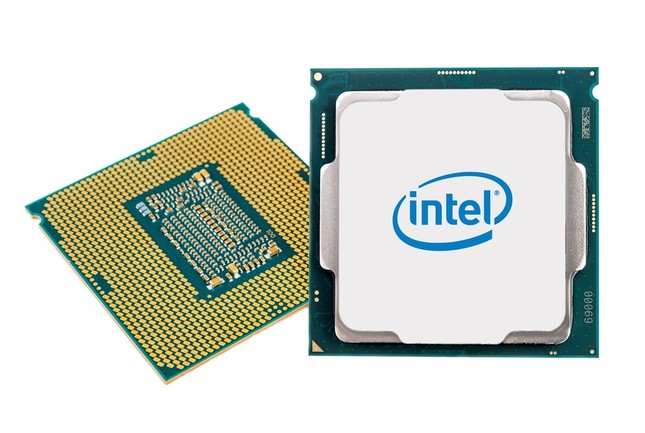
The baseband modem business is also facing stiff competition from Qualcomm, so Intel should hope that its next-generation x86 CPUs can steal the mainstream market from AMD’s Zen+ and Zen2/3 chips in the coming years. It won’t happen. data center market.
But that’s easier said than done, given that recent developments are sure to hurt consumer sentiment across the board. Many retail and business users are scrambling to protect their PCs from a number of security flaws that have recently been detailed, or the damage caused by flawed firmware patches that have done more harm than good. Intel’s reputation has taken a huge toll in the effort to get things back on track.


![How to set up a Raspberry Pi web server in 2021 [Guide]](https://i0.wp.com/pcmanabu.com/wp-content/uploads/2019/10/web-server-02-309x198.png?w=1200&resize=1200,0&ssl=1)


