Calculating your business’ break-even point is important to determining its profitability.
If you are a small business owner or just starting your own business, it is important to perform a break-even analysis. This will help you determine if your business is sustainable, if your costs are too high, or if your princess is too low to break even at the right time. Helps predict business profitability, revenue, and growth.
What is the break-even point?
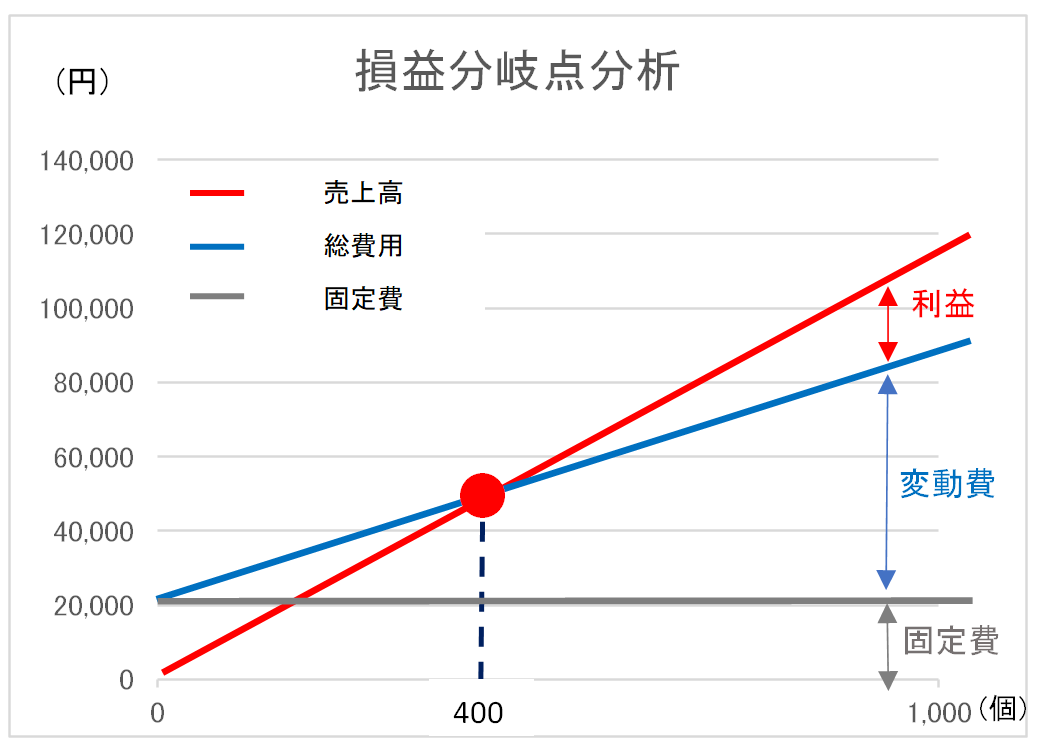
The break-even point in a business is the point at which total revenue equals total costs. At this point, your business is not making any losses or profits. This means that you are getting the same amount of money that you are spending on your business. For small businesses, reaching the break-even point is the first step to success and increases the profitability of the business.
The break-even point formula is an important tool for business. This will help you determine when your business will be profitable. You can then strategize your business plan accordingly and achieve success. This helps you predict growth and profitability, but it can also help you promote new products, reduce expenses, stay ahead of your competitors, and more.
How do I calculate my break-even point?
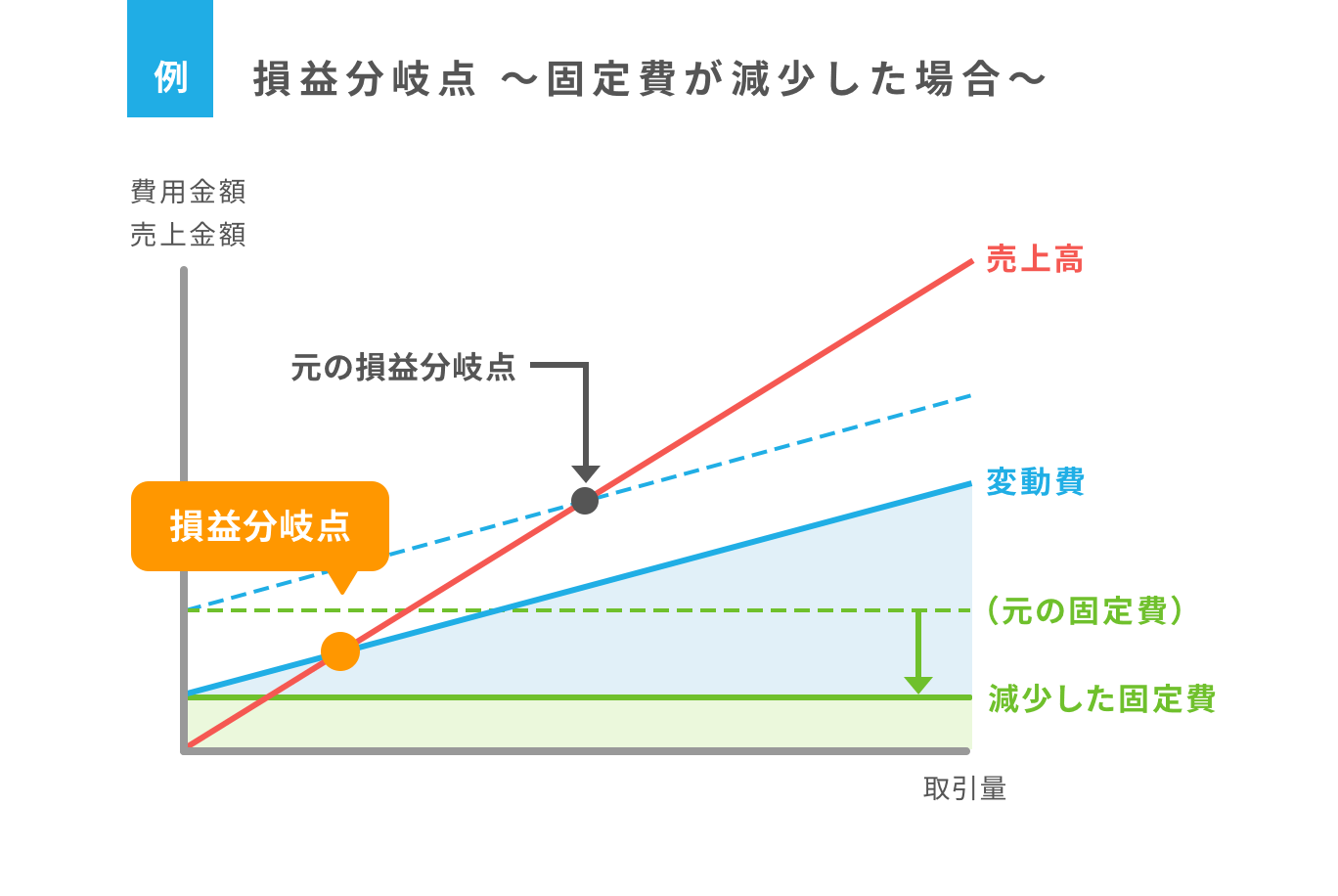
There are two basic ways to calculate the break-even point for your business. One is based on the number of units of product sold and the other is based on points of sales dollars.
Formula for calculating break-even point based on units:
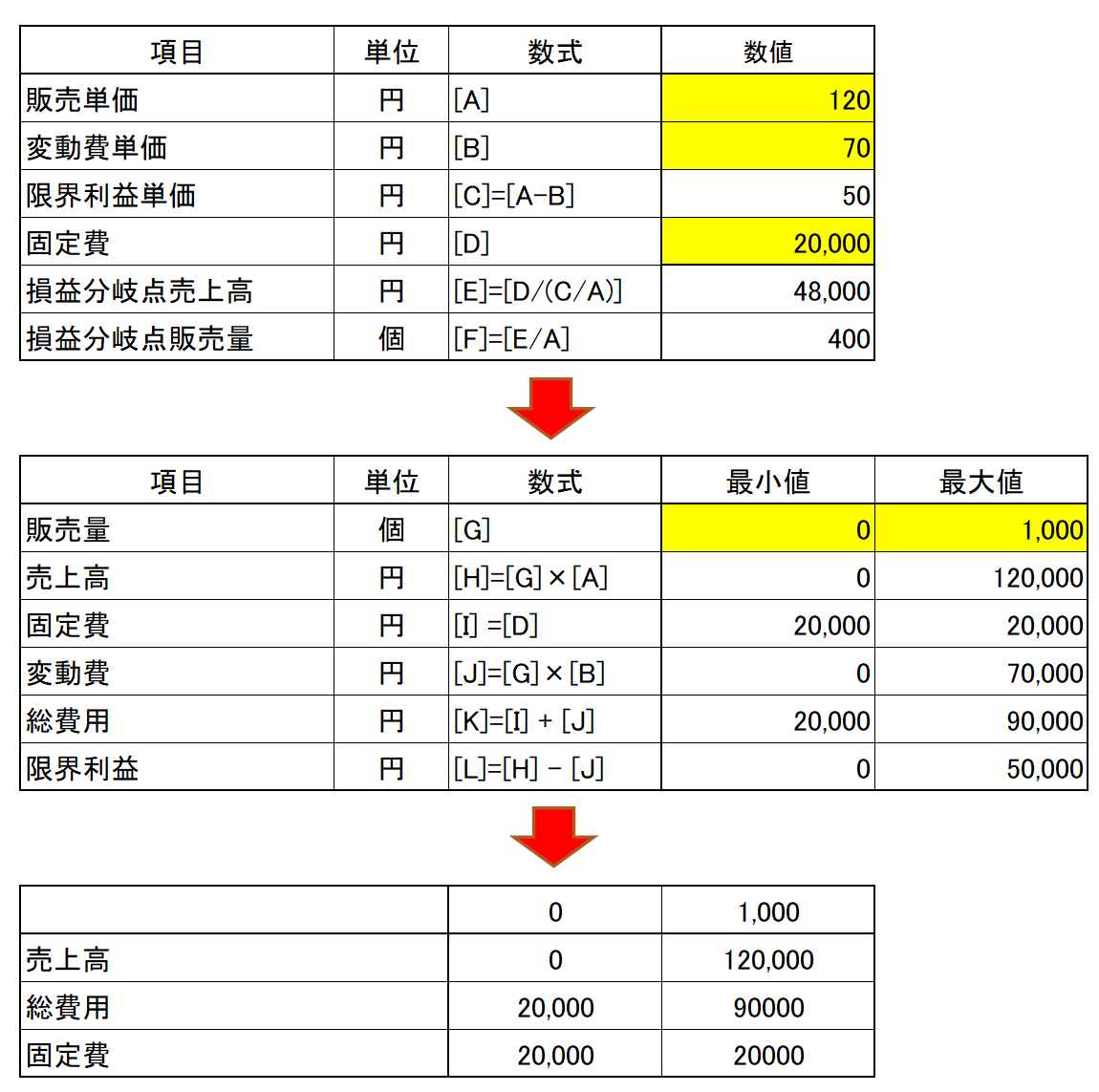
Break-even point is calculated by dividing fixed costs by selling price per unit minus variable costs per unit.
Break-even point (units) = Fixed costs ÷ (Selling price per unit – Variable costs per unit)
- Fixed costs: Fixed costs include costs that do not change or change only slightly and are not dependent on the number of products sold. Examples of fixed costs for a business include rent, utilities, production equipment, and service-based costs such as advertising and public relations.
- Selling price per unit: The selling price of each product that a customer must pay to purchase the product.
- Variable costs per unit: Variable costs refer to costs that change frequently. These costs are directly related to the production of the product and include the cost of hiring labor and materials used. Variable costs are calculated by dividing the total variable costs by the total number of units produced (total variable costs ÷ total units produced).
example:
To better understand the break-even point formula and how it is calculated, let’s look at an example.
Neil runs a protein supplement company and wants to introduce new flavors. Before launching this new flavor, he wants to determine what impact it will have on the company’s finances. That’s why I decided to calculate the break-even point to find out if it’s worth investing.
Fixed costs = $2400
Variable cost = 0.50 (per item produced)
Selling price = $2
Breakeven point = $2400/($2 – $0.50) = 1600
This means that Neil must sell 1,600 items before he breaks even.
Formula for calculating break-even point based on sales amount:
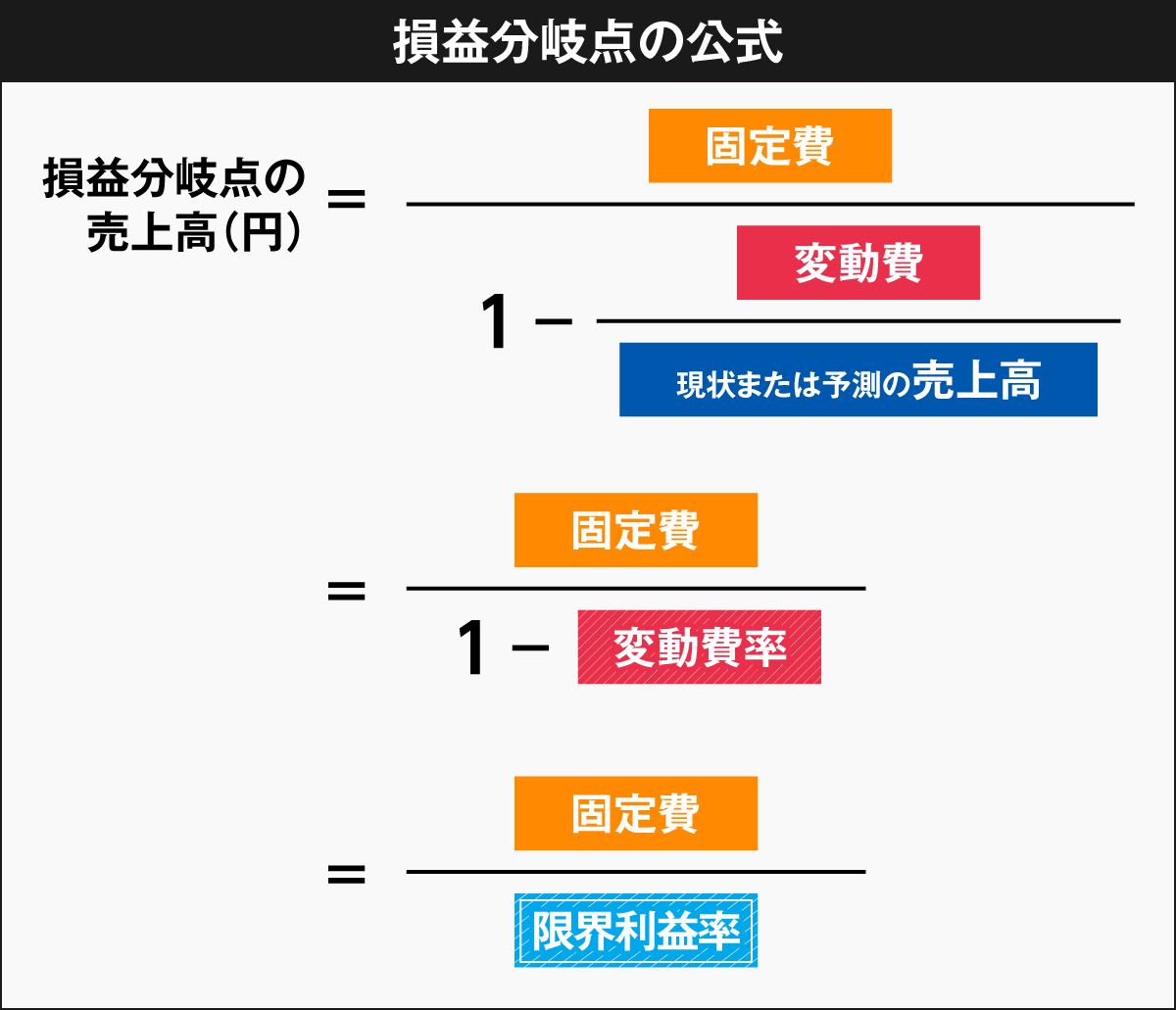
It is calculated by dividing fixed costs by contribution margin.
Break-even point (unit) = Fixed costs ÷ Contribution margin
Contribution margin : Contribution margin is the difference between an item’s variable costs and cost of goods sold.
Contribution Margin = Product Price – Variable Costs
example:
I have given the same example and explained it above.
Fixed costs = $2400
Contribution profit = 1.25 -$0.5 = 0.75
Breakeven point = $2400/0.75 = $3200
This means that Neil needs to generate $3,200 in revenue from selling the protein supplement to break even.
The best break-even point calculator

excellent calculator
Good Calculators is a free and simple break-even point calculator.
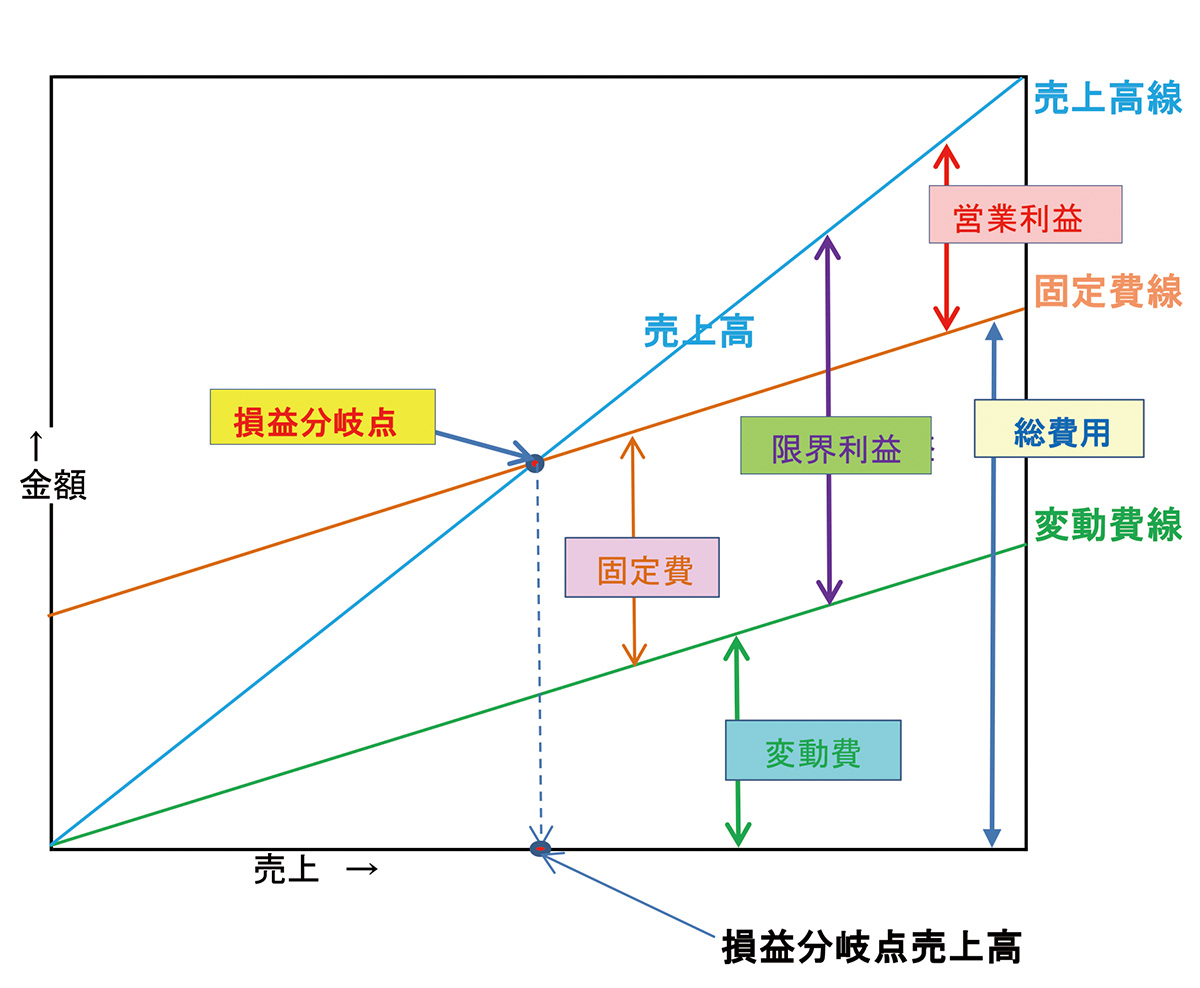
Apart from that, it also offers various other calculators such as salary and income tax calculator, depreciation calculator, foreign exchange calculator, loan calculator, etc.
Nase – Break-Even Point Analysis Calculator
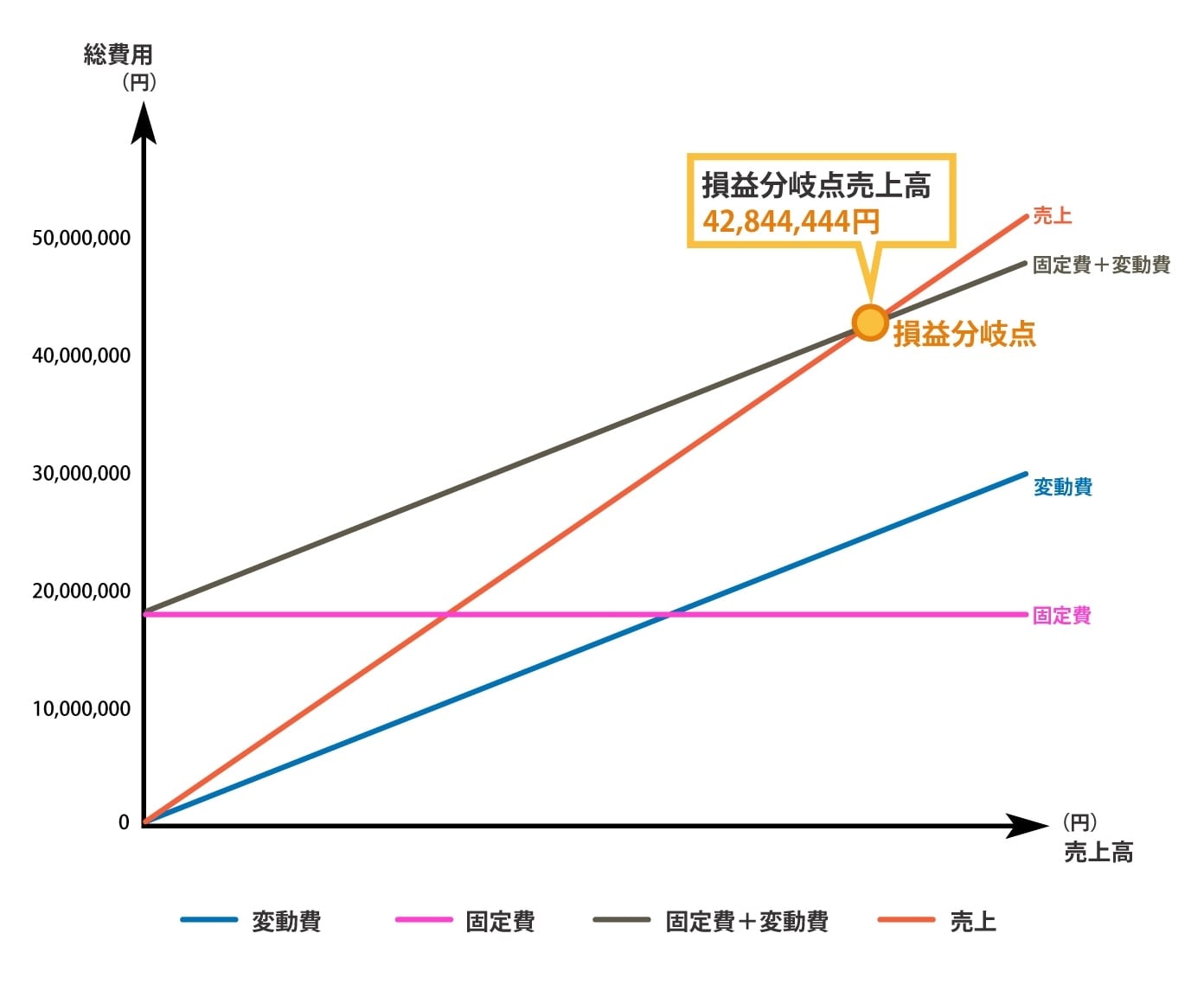
This is another free calculator to calculate your break-even point . This calculator provides a graphical representation of your break-even analysis and provides a report based on your input.
Startupbonsai – Break-even point calculator
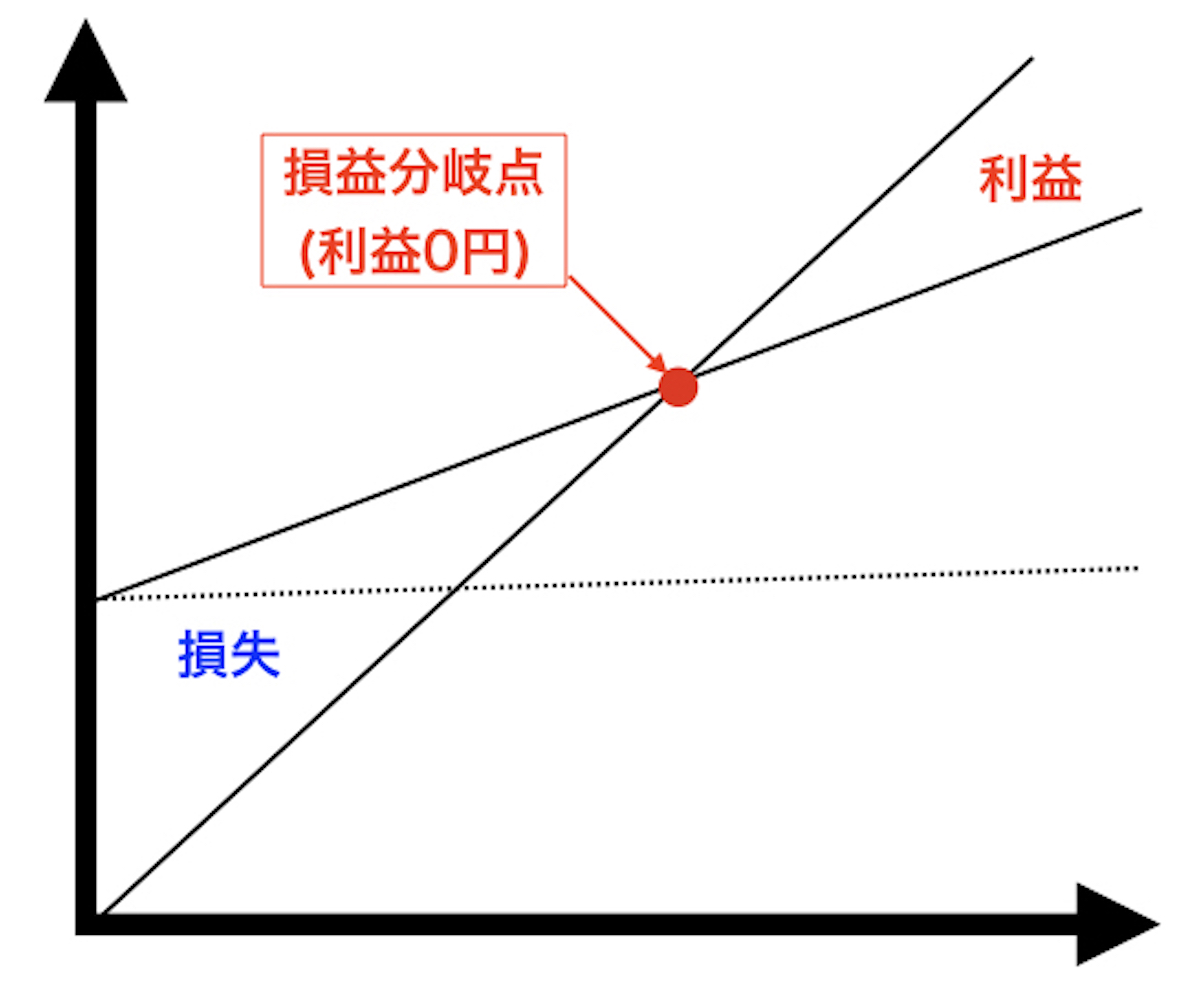
This break-even point calculator by Startupbonsai will give you the total units and amounts needed to reach your break-even point.
conclusion
For entrepreneurs, the break-even point is a great tool to know if their business or new product is worth investing in. Break-even analysis makes it easy to strategize and plan next steps to increase the profitability of your business.
However, calculating manually can be a tedious task, especially if there is too much preparation. To calculate your break-even point, you can use any of the break-even point calculators listed above.
You can also find out how to calculate business profit margin.


![How to set up a Raspberry Pi web server in 2021 [Guide]](https://i0.wp.com/pcmanabu.com/wp-content/uploads/2019/10/web-server-02-309x198.png?w=1200&resize=1200,0&ssl=1)


