This is an era of disruption, and traditional business models are under attack…;well, why not? The trends and developments sweeping the business world in recent years require a re-evaluation of business models and standards.
Banks and fintech companies have been responsible for the ongoing blockchain technology curve. However, most traditional businesses have explored new technologies to survive in this digital age.
The ongoing digital transformation has enabled adopters to take advantage of a major disruptive technology in the market: blockchain. This has enabled them to streamline business processes, make strategic decisions, and implement new business models.
If you’re wondering what all the hype is about blockchain and whether distributed ledger technology (DLT) has potential, we’re here to help. Our article details the possibilities and benefits of blockchain, its impact on business models, and examples of companies experimenting with blockchain business models.
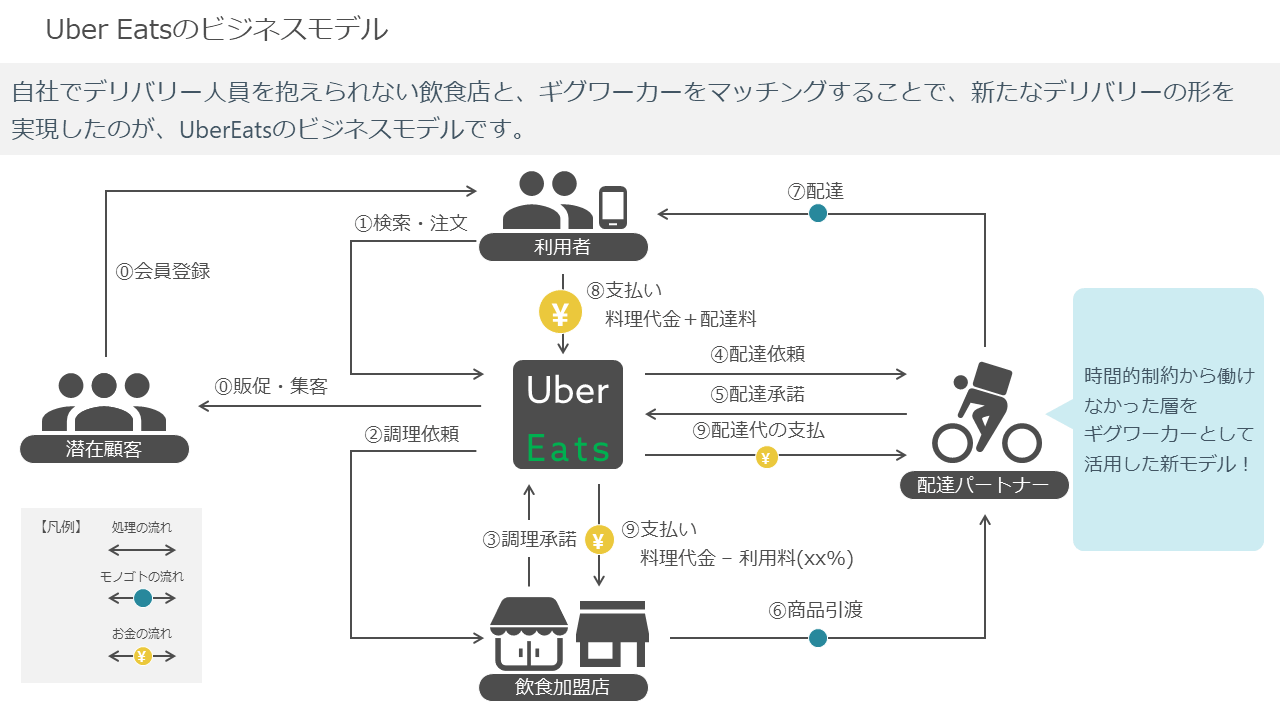
The disruptive power of blockchain in business
Blockchain has disrupted many industries, transforming the way companies innovate, function, and interact with customers. Blockchain-based business models have helped companies change their strategies and discover new ways to survive in the digital world.
Blockchain-based business models distinguish themselves from traditional businesses by adopting three key features of DLT:
Decentralized : Data and transaction records are stored within the blockchain and shared across all networks, so no individual entity has a monopoly over the records.
Immutability : No one can tamper with the data stored on the blockchain thanks to encryption that promotes the highest level of cybersecurity.
Transparency : Blockchain’s ability to hide users’ identities through the complex science of cryptography is at a level never seen before, with only public addresses representing users. While the true identity of the user remains obscured, all transactions entered using a public address remain transparent to everyone within the network.
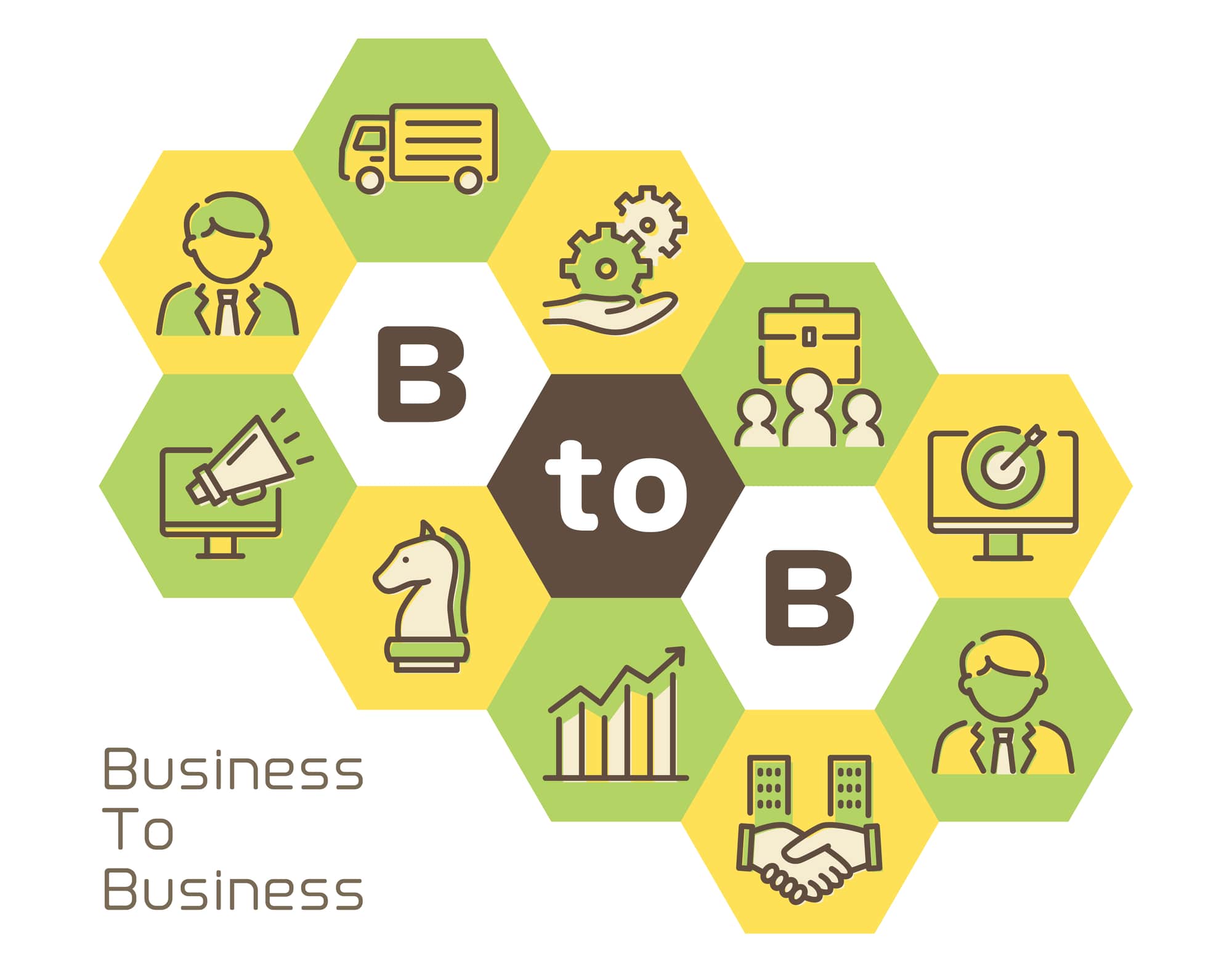
Three layers of blockchain
Blockchain is a combination of cryptographic algorithms, asymmetric key algorithms, and hash functions. This technology consists of several layers: hardware infrastructure layer, data layer, network layer, consensus layer, and application layer. Let’s examine them in detail.
#1.Layer 0
Layer 0 refers to the initial stage of a blockchain and enables the operation of Bitcoin, Ethereum, and many other features. It is Layer 0 that provides the underlying infrastructure of the blockchain and cross-chain interoperable communication within the various layers.
#2.Layer 1
Layer 1 of blockchain is an evolution from layer 0, where the functionality of the network is maintained. Also known as the implementation layer, this level introduces limitations such as scalability, but changes that occur in new protocols at layer 0 directly impact layer 1. Bitcoin, Ethereum, Ripple, Cardano, and several other cryptocurrencies are examples of layer 1 blockchains. .
#3.Layer 2
Layer 2 refers to scaling solutions with specific platforms that interact with third parties to remove the limitations and challenges experienced at Layer 1. Layer 2 solutions are one of the most popular solutions today that aim to solve the problems arising from proof-of-work (PoW) consensus. mechanism.
#4.Layer 3
Layer 3 of blockchain, also known as the application layer, hosts decentralized applications (DApps) and other protocols that support various apps. Layer 3 blockchain protocols can be further divided into two sublayers: application and execution.
Advancements in blockchain business models occur at Layer 3, and their success is driven by the increased scalability of the technology resulting in an increase in transaction loads and nodes for different networks. Improved scalability allows blockchain to address the trilemma of security, scalability, and decentralization, building faster and more secure networks, and enabling blockchain businesses.
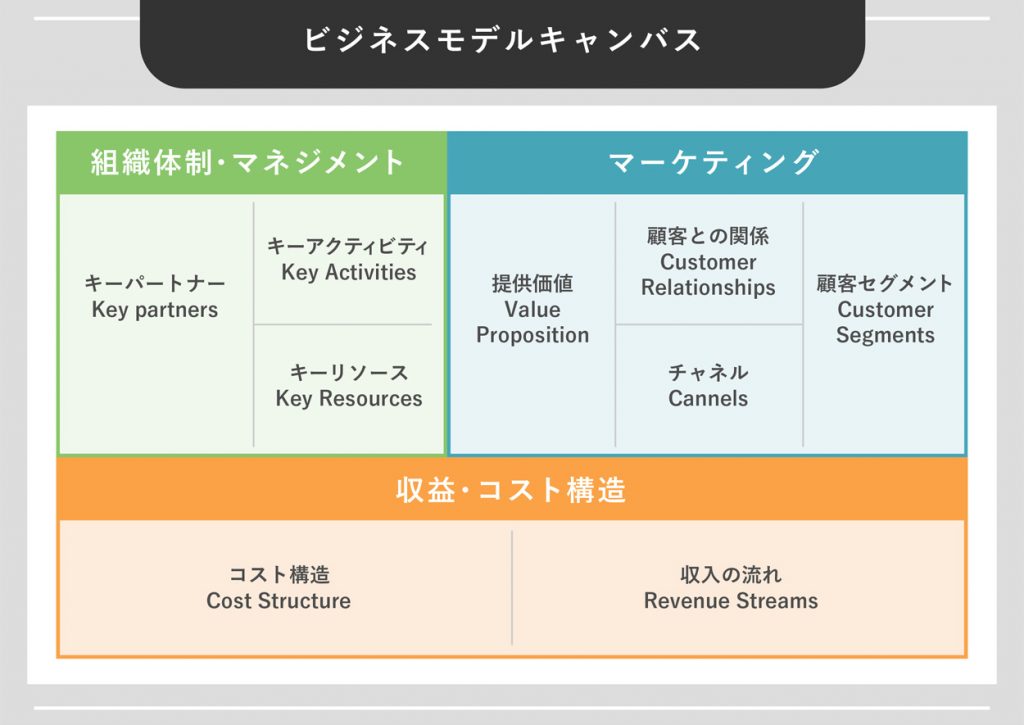
Traditional business model
First, a business model is a plan or strategy that a company employs to sell its services or products and make a profit depending on its target market. Traditional business models are centralized and consist of owners or shareholders, the company, its employees, and consumers.
In this model, businesses provide goods and services and earn profits through them. Once you create a product, you expect consumers to buy that product or service for a certain price. This fee is set to cover important details such as wages and any other costs incurred by the business to provide the goods or services. Companies operating this model use a centralized model and, depending on the industry, include manufacturers, distributors, retailers, and franchises.
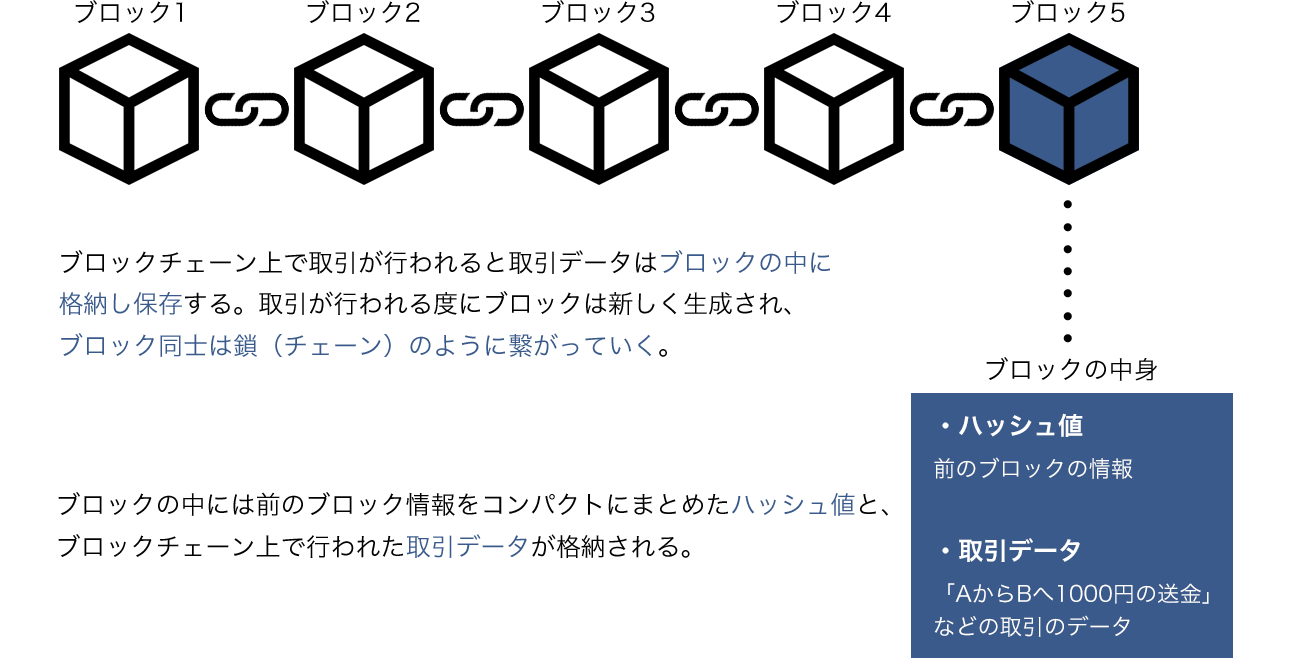
Blockchain business model
On the other hand, the blockchain business model consists of three main characteristics of blockchain technology: decentralization, immutability, and transparency. The nature of business is primarily conducted through peer-to-peer transactions within a trusted network.
The concept of decentralization completely changes the way business functions. Elements such as profit making, transaction and entity flows are designed differently to increase profits for businesses and end users.
This model introduces decentralized applications (DApps) that can perform peer-to-peer transactions directly by eliminating central authorities and intermediaries.
Introducing DApps into the model eliminates the need for employees or shareholders. Even though blockchain dramatically changes the influence and role of users, this business model is profitable because users ultimately become owners and workers. Removing intermediaries reduces third-party time and costs, strengthens the ecosystem, and increases returns for investors while lowering prices for consumers.
Companies using this model make money by keeping a portion of the tokens themselves. Initially, both companies used initial coin offerings (ICOs), which were popular around 2017. The founder assigns a predetermined value to the token and sells it to interested investors. Early adopters of this type of crowdfunding always have a chance to profit if such projects become reality.
Types of blockchain business models
The best part about blockchain being a universal technology is that although it was initially used by banks and fintech organizations, it is still being adopted in many sectors and can be deployed to a wide variety of audiences. This explains the continuous development of applications and new business models.
When deployed in various business models, the decentralized structure of blockchain technology takes on core functions such as business operations, data storage, profit collection, and business growth. Blockchain ensures that end users enjoy secure and transparent peer-to-peer communications, data management, and transactions. Furthermore, by exposing cybercrime attempts before they are executed, we make the case for blockchain as a tool that provides the highest cybersecurity standards.
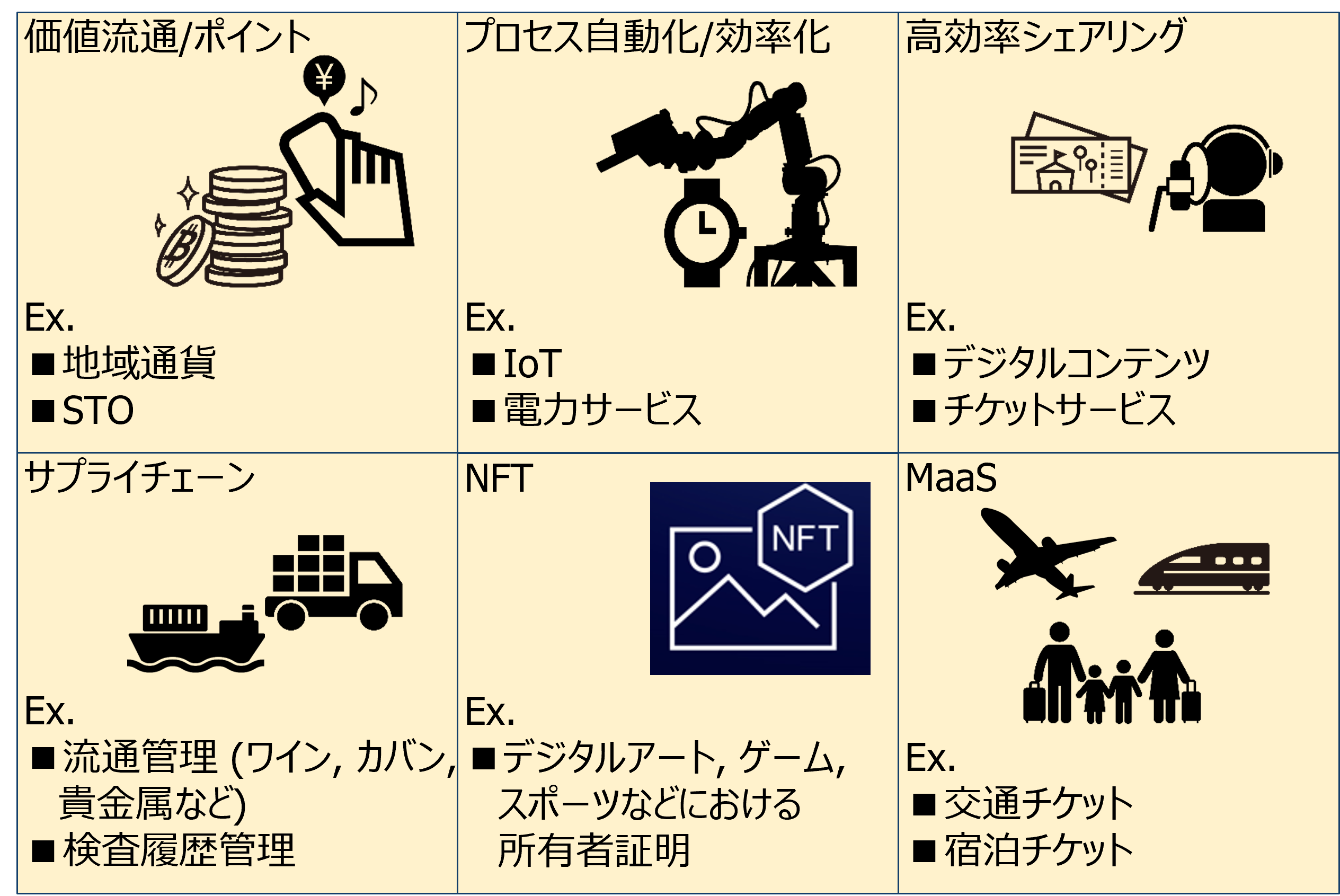
Below are some of the most common blockchain business models and their practical applications.
#1. P2P blockchain business model
P2P blockchain business models refer to businesses that leverage a peer-to-peer model that allows end users to interact with each other. The P2P model is a fundamental principle of almost all blockchain-based companies and is tokenized in a variety of ways, including transaction fees, tokens, and Baas.
This system is a hybrid of Business to Consumer (B2C) and Business to Business (B2B) models. This model allows companies to compete with each other using blockchain protocols and negotiate between DApps owners and consumers using smart contracts. This model introduces fractional ownership in place of payment when you repurchase a previously sold item but it is no longer available for any reason. Interplanetary File System (IPFS) and Filecoin are the primary platforms for this model.
# 2.Blockchain as a Service Business Model (BaaS)
The Blockchain as a Service (BaaS) business model provides advanced cybersecurity services on a monthly basis. Users can build, manage, and host their own blockchain apps without creating nodes. By paying a monthly subscription, blockchain users can access technical support, frequent updates, and enjoy working in a secure environment with advanced decentralization and encryption.
Popular examples of Baas include R3, a project that integrates banking institutions with Corda, the Microsoft and ConsenSys partnership, and PayStand, to name just a few. Implementing an independent blockchain is a difficult challenge for many enterprises, so BaaS platforms take on the difficult tasks of resource allocation, bandwidth management, and implementing cybersecurity.
#3.Token Economy – Utility Token Business Model
Utility token business models create a token-based economy that allows service providers to better serve their customers. They accomplish this using blockchain utility tokens that allow clients to benefit from revenue sharing and bonuses derived from peer-to-peer transaction-based payments.
The system facilitates monetization by introducing an app that enables smart contract opportunities in transactions using custom software-driven programs available in decentralized browsers. This model uses a smart contract system to distribute revenue between the client and the provider.
Companies running this model, also known as tokenomics , hold some utility tokens and release the rest to facilitate network functionality. Companies make profits whenever the value of their utility tokens increases. Users who purchase tokens are entitled to become investors or active members of the market where they can purchase goods and services.
Obtaining a utility token allows users to use their token to access services and features of other users. You can also use your tokens to vote on new issues on the network, reward your peers on the network, and exchange them for cryptocurrencies such as Bitcoin.
# 4.Blockchain-based software products
This blockchain business model aims to create blockchain use cases related to a variety of existing products and services. This model aims to explore and improve a variety of products and services, including intellectual property, physical goods, or anything else not yet disrupted by technology.
Companies achieve the aforementioned goals by purchasing blockchain solutions and integrating them into their systems. The blockchain startups that emerge offer solutions that can later be sold to larger organizations. Best of all, system developers are almost always paid upfront when they provide user support after deployment. All this proves that there is still a lot of potential that blockchain technology has yet to offer to various industries.
The blockchain-based software solutions market still has great potential as companies are reluctant to go all out to acquire in-house blockchain talent. Most companies are willing to pay for an off-the-shelf blockchain solution as long as it meets their specific requirements. The blockchain startups that offer this model specialize in creating solutions that solve problems experienced by large industries, and are also working to support their implementation.
#5.Development platform
Blockchain startups that create DApps on platforms like Ethereum are usually discouraged by the initial investment they have to make, which deters most prospective investors. As a result, startups like Monolith are now looking for alternative platforms where developers can build apps without worrying about price fluctuations impacting their development.
Such models aim to ensure that startups don’t have to invest the limited cash they earn into building hardware, software, or even a team. Instead, small businesses will be able to provide services directly to businesses that have already built the basic infrastructure.
As a result, talented small players can find easy ways to express their skills without burning a hole in their wallets or lacking sufficient initial resources. This model utilizes various forms of professional blockchain services, such as auditing, consulting, and legal framework development for blockchain-related services.
Successful blockchain business model use cases
If you want to know, here are companies that have successfully implemented blockchain business models.
- Cryptocurrency exchange: Probably the most famous and successful exchange of all time. As soon as cryptocurrencies became popular, crypto exchanges sprang up and people needed an easy way to exchange paper money for digital cash and vice versa. Exchanges are an integral part of the cryptocurrency ecosystem and provide significant benefits to their owners.
- Blockchain hardware: There is a whole new niche of companies that manufacture specialized equipment used to process or mine blockchain blocks. The chips they produce are up to 100 times faster than regular CPUs and generate POW hashes that provide huge profits for crypto miners.
- Gambling: Gambling is a significant part of the Bitcoin economy, allowing users to place bets using the cryptocurrency in search of opportunities to earn more income.
- Games: Blockchain-based play-to-earn games are revolutionizing the gaming industry and are gaining huge appeal across the cryptocurrency world. Players derive value from the currencies they earn within various platforms. Every game has its own model, but most games have native tokens used for transactions and in-game purchases, most of which can be redeemed for real cash.
parting shot
Whether it’s fintech, banking, real estate, or any business you can name, blockchain business models have tangible benefits that any business can enjoy. Thankfully, the value derived from this business model accrues to both the business owner and the end user.
Business owners can profit by attracting investors and receiving payments from all over the world, while eliminating intermediaries and other security investments that unnecessarily increase the cost of goods and services. .
On the other hand, users can have peace of mind that their personal data is safe and secure and can rely on trusted contracts powered by self-executing smart contracts. The blockchain market may still be in its infancy, but it continues to show tremendous potential that is still being unraveled.
It’s no secret that blockchain holds the answers to most of our problems, whether it’s cybersecurity or international payments. There is much yet to be discovered, but it will only make sense if business owners and consumers adopt blockchain business models.


![How to set up a Raspberry Pi web server in 2021 [Guide]](https://i0.wp.com/pcmanabu.com/wp-content/uploads/2019/10/web-server-02-309x198.png?w=1200&resize=1200,0&ssl=1)


