Analytics has become important as data becomes increasingly complex and difficult to understand and interpret.
Augmented analytics is a tool that uses machine learning and artificial intelligence to help businesses and users easily understand their data. This article provides a detailed explanation of what augmented analytics is.
The importance of understanding data in business

Data for your business is a collection of facts or statistics, such as raw analytics data, customer feedback data, and sales numbers. Data collection and analysis is an essential part of business for a variety of reasons.
Here’s why understanding your data is important for your business.
- Understanding data helps businesses make better decisions when it comes to finding new customers, increasing sales, improving customer service, and more.
- Tracking and reviewing data helps companies troubleshoot problems and uncover performance issues.
- Data helps business leaders make the most accurate market predictions using real-time intelligence.
- In addition to increasing sales and profits, data can also help businesses improve cash flow and manage their finances more efficiently.
- Data helps teams and employees save money and time, increase productivity, and improve business processes.
What is Augmented Analytics?
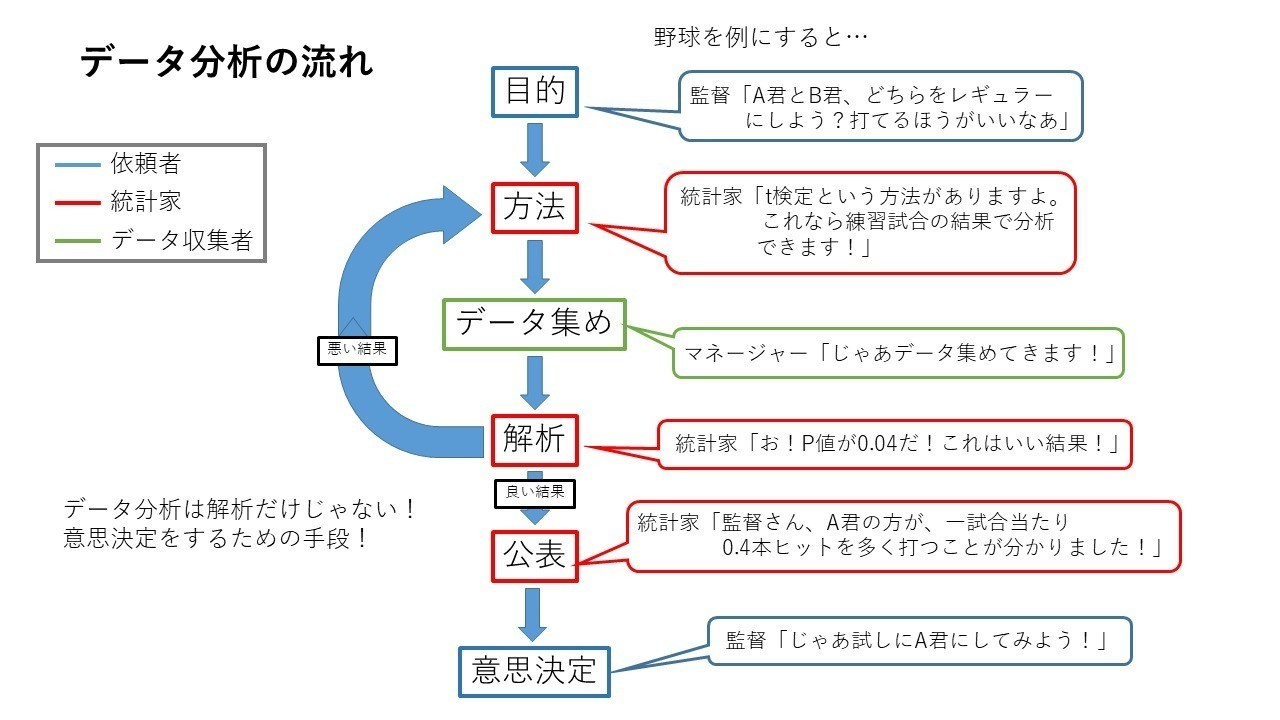
Augmented analytics powered by artificial intelligence (AI) and machine learning (ML) helps users prepare data, generate insights, and explain insights. Augmented analytics helps businesses and analytics work with data faster, more accurately, and more efficiently.
Augmented Analytics is for business users and executives who can gain insight and value from their data without having strong technical skills. This technology helps users quickly find and analyze relevant data to uncover business insights.
Let’s take a look at some of its important features.
- Augmented analytics helps read data in multiple formats such as PDF, text documents, and automatically identifies data.
- Provide statistical analysis that yields specific results and insights into your data.
- This allows users to prepare data faster and more accurately, minimizing manual effort.
- It helps provide users with the best AI-powered recommendations for data preparation, discovery, analysis, and more.
- Enables natural language interaction, allowing users to enter data queries in a simple language rather than code or data query language.
Advanced analysis component
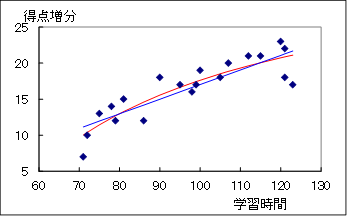
There are three important components to augmented analysis.
Machine Learning (ML) – Machine learning is a field of artificial intelligence that uses algorithms and historical data to more accurately predict outcomes. ML helps companies gain valuable insights from customer behavior and business operating patterns. Use statistical methods to make predictions and classifications.
Natural Language Technology (NLP) – NLP is another branch of artificial intelligence that allows computers to understand human language (text and spoken words). This allows computers to respond to verbal commands, translate languages, and summarize text in real time.
Automation – Machine learning technologies automate data analysis tasks and reduce the time it takes to build, train, and deploy ML models.
How can integrating augmented analytics help your business grow?
Integrating augmented analytics can be transformative, especially for large industries such as manufacturing, pharmaceuticals, retail, healthcare, and CPG. This helps businesses increase revenue, increase customer retention, customer satisfaction, cash flow, and more. Businesses can become more agile, support business processes, and make better decisions.
Benefits of augmented analysis

Maximize productivity
Augmented analytics helps improve human productivity by automating time-consuming and repetitive manual tasks. AI can be very useful in saving time and money and expanding tasks that don’t require much intelligence.
provide greater value
Business solution development and decision-making processes require human intelligence, but can be iterative and time-consuming. Augmented analytics allows you to automate most processes, including data preparation and insight discovery. This allows businesses to deliver more value faster.
improved analysis
Augmented analytics makes analytics accessible to all users, regardless of their analytical skills. Increase productivity by providing analytics to users at all levels. With artificial intelligence facilitating augmented analytics, businesses can benefit from improved analytics and informed decision-making.
Improving the decision-making process
Augmented Analytics helps businesses make the most informed decisions through data analysis.
Increased efficiency and accuracy
Machine learning and artificial intelligence technologies perform repetitive tasks and calculations with precision. This technology automates tasks, helping businesses save time and energy and improve human productivity.
Make your organization agile
AI helps organizations by increasing the speed of insights and increasing organizational agility. It helps you trip through search areas, suggests relevant data, and recommends multiple analysis methods. Augmented analytics allows you to track user behavior and recommend subsequent actions.
Traditional Analytics vs. Self-Service Analytics vs. Augmented Analytics
| Traditional analysis | Self-service analytics | extended analysis | |
| meaning | Traditional analytics uses complex IT environments, data warehousing, and IT staff to perform data analysis. | This is a type of business intelligence in which users run data queries and generate reports on their own using BI software and minimal IT support. | It allows users to understand and analyze data using machine learning and artificial intelligence technologies. |
| Skills/Expertise | Skills, training and expertise are required here. We rely heavily on our IT staff. | Business users require little training or expertise to perform data analysis and create and modify reports. | No prior skills or expertise are required to analyze data using Augmented Analytics. |
| resource | This type of analysis relies heavily on IT staff. | This type of analysis requires manual resources and BI tools. | It relies on augmented analytics technology. |
| IT setup | Traditional analytics requires ongoing involvement of IT and data experts. | Self-service analytics requires minimal IT involvement, primarily during initial setup. | Augmented analytics doesn’t require IT or data experts. |
| Type of data | Data must be structured before use. | Leverage data from a variety of formats and multiple resources. | Leverage data from a variety of formats and multiple resources. |
Augmented analysis challenges
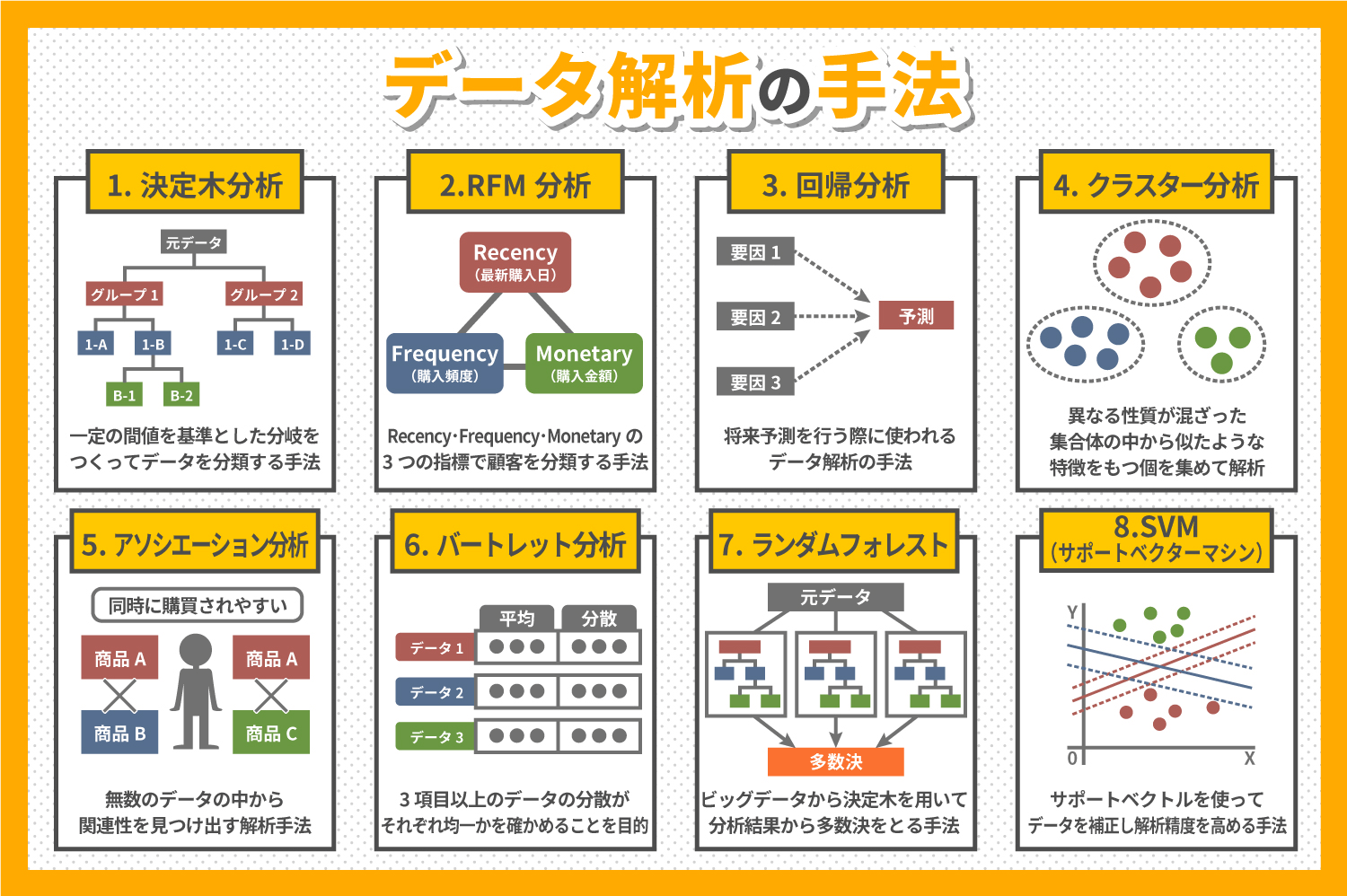
Although augmented analytics offers many significant benefits to businesses, it still faces some challenges. Some of them are shown below.
- Employees may fear that AI technology will replace them, not knowing that no matter how advanced it is, AI has its limits.
- For augmented analytics to perform as expected, humans must follow best practices and a course of action. It runs on trained programs and algorithms.
- Augmented analytics models need to be properly trained, which is time-consuming.
- The larger the data that needs to be analyzed, the more computing power the advanced analytics ML algorithms require.
Author’s note on extended analysis
Augmented analytics is still an emerging technology and there is a lot of room for future use and development. Businesses can take advantage of this technology through cutting-edge software that leverages artificial intelligence and machine learning. This is the technology of the future, and while only 10% of analysts are taking full advantage of it, according to Gartner, businesses can leverage augmented analytics for growth.
Before deciding whether to introduce augmented analytics to your business, ask yourself the following questions:
- Does your company have an analytics team?
- Do you have extensive data?
- Why do you need augmented analytics?
If you are clear about using augmented analytics, the next step is to follow best practices to reap the benefits of augmented analytics.
last word
Augmented analytics is a great help to any business that requires data analysis. Accurate and timely data is the driving force behind business growth. Augmented analytics combines human intelligence and AI to analyze data and gain valuable insights. Businesses around the world (from large enterprises to small businesses) are using this technology, so you too need to stay ahead of the competition.
You can also explore augmented intelligence.


![How to set up a Raspberry Pi web server in 2021 [Guide]](https://i0.wp.com/pcmanabu.com/wp-content/uploads/2019/10/web-server-02-309x198.png?w=1200&resize=1200,0&ssl=1)


