Find popular first-party data strategies you can use to drive data collection using websites, mobile apps, and other digital platforms here.
Online advertising and marketing relies heavily on user data from websites, mobile apps, online learning content, blogs, e-books, newsletters, and more. Currently, some user data collection and management agencies use cookies to collect consumer data.
But Apple’s iOS allows users to opt out of data tracking, and Google’s plan to stop supporting cookies in its Chrome browser by 2023 means cookie-based data collection will end. .
Before this happens, you need to move your user data collection strategy to a first-party basis. But how do you develop such a strategy? Well, that’s what I’ll answer below in this concise and easy-to-understand first-party data strategy guide.
What is first-party data?

First-party data means users share their information directly with your business. When someone shares their email address to receive a newsletter or receive a discount, that is called first-party data. Here, data exchange took place directly with user consent.
Using deep links to download apps or visit websites is also considered first-party data.
Companies use this data to understand their audience of consumers and target advertising and marketing.
First party data, second party data and third party data
There are some fundamental differences between first-party, second-party, and third-party data. First-party data is information that you collect directly from your audience through interactions with your website, app, marketing emails, etc. Because user consent is obtained, privacy issues are minimized and value is increased.
Second-party data, on the other hand, is collected by another, non-competitive and trusted company before being shared or sold to your company. Third-party data refers to information or data sets that are collected from multiple external resources before being shared with the Company. In this case, you need to be careful about user consent.
Popular first-party data strategies
You need to create a first-party data strategy for your company. This should include a plan to collect and utilize first-party data collected directly from viewers who have given their explicit consent through their own channels. Here are some strategies you can use to collect and monetize your first-party data.
Single sign-on (Google/Facebook sign-in)
Single sign-on (SSO) is a process that provides a win-win situation for both businesses and customers. This allows interested users to sign in to your website using their Google or Facebook account. This saves users the hassle of filling out long forms to register on your website.
Instead, you can quickly log in using your email address or Facebook account. Additionally, you will be able to access a user’s first-party data without inconveniencing them.
Event-based tracking
If you want to collect detailed behavioral data about your customers, event-based tracking is a great way to start collecting first-party data. This process collects data about your audience based on clicks, purchases, cart creations, etc.
A variety of analysis tools are available to make event-based tracking simple and easy. Businesses can easily implement these tools for event tracking and collect first-party data for their systems.
Surveys and polls

Everyone loves taking part in surveys and polls on topics that interest them. You can use these techniques to collect first-party data from your customers. If you make beauty products, you can ask your audience to take a survey about their skin concerns and whether they would like the ingredients in your beauty products.
In addition to helping you collect user data, it helps you better understand user choices and allows you to segment users based on their concerns.
Share content
When users share the engaging content you post (blogs, photos, podcasts, videos), you expose your brand or company to new audiences. You can now create viral content for your social channels and encourage users to share it on their accounts and channels.
A solid content strategy will ensure that your content is shared with others and you can collect more data about user interactions.
Custom reviews and feedback
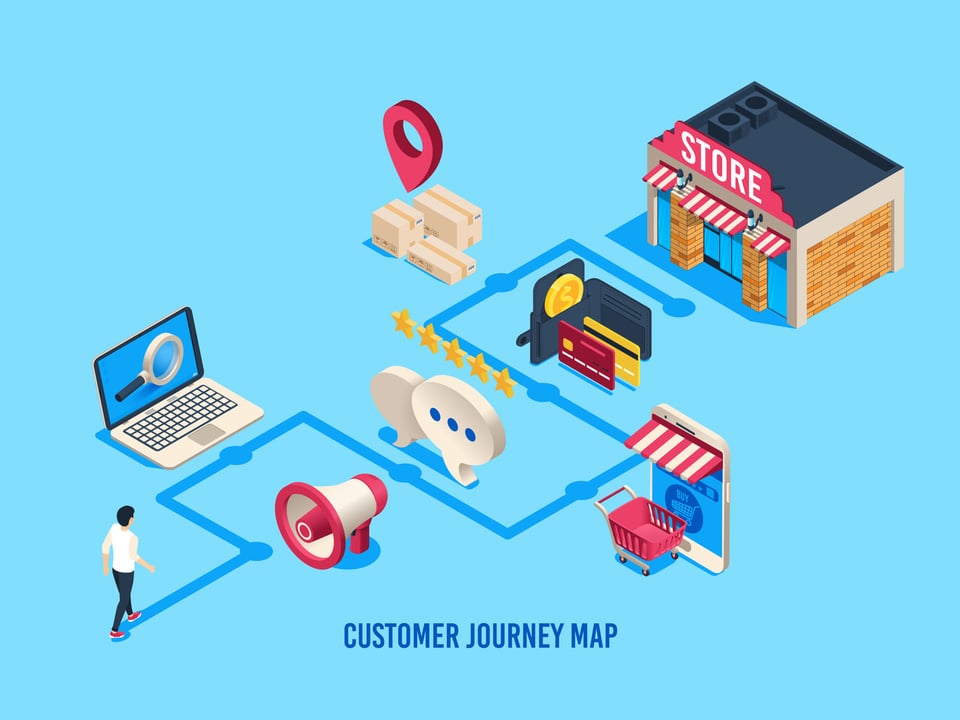
As a business, you should always ask your customers to share reviews and feedback about your company on your website and social media. Sharing feedback makes it easy to link them to your company’s customer base.
Apart from collecting first-party data, this process helps you discover shortcomings in the products and services you offer. Therefore, you can use reviews to optimize your future and existing products accordingly.
Registration of user products and warranty services
Did you know that you can collect first-party data from your customers by offering warranties on your products and allowing them to register the products they purchase? That’s right!
These are an effective way to connect with new customers and, of course, collect first-party data from them. You can always attach a QR code to your product or its packaging for easy access to your database.
User profiling
This method goes beyond gathering basic contact information about customers and attempts to gather more detailed information such as age, location, organization, industry, occupation, and company size.
The purpose of user profiling is to gather insights useful for marketing and promotion. However, you should try to access additional information slowly rather than requesting too much information at the beginning.

One of the most attractive ways to collect first-party data, such as email addresses, is to offer something useful in exchange, such as an e-book or newsletter. However, collecting data does not end your responsibility.
To prevent them from marking your email address as spam, you should allow them to download an informative e-book or informative newsletter. At this stage, you can also perform customer segmentation by researching which customers have opted to receive newsletters on different topics.
Use lead generation campaigns

Lead generation campaigns are a convenient way to collect first-party data with customer consent. You can add pop-up lead generation forms to your website. These days, LinkedIn and Facebook have also become important sources for collecting first-party data through lead generation ads and promotions.
Best practices for first-party data collection
To properly utilize first-party data and comply with data privacy standards, companies should ensure they follow the following best practices:
#1. Creating a consent management strategy
First-party data collection means you are solely responsible for data consent. Therefore, you need to have the right consent management strategy in place for your business.
This helps ensure compliance with all existing consumer data privacy regulations and helps you manage consent, which is becoming more complex by the day.
#2. Choosing a data management platform
Once you collect customer data, how do you store and manage it? You need to take the help of a reliable and powerful customer data platform. These platforms keep customer data safe and make it easily accessible to marketing and sales teams. Therefore, your duty is to choose a data management platform that can efficiently manage your first-party data to improve your ROI.
#3. Guaranteed cross-channel activation
Armed with the right strategy and a proficient data management platform, you should be able to categorize, analyze, model, and make customer data available across channels. For example, both social media and email marketing teams may need access to first-party data for various reasons. Both growth-focused teams can be empowered to help increase revenue through effective customer data liberation.
#4. Align business goals with customer goals
One of the major shortcomings in a company’s data collection strategy is not having a plan to coordinate what data is collected and how it is used. This problem can be solved by ensuring that customer goals are in sync with business goals. To do this, you need to set measurable goals to collect relevant data to achieve your goals.
#5. Deliver value by creating transparent data usage policies
When you collect data from your users and potential customers, they need to know how you’re using their data. To increase transparency, you need to demonstrate that you act responsibly with your data. You can also offer exclusive offers and loyalty programs to make them more interested in sharing your information. A strong data governance policy is also required.
summary
First-party data collection helps you continue your marketing and advertising strategies even after third-party data collection ends. However, don’t wait until the last moment to create an affordable, robust, and efficient user data collection system using online properties. Instead, act now by following the first-party data strategy outlined here.
Now that you’ve collected tons of user data for targeted advertising and marketing, put it to good use with these best customer data platforms.


![How to set up a Raspberry Pi web server in 2021 [Guide]](https://i0.wp.com/pcmanabu.com/wp-content/uploads/2019/10/web-server-02-309x198.png?w=1200&resize=1200,0&ssl=1)


