Let’s take a look at what network security is and how to learn it.
Why network security?
Most organizations today rely heavily on computer networks to share information in an efficient and productive manner within a defined network. Computer networks in modern organizations are very large, assuming each staff member has a dedicated workstation. Large companies have thousands of workstations and servers on their networks.
These workstations may not be centrally managed or may have appropriate protection parameters set. Organizations may have different operating systems, hardware, software, and protocols with varying levels of cyber awareness among their users.
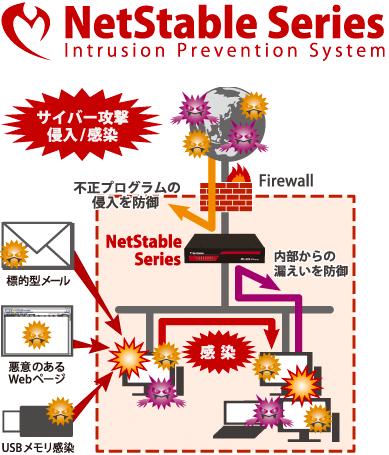
Imagine those thousands of workstations on your corporate network connected directly to the Internet. This type of insecure network is a target for attacks that hold sensitive information and valuable data. Network security can help solve these problems.
What is network security?
Network security consists of the policies and practices employed to prevent and monitor unauthorized access, modification, abuse, or denial of computer networks and access network resources.
Authorization for data access within a network is handled by network security, which is controlled by a network administrator or network security engineer.
Network security also covers transactions and communications between businesses, government agencies, and individuals. Networks can be private, such as within a company, or open to public access, and security concerns both layers.
It not only protects your network, but also protects and monitors the operations that take place on your network.
Below are some of the different types of network security.
- firewall
- email security
- Anti-virus/anti-malware
- Network segmentation
- access control
- Application security
- Data loss prevention
- Intrusion prevention detection
- wireless security
- web security
- VPN
- wireless security
Network security in the cloud era
Previously, organizations stored data on-premises. It used to have its own storage facility. The majority of organizations are now moving to the cloud.
Cloud computing is transforming the way business is done, making IT more efficient and cost effective. But it also exposes businesses to new types of cyber threats. If hackers gain access to your network through the cloud, they can cause significant damage to your organization.
It’s a growing threat. The risk of hackers stealing data has also increased dramatically.
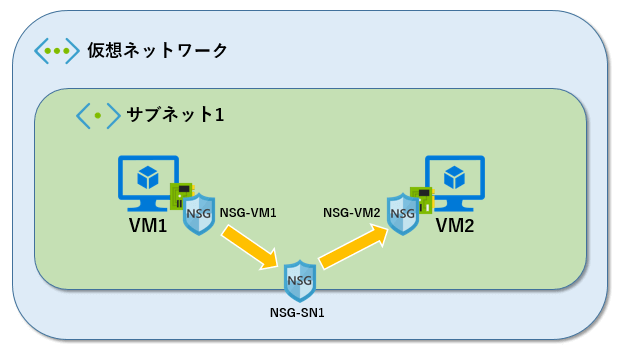
Therefore, cloud security is very important, and network security is also a part of it.
What kind of work does a network security engineer do?
As you can imagine, network security engineers play a very important role within an organization. Plan and implement programs and other measures, including installing software such as data encryption, firewalls, and VPNs.
Additionally, they are responsible for designing and implementing plans for how to recover data and systems following a cyber attack. Stay aware of the latest trends in cyber threats and network technology to prevent them.
Is it worth learning?
In the United States, the average annual salary for a network security engineer is $115,000.
This salary varies depending on years of experience. Consider an example where you have 10 years of IT experience. That way, you could earn more than $150,000 a year. Learn about salaries on Glassdoor.
Where can I learn network security?
There are many online resources where you can learn about network security at any time. Fortunately, it doesn’t cost a lot of money.
Fundamentals of Cyber Security
A specialized program to learn the basics, become familiar with various tools, and understand cloud security concepts. This course is offered by IBM on Coursera.

Coursera is an online learning marketplace, so you can explore more courses and take the one that’s right for you. If you already understand the basics, you may want to try this network security and database vulnerability program.
complete cyber security
This course is a good combination of practical courses in network security. It’s available on Udemy and aims to teach you everything you need to know as a cybersecurity specialist with a solid understanding of network security.
Udemy is a marketplace similar to Coursera. There are also many other network security courses available.

Udemy courses are accessible from any device, including mobile, so you can study on the go.
edX
edX is extremely popular and offers online courses from over 140 institutions, including Harvard University, MIT, and New York University. As of this writing, there are six relevant courses.
Please choose the most appropriate one.
network penetration testing
How to learn network penetration testing for free for beginners.
In this video we talk about many things including:
- Passive OSINT
- scan tool
- enumeration
- exploitation
- shell
- credential stuffing
- Building an AD Lab
- LLMNR addiction
- NTLMv2 crack with Hashcat
- NTLM relay
- Token spoofing
- pass the hash
- PsExec
freeCodeCamp is a popular non-profit YouTube channel for engineers with over 2 million subscribers. This is an open source community with many free resources.
CBT Nugget
The CBT Nuggets YouTube channel is full of free videos. Their videos are informative, meaningful, and engaging. There are two recommended playlists.
Networking overview
Cyber security overview
defensive security
Do you like books?
The Defensive Security Handbook is one of the highly recommended books on network security. This book provides step-by-step instructions for addressing specific issues such as network infrastructure and password management, breaches and disasters, compliance, and vulnerability scanning.
CompTIA Network +
CompTIA Network+ by Mike Meyers is one of the core books that will help you learn network security from the inside out and pass the CompTIA Network+ exam on your first try.
This book includes clear instructions and real-world examples with hundreds of exercises created by best-selling author Mike Myers and several training experts.
Cisco Blog
If you like reading blogs, there are many CISCO security blogs . Many influencers and security experts share their knowledge so you can always keep it up to date.
Cybrary
Cybrary is an online training and career development portal for cybersecurity. You can start with the two courses below.
Cyber Network Security – Covers core knowledge, required network applications, network design, protection components, firewalls, and more.
Network Security – For beginners, covering the basics of TCP/IP, port scanning, sniffing, firewalls, honeypots, network design, and more.
CCNP
Cisco CCNP ENCOR (350-401) : 2 Network Management, Security, and Automation by Kevin Wallace is one of the popular network security courses offered on LinkedIn Learning.
Cyber security certification
This course is offered by Edureka. We offer live instructor-led training and 24/7 technical support.

Cybersecurity certification courses can help you establish a strong foundation for your efforts in the cybersecurity field. The modules covered in this course are:
- security essentials
- encryption
- computer networks and security
- Application security
- Data and endpoint security
- Identity and access management
- cloud security
- Cyber connectivity phase
- security process
CISSP
The Certified Information Systems Security Professional ( CISSP ) certification course offered by Simplilearn covers all areas of IT security so you can become a strong information security professional.
You are expected to learn:
- Security and risk management
- Asset security
- Security operations and engineering
- security test
- Network Security(&Web)
- software development security
conclusion
Network security skills can be learned on demand, so learning can help you upgrade your skills and earn a better salary. In addition to the above, see also Stanford ‘s Web Security and EC Council ‘s Network Defender.


![How to set up a Raspberry Pi web server in 2021 [Guide]](https://i0.wp.com/pcmanabu.com/wp-content/uploads/2019/10/web-server-02-309x198.png?w=1200&resize=1200,0&ssl=1)


