Edge AI takes IoT and edge computing to the next level.
Edge AI has become a highly sought-after technology as the industry strives to improve automation, efficiency, and safety. From farming to driving to medicine, you can make a positive difference and open the door to thousands of new possibilities.
Edge AI enables applications to recognize patterns and safely perform repetitive tasks. If you want to know more about this trending technology, keep reading.
What is Edge AI?
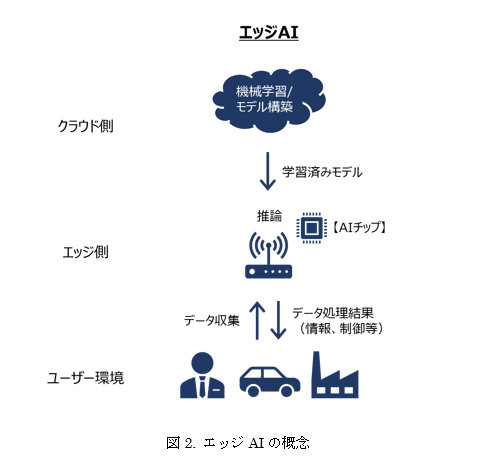
Edge AI is a technology that includes edge computing and artificial intelligence. Therefore, this concept relies heavily on edge computing. This includes deploying AI applications to edge devices so that artificial intelligence can function at the edge of the network.
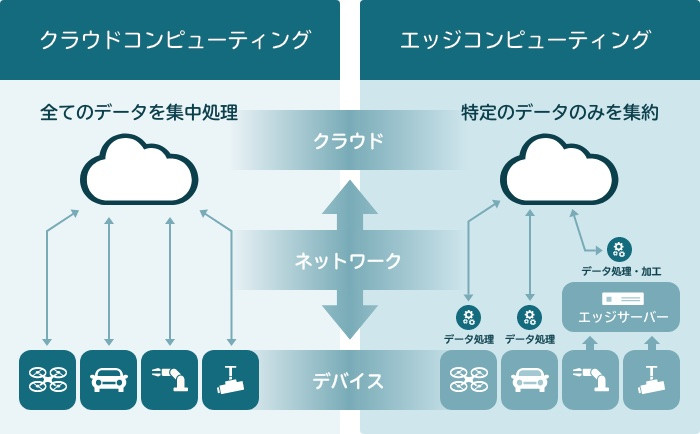
With the help of the Internet, you can literally put an edge anywhere. These include traffic lights, retail stores, hospitals, and telephones. Regardless of location, edge AI can perform autonomous computing and share data with other IoT devices. So basically it works locally and makes decisions without moving data to the cloud or remote servers.
How does edge AI work?
Suppose a machine needs to function like a human and perform tasks such as identifying objects, speaking in natural language, driving a car, and understanding speech. In that case, we need to replicate human intelligence.
Here, AI uses a data structure, Deep Neural Network (DNN), to recreate human cognition. These networks are trained through thousands of questions and their correct answers on a particular topic. So they will be able to answer those kinds of questions.
These models can be run directly at the edge of a given network on Edge AI. Edges are typically located close to the systems where data is generated.
These can collect and process data on a device while monitoring its operation at the same time. Thus, the device can fix problems, make decisions, and make predictions.
Edge AI benefits
Real-time data processing
The network edge is where sensors and IoT devices are located. The biggest benefit of this technology is the ability to perform high-performance computing at the edge. Using this technology, AI applications run DL and ML algorithms to instantly process field data.
Privacy and security
Most edge AI operations are performed on edge devices, so less data is sent to external locations. This means your data is less likely to be misused and your privacy is maintained. Even if data needs to be sent to the cloud, all redundant and unnecessary data is skipped from the process.
Reduce bandwidth and cloud costs
Consistent with the previous point, Edge AI also uses less internet bandwidth because less data is sent to the cloud. Therefore, expenses related to cloud services and bandwidth are reduced.
Reduce power consumption
Devices running edge AI are typically very efficient in terms of power consumption. As a result, they require less power compared to devices that use cloud data centers for data processing and analysis.
Scalability and versatility
More and more companies are making their devices compatible with edge technologies, so they can easily scale up as needed.
Disadvantages of edge AI
- Although edge AI is secure compared to cloud computing, it can still face security issues due to human error and insecure applications at the local level.
- If an edge AI system accidentally deletes relevant data or uses inefficient algorithms, the analysis becomes flawed.
- Without the full computing power of cloud AI, these devices can only perform a limited number of tasks.
- If a device is not compatible with edge AI, there will always be failures and failures.
Edge AI use cases
#1.Industrial IoT
Edge AI can be used to inspect product quality through AI algorithms. Therefore, there is no need to carry out manual inspections in the production chain.
#2.Home security
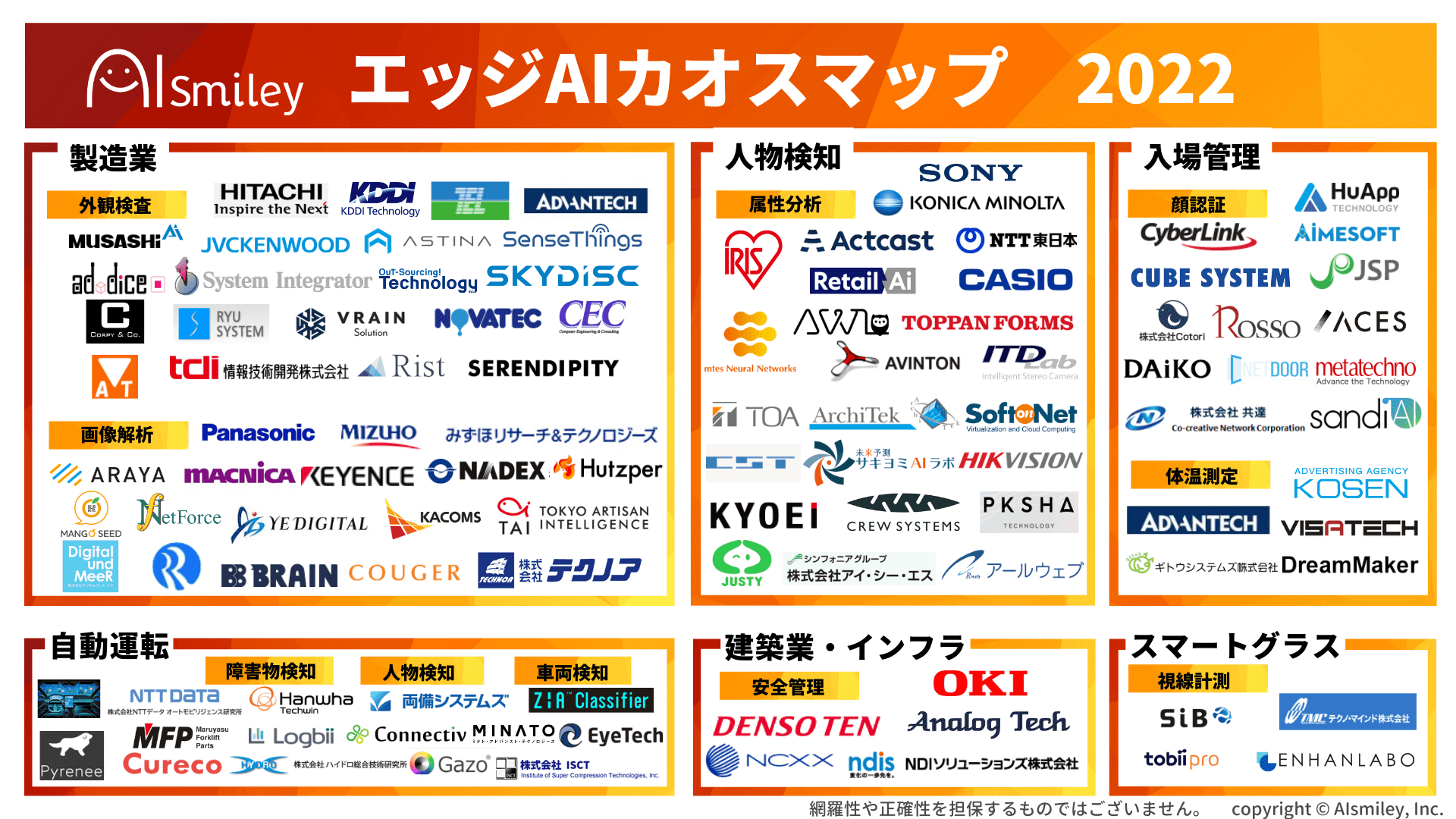
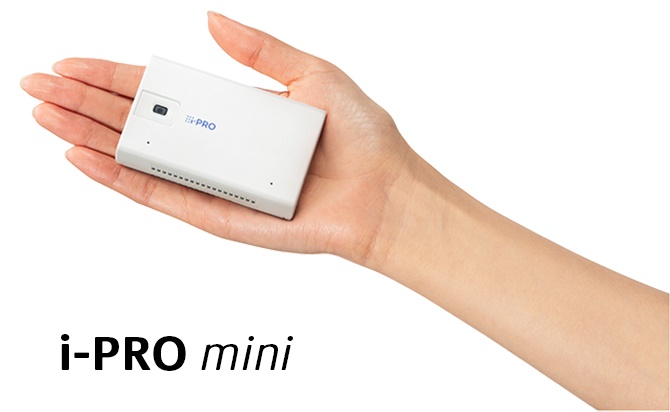
Edge AI is becoming increasingly popular in home and office security. Compared to traditional cameras, devices equipped with edge AI can detect suspicious people and activities in real-time. As a result, users receive low-cost and efficient services.
#3.Manufacturing industry
In this industry, edge AI devices and sensors collect rapid data and instantly analyze it. Manufacturers can therefore monitor and control their assets and implement the necessary maintenance protocols.
#4.Retail
Edge AI can improve the customer experience with voice commands and voice ordering. All you need is a smart speaker or smartphone to search for products and order online with voice ordering.
# 5.Energy
Oil and gas plants, typically located in remote locations, use edge AI for real-time analysis and information processing. Its ability to work offline makes it ideal for sites that don’t have a strong internet connection.
#6.Health management
The use of edge AI technology in healthcare is for patient monitoring. Edge AI applications process data from surveillance devices locally. Therefore, hospitals can understand the patient’s condition in real time.
Business benefits of edge AI
- Edge AI brings more power and efficiency to business processes.
- The necessary data can be provided in real time without any delay.
- Edge AI also has lower network and bandwidth costs compared to cloud AI.
- The AI models used in this technology are constantly being improved to meet industry needs.
- Being a decentralized and offline technology, it offers higher availability and reliability.
- Supports data privacy by storing data locally and uploading only analytics to the cloud.
Edge AI vs. Cloud AI: The Difference
force
Edge AI devices have lower computational power compared to cloud AI. Cloud AI is ideal when large amounts of data processing is required.
internet bandwidth
Edge AI processes most data on edge devices. Therefore, it requires less bandwidth than cloud AI, which sends all data to cloud servers.
latency
Edge AI is suitable for applications that require fast real-time inference. For cloud AI, data transfer delays can cause problems.
safety
While edge AI can maintain data privacy and security, cloud AI is prone to data integrity and cyber-attacks.
Edge AI learning resources
#1.Edge AI: Combining edge computing and artificial intelligence
This book explains the benefits of implementing edge computing and AI together. Here, apart from edge intelligence and intelligent edge, we will introduce its implementation method and technology.
| preview | product | evaluation | price | |
|---|---|---|---|---|
 | Edge AI: The convergence of edge computing and artificial intelligence | $154.37 | Buy on Amazon |
It also helps you understand AI inference, AI training, edge applications, and future trends in this subject that will shape the future.
#2. AI at the Edge: Solve real-world problems with embedded machine learning
If you want to become an expert in AI and ML for edge devices, this book is for you. After reading this, you will understand which projects are best suited to solve using edge AI.
| preview | product | evaluation | price | |
|---|---|---|---|---|
 | AI at the Edge: Solving real-world problems with embedded machine learning | $38.81 | Buy on Amazon |
This book not only explores edge AI app design patterns, but also covers AI system development workflows.
#3. Applied Edge AI: Concepts, Platforms, and Industry Use Cases
This book describes Edge AI concepts, platforms, and use cases. From there, you can learn about the technologies, systems, processes, patterns, applications, and practices associated with this concept.
| preview | product | evaluation | price | |
|---|---|---|---|---|
 | Applied Edge AI: Concepts, Platforms, and Industry Use Cases | $130.00 | Buy on Amazon |
Additionally, this resource highlights AI toolkits, algorithms, chips, and platforms that can be used for edge intelligence.
#4. Edge intelligence in development: optimization, deep learning, and applications
This book will train you how to incorporate AI into edge networks so you can take full advantage of the potential of IoT and big data through edge AI or edge intelligence. This is a summary of research on edge AI.
| preview | product | evaluation | price | |
|---|---|---|---|---|
 | Building Edge Intelligence: Optimization, Deep Learning, and Applications (General Lecture… | $63.98 | Buy on Amazon |
This resource provides an overview of architectures, frameworks, and upcoming technologies used for the network edge. Additionally, it includes a discussion of the applications, market, and future research opportunities for this topic.
conclusion
More and more companies are deploying edge AI for real-time insights, lower costs, and improved privacy. A firm understanding of this concept will help you rise to the challenge.
You can refer to this article as a guide to edge AI. Also includes Edge AI learning resources. Also read about edge computing and edge analytics.


![How to set up a Raspberry Pi web server in 2021 [Guide]](https://i0.wp.com/pcmanabu.com/wp-content/uploads/2019/10/web-server-02-309x198.png?w=1200&resize=1200,0&ssl=1)


