“The only constant in life is change.” – Heraclitus
Voice technology has become the most disruptive force to hit the world since the Internet became a visual medium. Today, more than 20% of all searches are voice-driven. According to BrightEdge , by 2020, more than 50% of consumers will use voice-activated technology every day.
When we think of voice, we can’t help but think of Microsoft’s Cortana, Amazon Alexa, Google Assistant, Apple’s Siri, and Samsung’s Bixby. These “intelligent assistants” create shopping lists and music playlists for users, make reservations, keep personal diaries, and switch the lights in their bedrooms.
Mark Zuckerberg is very excited about voice technology. A yet-unnamed Facebook Assistant is in development. And he personally tests “Jarvis AI” at home . Fun fact: Morgan Freeman is the voice of Zuckerberg’s Jarvis. That’s cool.
Imagine being as cool as Tony Stark in a few years? It won’t be long before that dream becomes a reality today. Thus, we can see that we have reached the post-mobile world.
But what’s going on with audio in the marketing world? Let’s take a look:
- Some brands are getting an early start in the voice space, building relationships with consumers through interactive experiences. [ Business 2 Community ]
- 24% of internet users prefer to use a personal assistant to interact with businesses rather than visit a website. [ Capgemini ]
- In 2017, 3.1% of marketers integrated voice search into their content marketing strategy. [ Bright Edge ]
- 43% of businesses have already invested in technology that enables voice marketing. [ DIGIDAY ]
The future certainly looks bright!
If you’re planning to implement voice technology in your marketing, here are four insights that may be of interest.
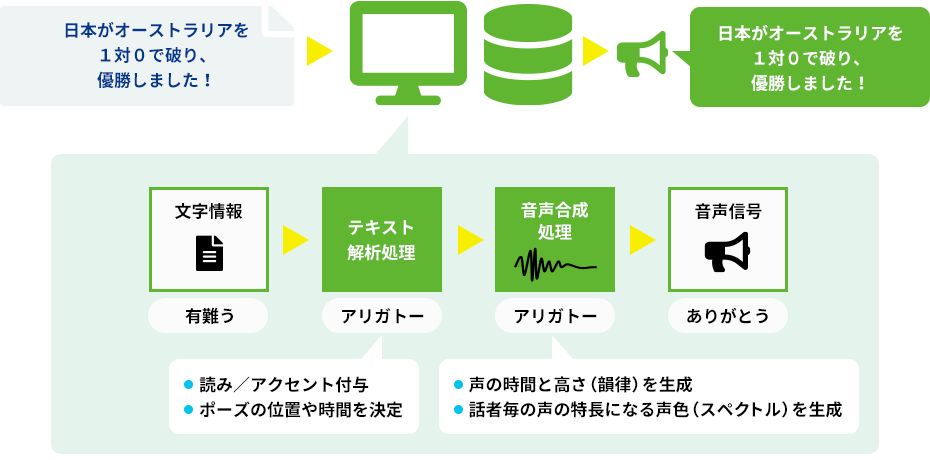
Shopping with digital assistants is a reality.
The Adobe Analytics report sheds light on digital shopping techniques, showing that while many smart speaker owners are not committed to placing orders on their devices, they are still making informed purchasing decisions (47%); Compare product prices (32%) or add items to shopping cart (43%).
Voice shopping is currently worth $2 billion and is expected to reach $40 billion by 2022. Global brands such as Domino’s Pizza, Johnnie Walker, and Nestlé are already incorporating voice technology into their marketing strategies to better connect with customers.
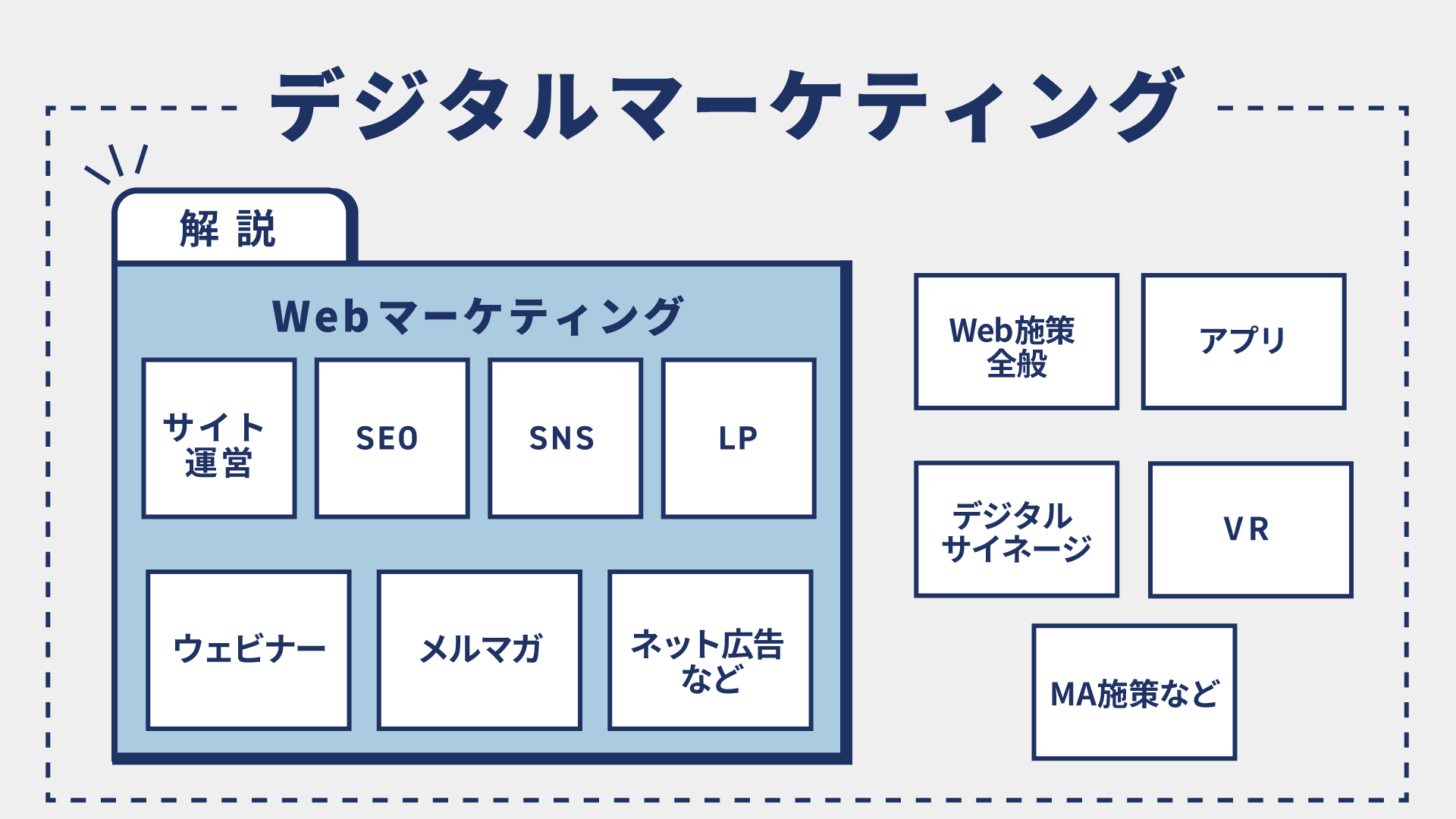
Take Johnnie Walker for example. The company is interested in using Alexa to personalize the shopping experience for its customers. Amazon’s virtual assistant first asks consumers about their preferences and then recommends Johnnie Walker products that are most suitable for them.
Voice-based commerce experiences are becoming popular.
Businesses are using digital assistants in-house.
Of course it is. Enterprising B2B brands like Salesforce are already giving digital assistants a say in the entire conversation. The cloud software company has launched Einstein Voice, an extension of the Einstein AI platform.
Digital assistants allow sales managers to interact with cloud services and dictate notes without touching a screen or typing anything. You can also integrate Einstein Voice with similar technologies to efficiently provide your team with pipeline updates, calendar events, and other important priorities.

Another exciting product from Salesforce called Einstein Voice Bots allows customers to build voice-activated assistants, brand them accordingly, and engage end users on any smart speaker.
Incorporating voice technology into marketing is not easy.
Your content marketing and editorial strategy should reflect how your company plans to leverage technology and how invested you are in technology from a content perspective. Before you take the plunge, ask yourself the following questions:
- Does your target customer consist of smart home enthusiasts, FOMO-driven early adopters, or other demographics of users who are more likely to engage via voice than other platforms?
- Can you use voice to make your content experience valuable to your target customers?
- What are the chances that my voice marketing efforts will be successful?
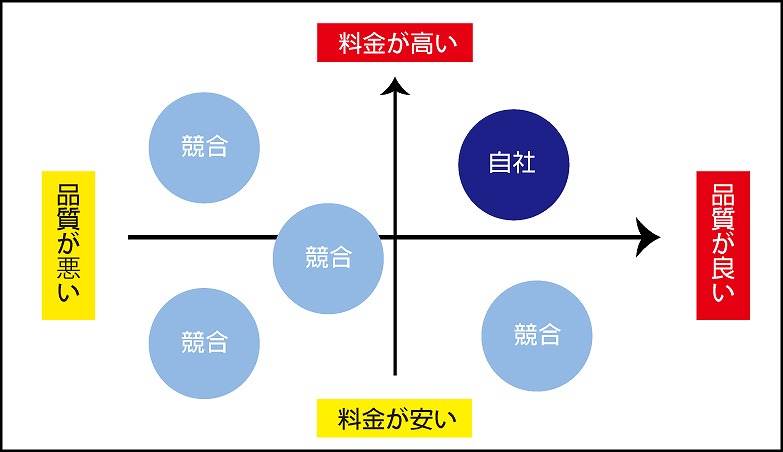
If you are not sure of either answer, it is best to wait to take advantage of this technology and not waste resources when you are not fully prepared. Research how other businesses and competitors are leveraging voice to create better customer experiences.
The voice revolution begins with “search.”
More than 1 billion voice searches are performed per month , and 40% of adults and 55% of teens use voice search every day . To attract consumers, content marketers should focus on short-form content products that provide users with quick and crisp answers.
When it comes to SEO, marketers need to be aware of SEO guidelines related to spoken word search behavior and information needs. Make your content appear as a featured snippet on Google. This will allow you to get Siri, Cortana, and more.
When focusing on voice search optimization, it’s important to remember that virtual assistants can only provide one search result per request. Rand Fishkin, founder of Moz, also noted the demand for traditional SERP results , and with the increase in search results, entered results will continue to grow.
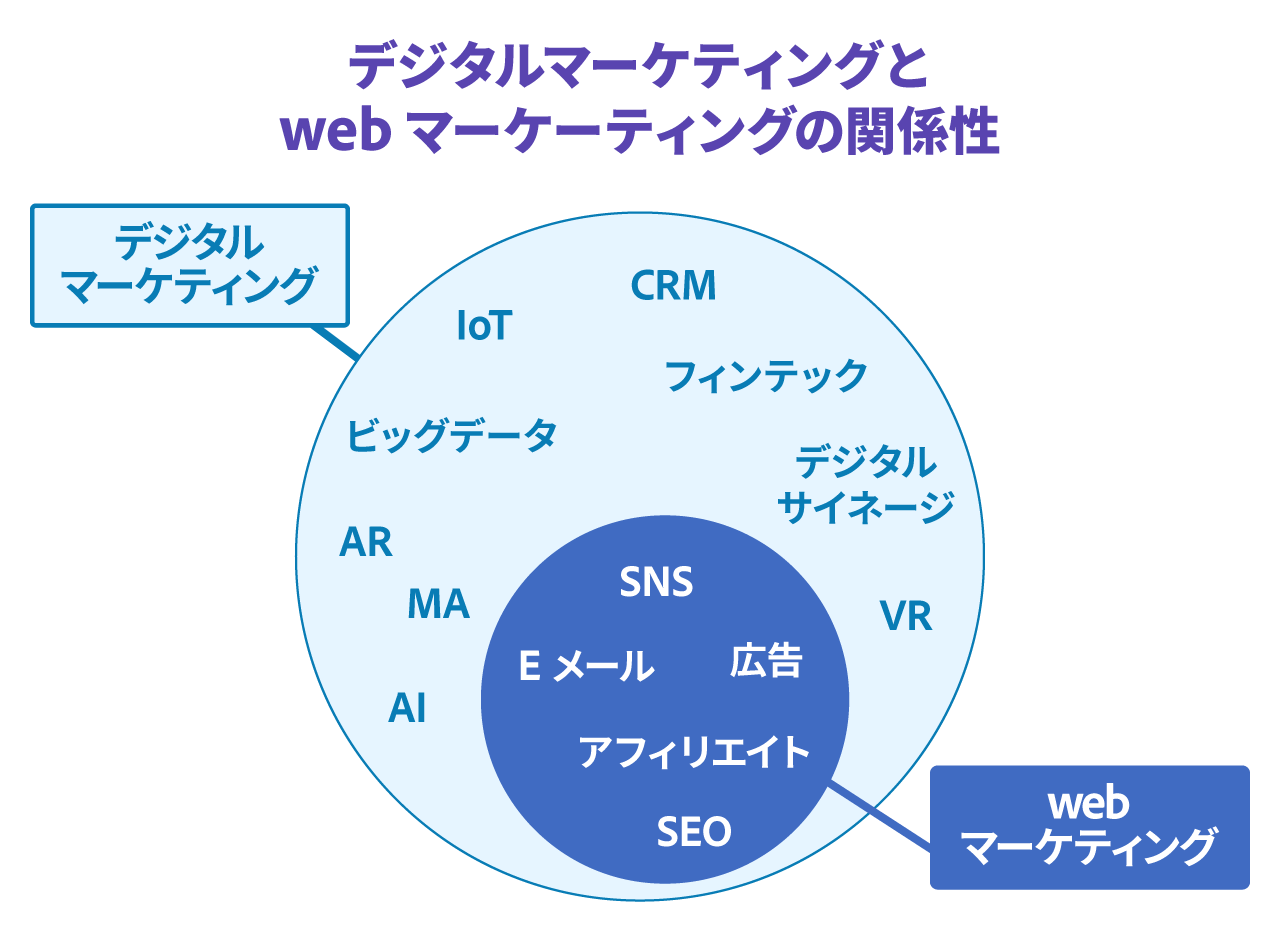
Our perception of SEO changes depending on how voice technology is used for marketing purposes.
summary
Please remember. Voice will soon become an additional interface for marketing purposes, coexisting with other media such as digital, print, television, and radio. This brings a whole new way of interacting with customers and adds high value to their lives. If you have a WordPress site, you might consider converting your articles into audio podcasts.
What do you think about voice technology?
Are we ready to make it a big part of our lives, both personally and professionally?


![How to set up a Raspberry Pi web server in 2021 [Guide]](https://i0.wp.com/pcmanabu.com/wp-content/uploads/2019/10/web-server-02-309x198.png?w=1200&resize=1200,0&ssl=1)


