Voice calling APIs allow businesses to automate customer calls and manage them programmatically with little or no human intervention.
Programmers can easily build scalable, high-quality voice applications on the cloud or embed voice functionality into existing applications and services. This technology is very useful as it allows you to design personalized voice solutions according to your specific business requirements.
Advantages of using voice call API
The best scenario where such an API would be really useful is in customer service and support management. These APIs allow you to send automated voice messages when your support lines are busy so your customers don’t have to wait forever.
Another area where this can be useful is marketing and communications. It helps businesses promote new products to their customers.
Businesses can do all this without becoming communications infrastructure experts. By focusing on your core business objectives, you can direct your resources to developing voice solutions that improve the client experience.
Here are some business applications where voice calling APIs can be very useful.
- Sales & Marketing
- customer service
- Update order
- Send reminder
- Conducting a survey
Key features of the voice API
#1. automated voice response
Make it easy for callers to reach their desired solution by providing interactive menus and options during voice calls. That way, most customers can find solutions through self-service. If not, you can be redirected to a real human support agent.
#2. call recording
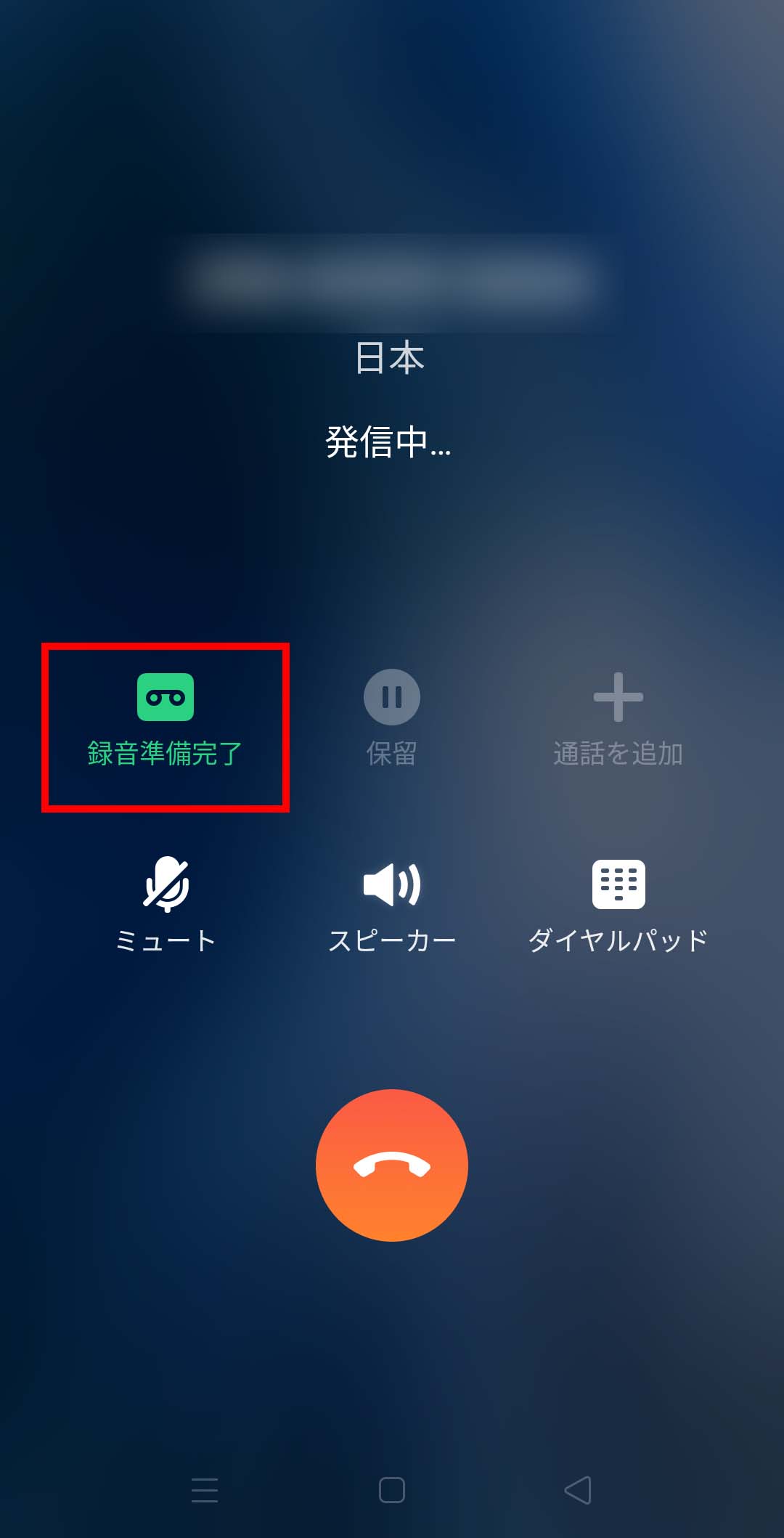
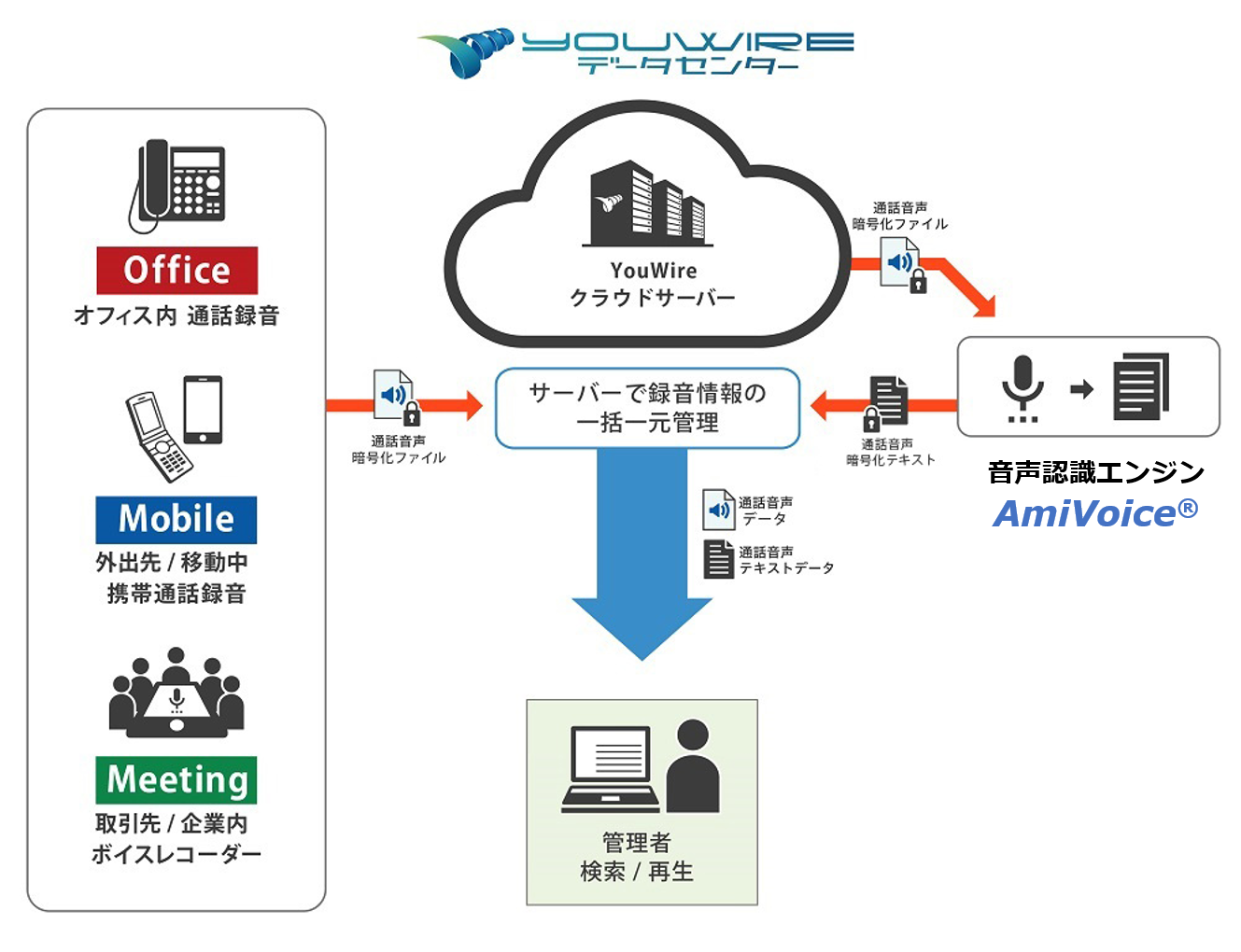
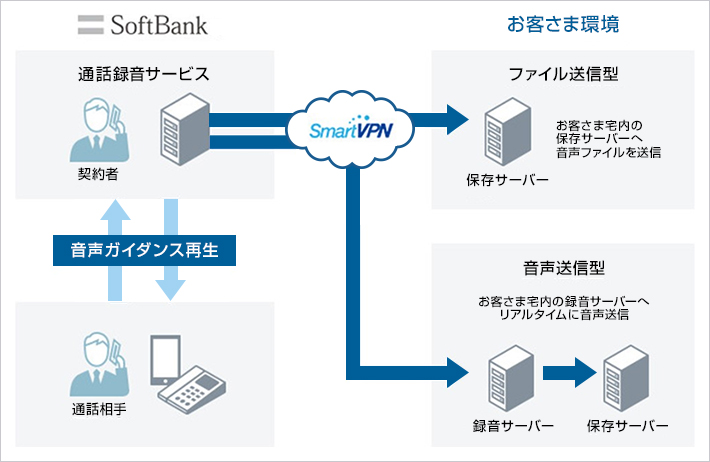
This gives businesses more control over gathering customer insights and making informed decisions based on them. It is also useful for quality assurance and compliance purposes. However, customers must be aware in advance that their calls are being recorded.
#3. Text-to-speech and vice versa
Speech-To-Text and Text-To-Speech are important in voice calling APIs for programmable call answering and customer interaction.
#4. Call routing and scheduling
This feature is very important in customer service centers where multiple customers access the same line. The API must appropriately redirect each request to the respective department based on some instructions.
#5. call forwarding
The API should be able to transfer calls from an auto attendant to a real human agent, or between multiple departments, as needed.
These key features must be included in a good quality voice calling API. Next, let’s take a look at some voice calling APIs and the features they offer.
agora
Agora is a real-time communications platform that offers products and enhancements such as video calling, voice calling, broadcast streaming, and analytics. For voice calls, we provide an SDK, a software development kit that allows developers to easily integrate the Agora voice API into their applications.

The voice calling SDK includes features such as AI noise suppression and 3D spatial audio to create an immersive experience. You can also use the real-time transcription feature of Live Audio Caption. The SDK is cross-platform and supports Windows, MacOS, Android, Web, Flutter, Electron, and many other platforms.
The best part is that it offers pay-as-you-go pricing plans, with the first 10,000 minutes of each month free.
sent bird

Sendbird is also a communications platform that offers a variety of SDKs and APIs to facilitate video and voice calls and live streaming. We provide SDKs for iOS, Android, JavaScript, Unity, and React Native. These SDKs handle the client side, while the platform API handles server-side monitoring of calling features.
Provides a dashboard of call analytics features such as call logs, call metadata, managed calls, and automated billing. Sendbird is HIPAA compliant and ensures the security requirements of healthcare organizations. Pricing is based on minutes per user.
Twilio
Twilio Voice , a cloud communications platform, provides APIs and services that software developers can use to embed voice calling capabilities into their applications and services. It helps you build engaging voice experiences that can be quickly extended and modified using a variety of customization options and resources.

With the help of voice intelligence, businesses can turn voice calls into actionable data insights through machine learning. You can also analyze and enable call recordings to create personalized voice experiences that drive revenue.
Twilio Voice offers features such as:
- call tracking
- built-in calling
- masked call
- global conference
- automated voice response
Luckily, Twilio offers pay-as-you-go pricing plans, so you’re not locked into a huge contract.
Dolby
Dolby also provides communications APIs for audio and video calls that give you the ability to create and make crystal-clear audio chats and calls in your browser, mobile, and PC apps. Masu.
It offers features such as voice activity detector, automatic gain control, and dynamic audio leveling. All of this allows audio to be detected, background noise removed, unwanted sounds blocked out, and consistent levels maintained between clients.
Compliant with GDPR, HIPAA, and SOC-2. Dolby offers a free pay-as-you-go plan for its voice calling API.
Privaux
Plivo is a communications platform with an API platform for messaging, voice calling, and solutions for sales and support teams. The voice calling API allows you to integrate voice calling within your applications and programmatically make, receive, and control calls around the world.
For web applications, plivo provides a browser SDK, and for native mobile apps, a separate mobile SDK. Features include:
- voicemail transcription
- text reading
- Call the feedback API
- dynamic caller ID
Like other platforms, it offers a pay-as-you-go pricing model.
signal line
SignalWire is a cloud communications platform that provides a variety of services such as voice calling, video conferencing, and SMS messaging. Hi-Fi Voice technology promises unparalleled voice quality, ensuring your voice won’t crack or make you sound like you’re abroad.

A feature for beginners is the ability to send an audio stream from a call to any URL in real time. This is useful when monitoring calls to customer support. SignalWire’s pricing plans are more complex.
enable x
Market faster and enjoy crystal-clear call quality with Enablex’s easy-to-implement voice API and SDK. You can make and receive calls from anyone with an Internet connection or phone number. You can also embed Voice-over-IP (VoIP), PSTN, and SIP calls directly into your app or browser using your favorite programming language.
Features include:
- group voice call
- virtual number
- automatic voice message
- SIP interconnect
Enablex offers flexible pricing plans and pay-as-you- go plans.
ring central
The RingCentral Voice API allows you to programmatically customize your app to make and receive calls, handle voicemail, and trigger webhooks. RingCentral is a communication platform that provides various APIs for different communication channels.
RingCentral’s voice calling API allows you to dynamically route and manage calls in real-time, extend or customize existing apps to add voice capabilities, and integrate AI systems. Offers unlimited free calls within the US and Canada.
telesign
Telesign is a communications-as-a-service platform that provides secure communications and identity verification solutions. Voice API allows you to build secure and reliable A2P, P2A, and P2P voice applications using web and mobile platforms.
Some of the features provided by Telesign’s voice API are:
- automatic speech recognition
- monitor traffic
- voice input
- automated voice response
Capture and implement phone numbers in over 120 countries, reformat phone numbers, record calls, and more. Please contact Telesign’s sales team for information regarding pricing plans.
vonage
Vonage is a global communications platform that provides communications services and specializes in conversational commerce. Integrate third-party artificial intelligence bots using WebSockets, enable self-service in 120+ languages using automatic speech recognition, and increase customer interactions by combining voice and social media channels. You can also.

Features:
- WebRTC support
- web socket
- audio streaming
- Speech synthesis markup language
- Globally distributed call control
- fraud defender
We offer pay-as-you-go pricing plans.
mirror fly
MirrorFly voice calling API allows you to connect, manage and route calls between any device and enjoy unlimited voice calling. Enterprises can build voice applications using programmable voice APIs. Make and receive calls from your browser, app, or web application to suit your business needs.
Here are some of its features:
- encrypted audio
- low latency
- natural language processing
- Audio rerouting
- Virtual number assignment
Low-latency audio APIs allow up to 250 participants from around the world to participate in discussions, meetings, and webinars with clear audio quality.
zego cloud
ZegoCloud provides real-time interaction services for cloud communications and aims to revolutionize virtual engagement with real-time interactions. It aims to connect businesses, teams, customers, and users.
UI kits and SDKs are two different ways to implement Zegocloud’s voice calling API. If you want to integrate voice calling functionality into your application without worrying too much about the UI, you can use a UI kit. Otherwise, Zegocloud also provides a low-level SDK for voice API integration. As far as pricing is concerned, Zegocloud follows a similar pay-as-you-go concept.
bandwidth
Bandwidth provides cloud-enabled voice, messaging, and emergency services connectivity built for enterprises.
Here are some features of the voice API:
- call control
- Real-time transcription
- Answering machine detection
- meeting
- media streaming
Building custom voice calling solutions that benefit your customers without having to build your own communications infrastructure or embed inbound and outbound calling functionality directly into your applications is what Bandwidth’s Voice API aims to accomplish. is.
cinch
Sinch is a cloud customer communications platform that allows you to integrate messaging, voice, or email functionality into your applications, enabling meaningful conversations with increased scalability, deliverability, and cost efficiency.
It’s more of a customer engagement tool. However, the functionality provided by the voice API is as follows:
- numerical masking
- phone verification
- Secure Telephone Identity Revisited (STIR)
- recorded prompt
- Voice-based IVR
There is no pricing information available at the time of this writing, so you will need to contact your sales representative for more information.
infobip
Infobip is a global communications platform that provides numerous APIs and technologies that enable businesses to interact with clients through SMS, voice, email, chat apps, and other communication channels.

Common features are listed below.
- SIP trunking
- WebRTC
- numerical masking
- IVR
Its voice API allows businesses to connect with customers using features such as automated voice calling, prerecorded audio files in over 100 supported languages, call recording, efficient call routing, and detailed call reporting. can.
last word
The choice of voice API is not based on the superior functionality provided by the platform. It depends on your business requirements and what you want to achieve from the API. However, you should choose a voice API with security and reliability in mind. When you compare different voice APIs, you can conclude that one is better suited to your needs.
If you want to consider customer engagement tools, here are some open source live chat software to look out for.


![How to set up a Raspberry Pi web server in 2021 [Guide]](https://i0.wp.com/pcmanabu.com/wp-content/uploads/2019/10/web-server-02-309x198.png?w=1200&resize=1200,0&ssl=1)


