Databases have become increasingly important to business operations, and even a minor failure can cost millions of dollars.
As the amount and complexity of data continues to grow, it is more important than ever to have robust, capable, and advanced database monitoring tools to analyze its performance.
What is database performance and what does it involve?
Database performance is the speed and level of access to which a database provides information to users. Database performance involves thousands of different factors. We’ll cover some basics here:
- How the database best manages and uses hardware resources such as disk space, memory, and cache.
- How the database handles seasonal variations in workload and block contention
- Speed and accuracy of data retrieval operations (using indexes)
- How fast and accurate is query processing?
- How well the database is connected to the external environment
SQL performance tuning is the process of ensuring that SQL statements are optimized to execute in the shortest amount of time.
Tips for improving database performance
We’ve looked at what makes up database performance. Now let’s look at some tips to improve database performance.
#1.Improve the index
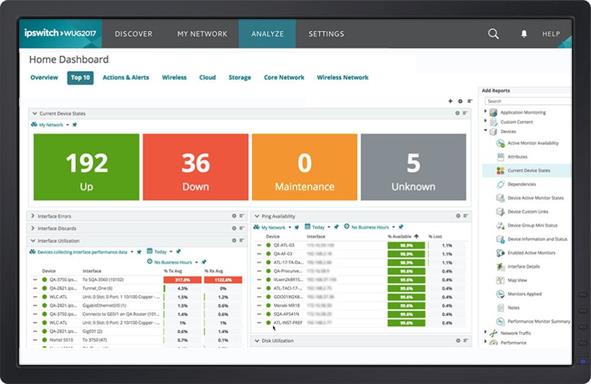
An index is a database object that optimizes searching and sorting data. Properly configuring indexes can significantly change the time it takes to insert or extract data from a database. Using a clustered index with a numeric field as the key result can help improve performance.
Similarly, creating a unique index can significantly improve the performance of queries that include indexed columns. When the query engine realizes that a field is not repeated, it stops searching for further occurrences of that field as soon as it finds the first field.
#2.Query optimization
Writing effective queries is certainly complex, as there are many ways to write a query to get the same result, but the efficiency and performance of each query can vary. Also, query results and performance often vary widely depending on the database and individual use case.
If a query is frequently used to fetch records from a database, it is recommended that the query be executed using a compiled query, but the DBA should monitor and optimize the executed query. You need to use tools that allow you to develop methods.
#3.Increase memory
Speed is often a concern when working with databases, and increasing memory can have a significant impact on speed. CPU caches and registers cannot be directly optimized by the DBA. This is not a trivial task, as RAM holds a lot of other information, including the running program stack and data, shared cache memory, kernel, and disk buffer cache.
Improving database performance requires keeping as much database information as possible in RAM without affecting other areas of the operating system. Increasing the number of memory and buffers improves performance by allowing clients to find the information they are looking for in the cache. On systems with multiple disks, performance can be improved by distributing some tasks across different disks.
#4.Data defragmentation
Inserting, deleting, and updating elements of a table can cause the index to become fragmented and perform worse than without the index.
Therefore, it is important to defragment indexes when they are fragmented, preferably when there is less access to the system, to avoid problems for users.
#5.Review access
Databases interact with other systems and hardware, so they require proper configuration to ensure optimal operation. After identifying hardware issues or potentially problematic queries, it is important to verify access. You can also use performance management tools to examine access patterns.
Why database performance matters and how monitoring software can help
Any company that provides online services to its customers relies on good database performance. Gone are the days when you only had a few options. Nowadays, there are thousands of options, so if there is a slight problem with the performance of your service, your customers will immediately look for alternatives, which can have a negative impact on the growth of your business.
Nowadays, efficient database performance also directly affects customer satisfaction. Therefore, monitoring is more than necessary to maintain and improve database performance. In this way, you can determine the necessary steps that you can take before problems occur with your database.
DBAs need to stay one step ahead to prevent databases from running into problems that are difficult to detect manually, as they require continuous 24/7 monitoring. The situation is even worse if the database is large.
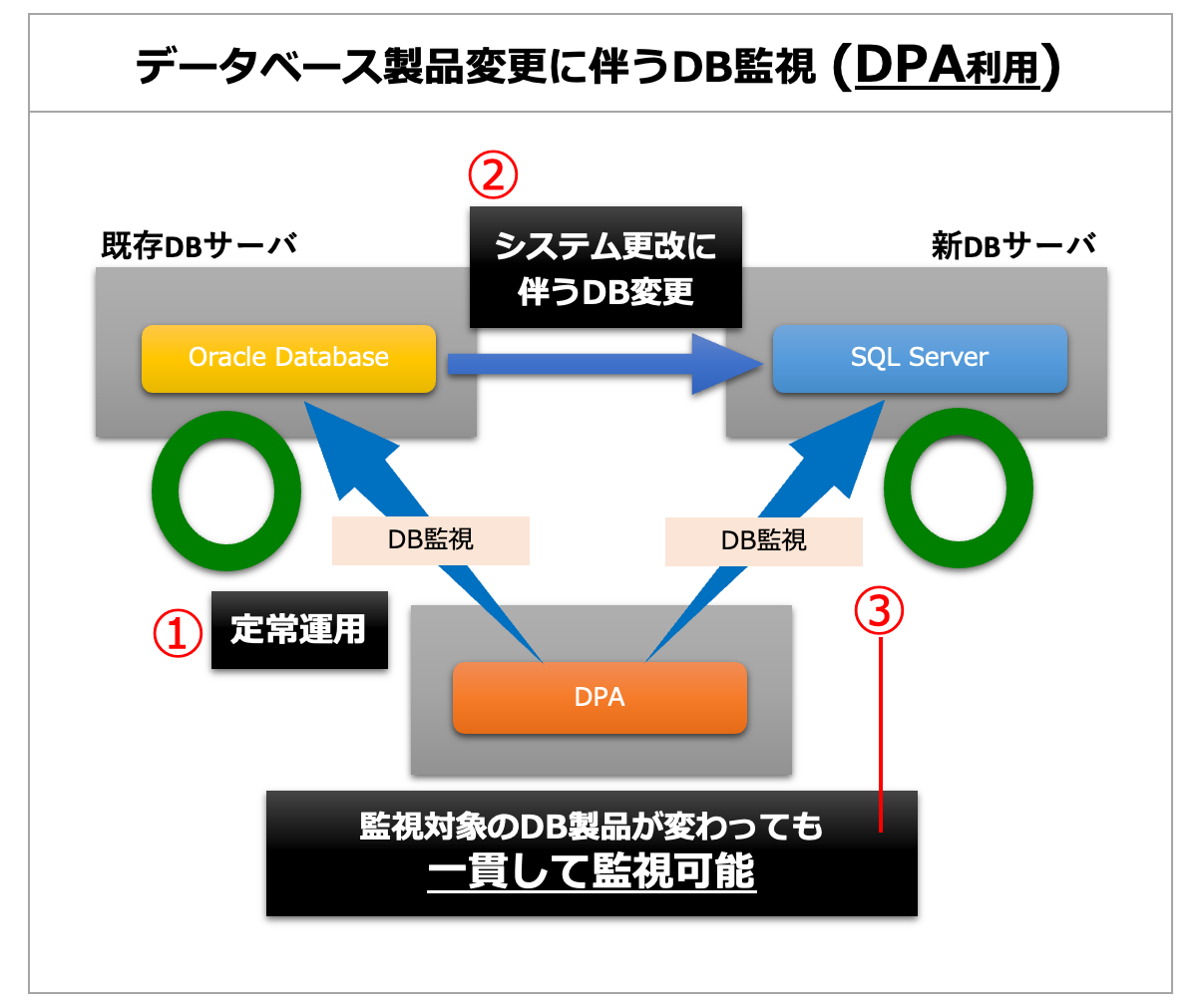
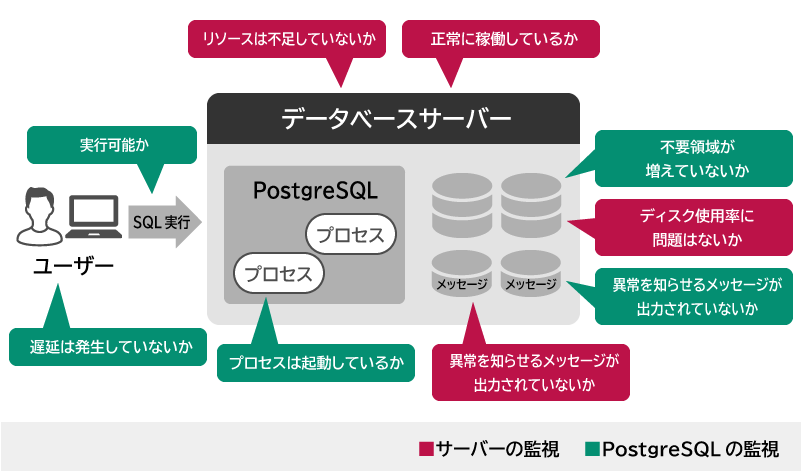
This is where proper monitoring comes in handy. Modern monitoring tools intuitively measure hundreds of different metrics and historical data that DBAs can compare and correlate to identify performance issues. You can also set custom alerts and generate performance reports using a variety of benchmarks, helping you identify problems and potential areas for improving database performance.
As we’ve seen, without the right tools, managing and monitoring databases across multiple servers and instances can be difficult, even for experienced DBAs. Therefore, below we will take a look at some of the best database monitoring software available on the market.
Pesler
Paessler provides a Database Monitor that allows you to monitor your entire network and all databases. PRTG uses sensors as basic monitoring tools to measure various values within the network. Paessler also allows DBAs to automatically generate customizable reports. Currently, Paessler has built-in support for various relational databases, including PostgreSQL, Oracle SQL v2, MySQL, and Microsoft SQL v2.
ManageEngine SQL Monitor
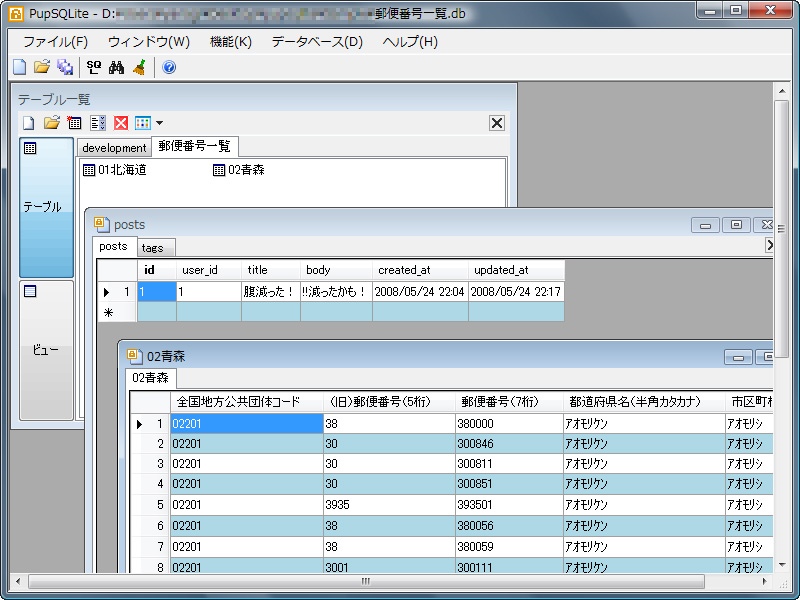
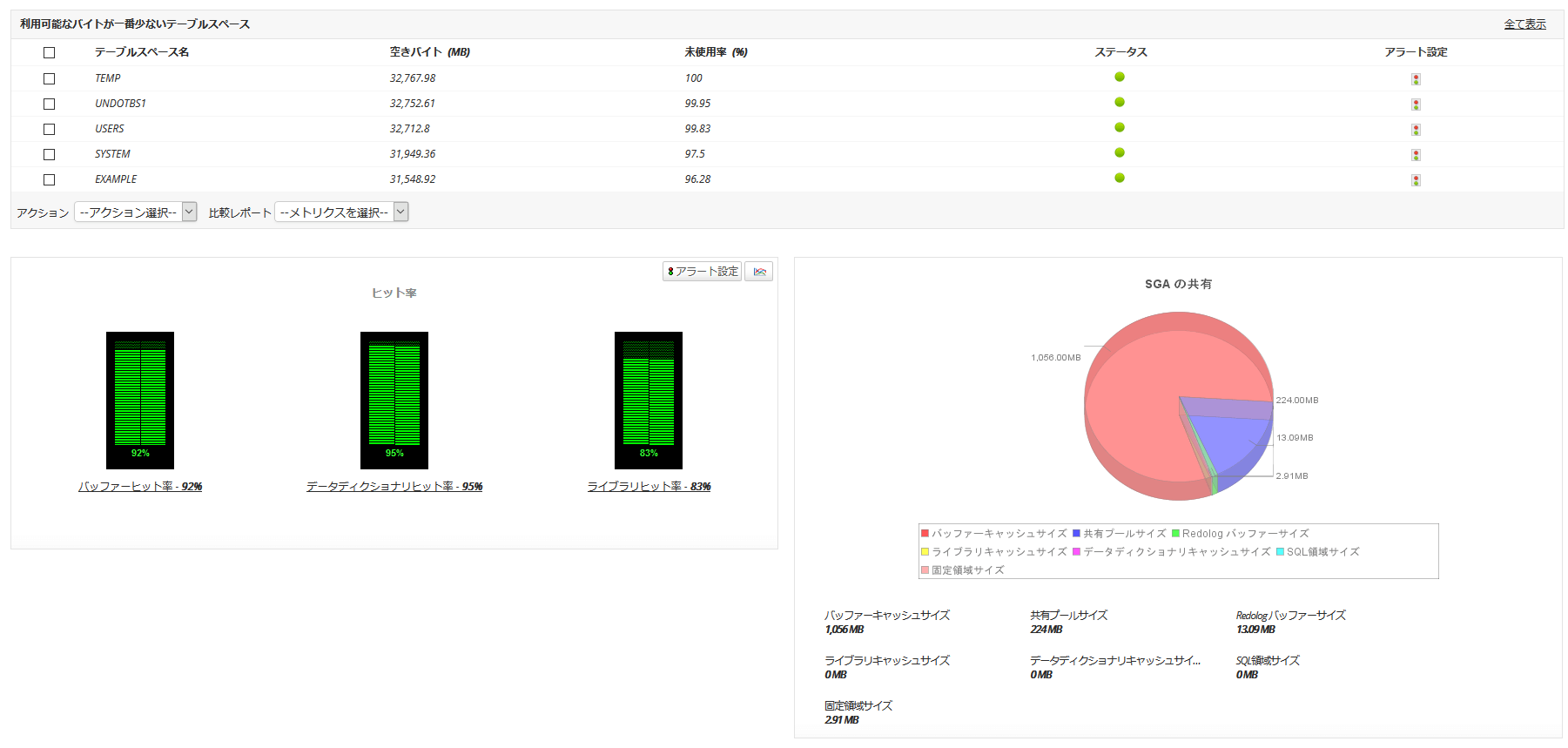
ManageEngine is an IT management suite that provides free SQL health monitoring tools. SQL Monitor provides an intuitive dashboard for monitoring various performance metrics. This allows you to automatically discover and monitor all SQL servers on your network.
ManageEngine’s SQL monitoring tool also offers a variety of color-coded alerts to facilitate tracking of various metrics. ManageEngine allows you to monitor all versions of Microsoft SQL.
solar winds
Solarwinds is a SaaS platform that provides a complete monitoring solution for monitoring and optimizing a variety of relational and non-relational databases, including modern cloud-native databases. Provides dashboards to visualize hundreds of important database, query, and infrastructure metrics.
Solarwinds allows you to monitor both historical and real-time data to help identify performance and compliance issues. Additionally, you will receive alerts that help you mitigate and quickly remediate threats and errors.
sentry one
SentryOne from Solarwinds is an all-in-one monitoring tool for SQL that helps you monitor your SQL servers through a wide range of metrics. SentryOne provides a top SQL view that shows the entire query history.
Like other major database monitoring tools, you can also set up automatic alerts based on benchmarks, metrics, or conditions. SentryOne Portal also gives you the option to monitor important performance metrics from your web browser.
zabix
Zabbix is a database monitoring tool that allows you to monitor database performance and monitor configuration changes on database servers. Zabbix provides auto-discovery functionality and supports SNMP and IPMI for data collection. It also provides various templates for monitoring databases.
Other features include alerts, integration with third-party utilities, task automation, event correlation, and more. Zabbix currently supports in-memory databases such as MySQL, Mircosoft SQL Server, Oracle, PostgreSQL, MongoDB, CassandraDB, and Redis.
fat watch
DbWatch is a cross-platform monitoring tool for the entire database ecosystem. DbWatch provides all performance and health metrics for your server databases in one place.
This allows you to create customizable performance and health reports for specific instances of servers or combined reports. dbWatch supports both AlwaysOn clustering and RAC clustering. Currently, you can monitor MySQL, Oracle, Microsoft SQL Server, Sybase, MariaDB, and Postgres databases.
data dog headquarters
Datadog is a SaaS database monitoring solution that lets you track performance metrics, logs, and traces through customizable dashboards. Datadog provides end-to-end tracing and automatic error pattern detection to find bottlenecks, slow-running queries, and other errors in your database.
Alerts can be automated. However, it has flexible alert logic to avoid alert fatigue. Datadog provides full API access to make monitoring even more efficient.
red gate
Redgate is a database monitor that specializes in monitoring SQL servers. It can be used to monitor databases on-premises or in the cloud. Redgate allows you to monitor SQL servers in batch and provides a single interface to get an overview of various performance metrics. Redgate comes with over 65 customizable alert options and gives you the option to create custom performance and server health reports.
last word
Database monitoring is more than just checking and creating backups. As your data continues to grow, investing in a dedicated solution to monitor your database servers is essential. Choosing the right solution based on your specific platform, database, and other requirements can not only help you avoid bottlenecks, security threats, and compliance issues, but can also make a big difference to your overall application infrastructure. there is.


![How to set up a Raspberry Pi web server in 2021 [Guide]](https://i0.wp.com/pcmanabu.com/wp-content/uploads/2019/10/web-server-02-309x198.png?w=1200&resize=1200,0&ssl=1)


