We are becoming more and more dependent on the Internet each day, and the risk of becoming a victim of a cyber attack is increasing. With the increase in cyber-attacks and other security threats, cybersecurity has become a top concern.
Cybersecurity refers to protecting digital technology from malware, spyware, ransomware, and other attacks on platforms such as clouds, networks, and devices. In recent years, the Python programming language has gained attention among cybersecurity professionals.
Cybersecurity professionals are responsible for development, architecture, and customization, so intermediate-level Python knowledge is helpful. Learn about the features of Python that can help with cybersecurity and where you can learn how to use Python in cybersecurity.
Features of Python

Cybersecurity professionals prefer Python for the following features:
Easy to learn and implement
Compared to other programming languages, Python requires fewer lines of code to accomplish the same task. Also, people prefer using Python in cybersecurity because it is a simple, lightweight, and easy programming language to begin with.
These structural features of the Python coding language reduce the learning curve for new programmers.
Easy debugging
Python’s simple structure, fewer lines of code, and easy-to-read code make it easy for programmers to debug their code. Even novice programmers can perform self-debugging. Additionally, debugging a Python project takes less time than alternative projects.
Python license is open source

Because it is an open source coding language, more developers of software, apps, and digital solutions rely on it than its competitors. Also, the development cost is always lower than the programming language you have to pay for.
memory management
The Python coding environment comes with a built-in memory manager. Therefore, users and programmers do not have to worry about memory allocation, caching, segmentation, etc.
Cybersecurity for professionals
Cybersecurity professionals typically have limited programming knowledge. If a programming language other than Python needs to be implemented for cybersecurity, professionals must go through a complex learning curve.
Cybersecurity solution development companies can avoid these bottlenecks by adopting the Python language. Professionals can quickly learn the basics of Python programming and tackle projects faster.
Rich library
Because this programming language is open source and used around the world, many coding library developers are building Python library modules. Cybersecurity professionals can quickly obtain the required modules from such libraries to create security solutions. You save time by not having to build all modules from scratch.
Python in Cybersecurity is Universal
With Python, you don’t need any other programming language to build solutions or detect problems in the cybersecurity domain.
Python is sufficient for host discovery, malware detection, accessing servers, sending and decoding data packets, network scanning, port scanning, etc.
Top Resources to Learn Python for Cybersecurity
Now that you know the benefits of using Python in cybersecurity, you can take advantage of the following resources to learn the Python programming language.
Python Specialization for Cybersecurity: Coursera
Coursera offers this professional learning path, which consists of five individual courses. By completing this series of courses, you can become a master of Python and cybersecurity. Here, you will learn a customized Python script development process for cybersecurity task automation.
After completing this course, professionals will be able to apply Python at various stages of the cybersecurity attack lifecycle to achieve their goals. Additionally, learn how to use this programming language to automate defensive and cyberattack activities.
The course curriculum also includes an applied learning project in which participants go through the Shield and MITER ATT&CK use cases, and then gain technical skills to implement Python for network protection.
This course is ideal for those who want to earn a certification after completing the course. Shareable certificates are easy to display in career opportunities. It’s 100% online, so you can start anytime and progress at your own pace. This course also provides options for managing flexible deadlines.
To select this learning path, participants must have 1-5 years of cybersecurity experience and basic experience with Python. If you invest at least 1 hour each week, you can complete this course in 5 months. Course materials and resources are available in English, with subtitles in the same language.
Complete Python Hacking Course: Udemy
Did you know you can learn ethical hacking and network security while working on Python projects? Yes, this Udemy course allows participants to do just that. This course comes with 17.5 hours of on-demand video and lifetime access.
We focus on trending topics to help you tackle the present and future of cybersecurity. Valuable subjects include ethical hacking, Python programming, network security and analysis, penetration testing, DNS spoofing, SSH and FTP attacks, port and vulnerability identification, and password cracking.
If you’re wondering whether this course is the right choice for you to learn how to use Python in cybersecurity, here’s some information about who should take this course. In addition to Python programmers interested in security and ethical hacking, students who want to learn Python can also join this course.
To join this course, you should have an introductory understanding of topics related to ethical hacking and be an open and enthusiastic person. Although the course includes intermediate to advanced level tutorials, the step-by-step teaching method is very beginner-friendly.
Turn on English subtitles for better understanding or download lectures to watch offline. You can also access the learning materials from your TV or smartphone. By completing the course, you will receive a certificate that will allow you to highlight your skills to existing and future employers.
Python for Cybersecurity: Infosec
The Infosec Python course on Cybersecurity helps participants learn how to use Python for various cybersecurity tasks. Here, participants will get an application-driven introduction to Python and learn how to use the language for cybersecurity purposes.
After completing this course, you will be able to use Python in cybersecurity to automate tasks throughout the cyberattack lifecycle. We’ll walk you through the working process of some common applications that can be used for this purpose, as well as show you different ways to use Python to enhance your cybersecurity.

This course provides a deeper understanding of the MITER ATT&CK and Shield frameworks. Participants will also be able to develop bespoke Python scripts for automating cybersecurity tasks. In this course, you’ll learn a wide range of things you can do with Python. This also includes how to implement Python for Active Defense.
There are 17 courses in the learning path. The entire training takes 11 hours and includes 89 videos that provide an in-depth learning experience. This course is suitable for SOC analysts, penetration testers, and incident responders.
Learn Python for Ethical Hacking: Edureka
Ethical hacking is becoming increasingly important in modern times. If you want to learn ethical hacking using Python, this Edureka video serves as a free Python course online. We’ll touch on the core topics of this subject and help you perform ethical hacking using Python. The video includes slides with interesting explanatory visuals to help you understand the concept.
Cybersecurity Encryption with Python: Udemy
Do you want to improve your information security skills? Want to learn Python’s implementation of modern application encryption? Enroll in this Udemy course and get the most out of it. Here you can learn the basics of cryptography and implement the cryptography toolset in Python.
This course covers key topics such as Python cryptography, cryptography, quantum computing, cyber security, and confidentiality. Course materials include 3.5 hours of on-demand video and two downloadable resources. Plus, you’ll have lifetime access to the resources.

The main focus of this course is to become proficient in cyber security. So, you can learn about the important principles of cryptography and how to improve your cyber security skills. Additionally, we teach you how to improve system reliability and apply security systems efficiently.
The great thing about this Python in Cybersecurity course is that participants can also access it from their smartphones and TVs. Therefore, you can progress through the course material from any available device. Plus, after completing this course, you’ll earn a certification that you can display on your profile or include on your resume.
If you are a cyber security professional, system administrator, security administrator, developer, or DevSecOps, you can benefit from this course. However, you will need basic mathematics and general computing knowledge to participate in this course.
Master Python for Networking and Security: Amazon
This is a great resource if you want to learn Python from a book. This book on Amazon describes techniques for using Python in cybersecurity for modern security and networking.
Learn modern Python scripts here to help you deal with cyber-attacks more easily. You can also build your network and ensure maximum security through various Python libraries. Additionally, readers will gain a deeper understanding of the Python packages and libraries available for network security.
| preview | product | evaluation | price | |
|---|---|---|---|---|
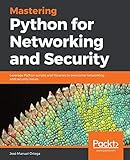 | Master Python for Networking and Security: Overcome problems with Python scripts and libraries. | $50.00 | Buy on Amazon |
Learn how to use network applications to program in Python. This resource prepares you for automatic data extraction from servers, identification of server and web application vulnerabilities, metadata and forensic extraction, and a variety of other important tasks.
This book on Python is perfect for intermediate and advanced programmers. If you are a network engineer, system administrator, or other security professional who wants to manage network and security challenges, you will find this book helpful.
This book is also available in Kindle format. Therefore, those who are looking for the experience of reading books without affecting nature can opt for e-books.
Introduction to Python for Cybersecurity: Coursera
As part of the Python for Cybersecurity Specialization, this Coursera course introduces the importance of Python in cybersecurity. This intermediate level course has flexible deadlines that can be adjusted according to your availability and convenience.
It’s 100% online, so participants can learn from anywhere without commuting. This learning path provides an introduction to application-driven courses that help you automate tasks across the cyberattack lifecycle using Python. If you belong to the IT and security professional community, this course will help you gain skills and certifications to advance your career.

Additionally, you’ll see how some applications work and how cybersecurity professionals can use Python to increase efficiency. By enrolling in this course, you will have access to a number of self-paced learning resources, including videos and readings. You can also practice quizzes and participate in graded peer feedback assignments, programming assignments, and quizzes with feedback.
Additionally, this course comes with a shareable certification upon successful completion of the course. Therefore, you can share your certificate with potential employers and customers to showcase your expertise in cybersecurity and Python.
conclusion
Cybersecurity is receiving increasing attention as organizations begin to focus on preventive measures to protect their data, assets, and infrastructure from cyberattacks. As with many other career paths, basic and intermediate knowledge of Python can open new doors in the cybersecurity field.
If you want to know more about career opportunities from this blog on cybersecurity jobs, the above resources will help you gather the necessary knowledge of Python in cybersecurity.


![How to set up a Raspberry Pi web server in 2021 [Guide]](https://i0.wp.com/pcmanabu.com/wp-content/uploads/2019/10/web-server-02-309x198.png?w=1200&resize=1200,0&ssl=1)


