If you want to provide faster consumer services and collect payments quickly in your business bank account, you should consider embedded finance (EmFi).
Retail stores and electronics stores do more than just sell products and services. We also offer our customers a next-generation shopping experience. Now, with one click, customers can purchase a product, obtain a line of credit to purchase that product, and insure it at the same time. That’s the power of EmFi. If you want to know more, keep reading.
What is embedded finance?

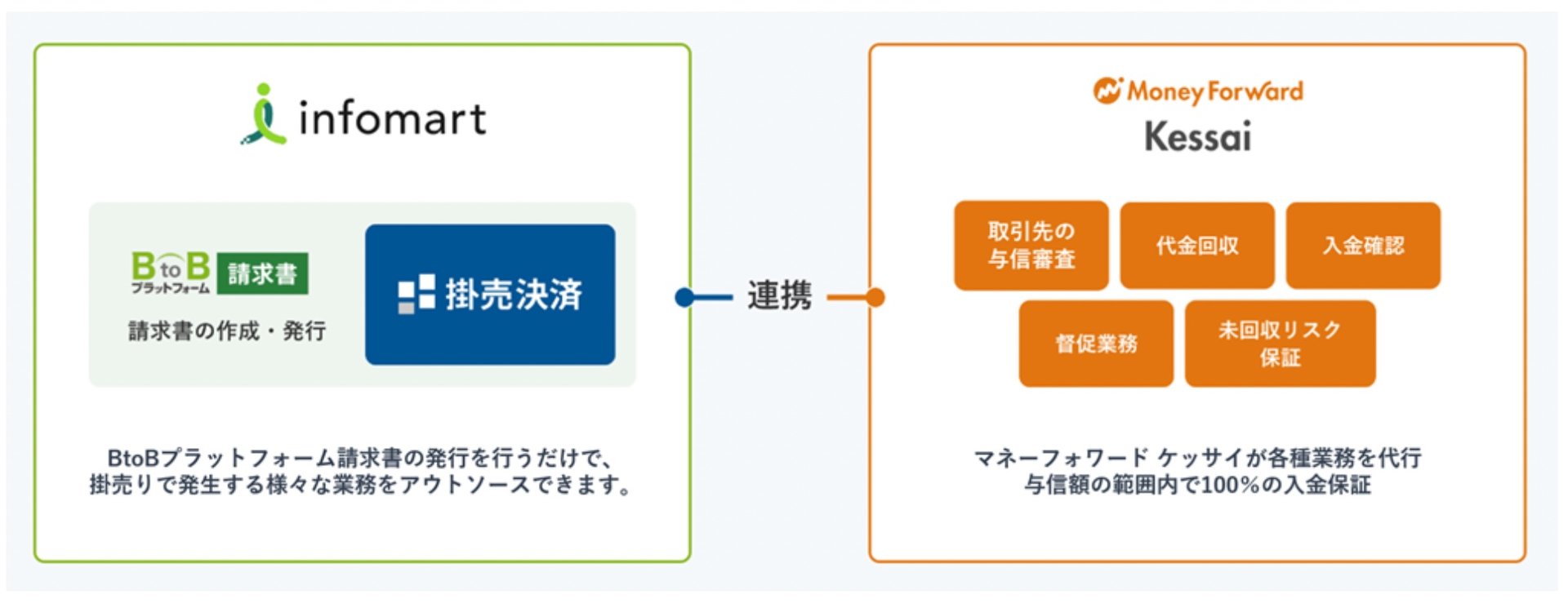
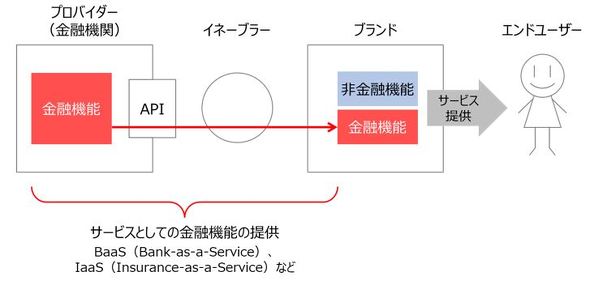
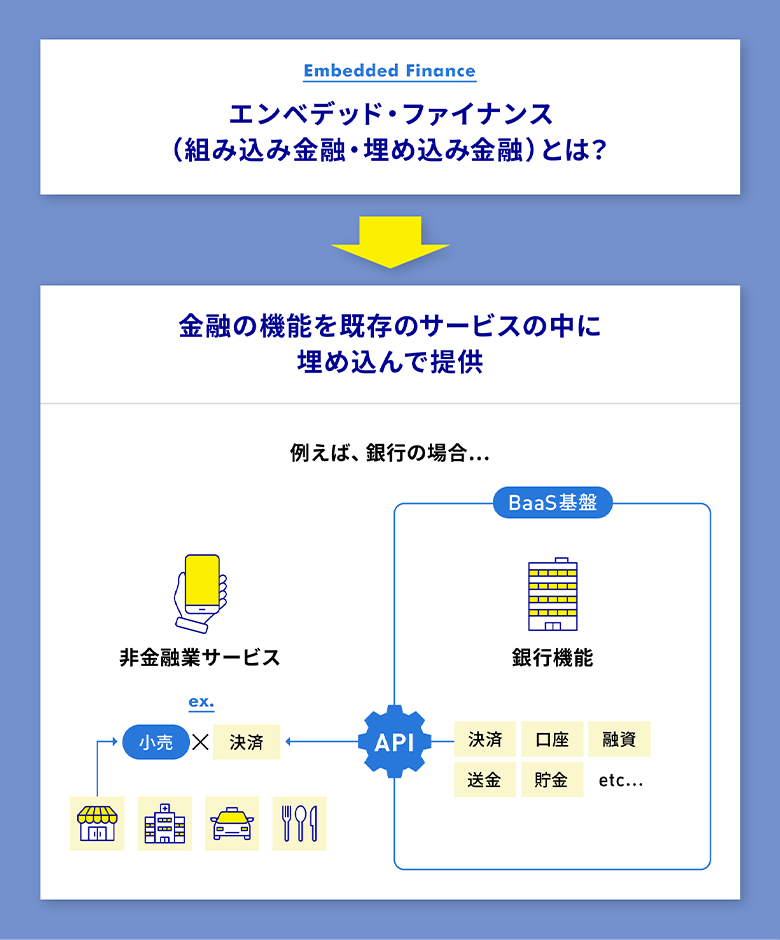
Embedded finance integrates financial services, products, and technology with non-financial businesses. By integrating payments, financing, monthly payments, loyalty points, and more into apps and online software, businesses can quickly sell products and services in physical and online stores.
At EmFi, non-financial businesses are the face of the industry. The real players are on the backend. For example, behind every embedded financial product is a financial software development company that partners with banks and non-financial businesses.
The most famous example of EmFi is Buy Now Pay Later (BNPL), which allows consumers to check out products without paying cash. Just enter your SSN, loan account number, and more. A seller’s market quickly links your data to embedded financial service providers that secure financing from partner banks.

Here’s what happens:
- Buyers can get the product now without paying. they pay later
- Seller sells products to qualified buyers
- Financial institutions can acquire new customers
- Financial software developers incorporate all these activities into one software
EmFi reduces unnecessary paperwork and bank visits for retail transactions. Businesses can also sell additional financial products to customers and earn commissions. For example, a car retailer sells car insurance along with the car.
Types of embedded finance
Read below to learn about the different types of embedded finance you should know about.
#1. embedded banking
One of the most common types of EmFi is embedded banking. Start-ups and online businesses often sign up for business banking with fintech companies such as Mercury Bank, Revolut, and Wise.
These fintech SaaS providers create and distribute software that allows businesses to open new bank accounts, deposit earnings, invest, and obtain loans. Fintech companies provide digital platforms for all these transactions. On the back end, there is a real bank that provides banking and financial services.
#2. branded payment cards

These are bank-insured credit or debit cards, but branded for businesses. For example, the Apple Card has the Apple logo and name on the titanium card. Pair it with your iPhone for maximum benefits and earn cashback and loyalty points in one wallet. Apple allows you to purchase Apple hardware in installments using Apple an Card.
#3. embedded insurance
With traditional insurance, you have to purchase an item and visit your insurance company to see if you want to insure that item. However, fintech has changed the way the insurance industry operates. Nowadays, you can insure almost anything you buy from a reputable online or offline store.
For example, if you buy a Pixel 7 from the Google Store, you can choose Google Preferred Care to insure your Pixel 7 phone, or you can also get an accidental protection plan when you buy on Amazon.
#4. built-in financing
In embedded lending, online and physical marketplaces partner with specific banks and financial institutions for consumer loans. When a customer approaches a retailer, they can choose a loan that is approved by an affiliated bank. Therefore, consumers commit to paying later rather than upfront.
#5. embedded payments
Embedded payments in EmFi and fintech are systems that allow credit card, debit card, or mobile wallet information to be stored in an online marketplace or merchant’s mobile app. If you need to buy something, just select your payment mode and checkout. Embedded payments eliminate the need for customers to manually enter their card numbers, providing a convenient purchasing experience.
Who is distributing embedded finance?
It doesn’t matter what kind of business you’re in when it comes to implementing an efficient embedded financial system. Once your business has the necessary digital infrastructure and customer attraction, you can distribute EmFi services.
For example, if you’re a popular local diner operator with several restaurants in your city, you can start with the following EmFi products:
- branded payment cards for dinner
- Points for using the card
- We provide insurance services for small items such as mobile phones, laptops, and tablets.
The following companies and organizations are currently leaders in EmFi distribution:
- Online or brick-and-mortar retailer
- Software and mobile app development company
- communication company
- Online marketplace aggregator
- digital wallet
- OEM manufacturer
How to use embedded finance efficiently
To learn advanced EmFi theory, find high-quality resources below.
Increase in digital footprint
The success formula behind EmFi is how popular the business is. Therefore, you should market your brand using things like your website, social media pages, and groups on social messaging platforms.
Make sure you provide the right deep links to route social media traffic to your website or e-commerce platform. If you own a physical store, you can promote it with social media marketing campaigns.
online business payments
Use various online payment gateways to facilitate payments and receive loyalty bonuses as well. Needless to say, such payments are instant and very secure compared to offline payments. The checkout experience and convenience of online payment is also high.
Development of brand cards
You can encourage customers to sign up for your payment card by offering discounts, cashback, and loyalty points. Payment cards may be prepaid or postpaid. Prepaid is advantageous because customers deposit a lump sum amount for one month. This is your guaranteed return for the entire month.
Promotion of financial products
Whether you sell groceries, hardware, or niche services, you can always promote the financial services offered by your partner banks and wealth management institutions. We also embed financial products such as cell phone insurance, crypto exchanges, stock trading, travel insurance, and aviation insurance into your checkout cart.
How can embedded finance change the fintech industry?
EmFi is already supporting the rapid growth of the fintech industry. According to Vantage Market Research , the fintech industry generated more than $133 billion in revenue between 2017 and 2022. The research firm expects revenue to increase by up to $556 billion by 2030. At the same time, EmFi adoption has increased commensurately. Here are the fintech paths that EmFi is directly impacting and transforming.
Increase in consumer spending
Fintech allows lenders to electronically approve short-term credit facilities by verifying customer credentials such as SSN, credit score, etc. online. Therefore, consumers do not need to visit a lender’s office to obtain a loan facility.
However, the reach of fintech is limited. It barely reaches the target audience. This is where EmFi can help financiers and fintech developers. Retailers can install the EmFi system on their online and offline checkout systems to promote insurance, finance, and banking products. This technique increases customer spending more easily than other marketing tactics.
Improving payment safety and convenience
Apple Pay and Google Pay (Google Wallet) are the best examples of secure online payments with convenience and benefits.
Apple Pay and Apple Card allow users of compatible Apple devices to pay online and offline. Offline stores can easily use NFC or touch and pay systems. No need to take out your card and swipe it.
Apple Card holders can instantly get a line of credit to purchase Apple products at the Apple Store and Apple.com. Plus, when you sync your card with your iPhone, you can make payments on almost any online marketplace. Not to mention, this card earns you unlimited 3% cashback.
Similar branded cards are available from Delta Air Lines, Citi, Hilton Honors, Hotels.com, Amazon Prime Rewards, Costco Anywhere Visa, and more.
Banking as a Service (BaaS) powered by Fintech
Startups need an all-in-one solution that can handle capital inflow deposits, customer payment deposits, employee payments, vendor payments, and surplus capital investment. Since startups operate globally, they also need seamless currency exchange in different currencies.
Today’s leading fintech businesses like Novo, Relay, Wise, Revolut, LendingClub, and NorthOne offer exactly what startups need. These are BaaS service providers powered by embedded financial services.
Without EmFi, startups would have to invest more time in physical banking, wasting time and money.
Advantages of embedded finance
The EmFi concept has multifaceted benefits, including:
- Customers can conveniently purchase products and services
- Consumers can also invest in high-quality financial products without visiting a bank or asset management company
- Retailers can increase product sales by offering short-term unsecured loans
- Any company can diversify its revenue streams by selling add-on financial products.
- Fintech startups and software development companies can generate revenue and reinvest in EmFi technology development
- Governments and financial regulators can easily create a cashless digital economy
Embedded finance challenges
The main challenge to EmFi’s growth is customer apathy toward online payments. Still, the majority of consumers prefer to pay using banknotes. They are also not familiar with integrated financial systems and prefer real banks and fencing institutions to virtual banks. Other notable challenges include:
- Various financial regulations by governments and central banks
- Many banks do not have API access to their systems, allowing fintech startups to sell EmFi products and services.
- Consumer, retailer, and bank data security
Future scope or embedded finance
With perfect data security and data encryption in place, EmFi makes banking and lending more accessible. Banks and financial institutions will have to spend less on marketing and product promotion.
For example, Amazon already offers a variety of shopping cards from different banks. When a user chooses such a payment card, it actually increases the customer base of the underlying bank.
According to Juniper Research , embedded financial services revenue could reach $183 billion in global markets by 2027. Therefore, it has a wider financial scope for non-financial businesses, software developers, technology start-ups, financiers, and banks.
Embedded financial learning resources
#1. Fintech: Buy Now Pay Later (BNPL) | Udemy
Are you a fintech mobile app developer or online marketplace owner looking to increase your revenue? You need to sign up for this Udemy course and learn how the BNPL system works.
Buy now, pay later is one of the most popular unsecured short-term borrowing systems among consumers. This course covers BNPL concepts such as:
- BNPL and its market scope
- BNPL business model and consumer behavior
- Offline and online transactions using BNPL
#2. Understanding FinTech | Udemy
If you want to learn EmFi, you should understand the fundamentals of financial technology by completing this quick and self-paced learning module on FinTech Fundamentals. Udemy has created the course content in a way that everyone can understand. Learn fintech concepts such as:
- Fintech and financial stability
- FinTech ecosystem
- Scope of FinTech
#3. Fintech: Embedded Finance, Payments, BaaS, API Banking | Udemy
EmFi relies on advanced banking and financial technologies such as API banking, online document verification, and software integration. You can learn all this and more when you sign up for this embedded finance course on Udemy. The main course contents are as follows.
- Banking as a service
- API banking
- embedded payments
#4. Embedded finance: When payments become experiences
Learning EmFi will be incomplete without learning about the past, present, and future from this Embedded Finance book.
| preview | product | evaluation | price | |
|---|---|---|---|---|
 | Embedded finance: When payments become experiences | $21.71 | Buy on Amazon |
The book explains how tech giants like Google and Amazon became the leading companies to bring EmFi to their stores. We also discuss other examples of startups and niche retailers that are succeeding with EmFi fintech.
conclusion
Embedded financial technology and services are the next big thing for the retail and BFSI industries. By understanding EmFi technology concepts, you can diversify your retail revenue streams, increase your customer base, and secure well-paying jobs in the BFSI field. Choose from the online certifications and learning resources above to gain functional knowledge of EmFi.
Next, we’ll discuss how IoT is transforming the retail industry.


![How to set up a Raspberry Pi web server in 2021 [Guide]](https://i0.wp.com/pcmanabu.com/wp-content/uploads/2019/10/web-server-02-309x198.png?w=1200&resize=1200,0&ssl=1)


