Cloud migration is beneficial for modern organizations embracing digitalization due to its superior scalability, productivity, flexibility, and performance compared to traditional systems.
With advances in modern cloud services, more and more organizations are gradually moving their workloads, applications, and services to the cloud.
According to Gartner research, by 2024, enterprises will spend more than 45% of their IT spending on cloud solutions rather than traditional IT.
Moving to the cloud has become inevitable for modern businesses. By leveraging the power of cloud computing, businesses can accelerate growth and meet modern demands.
However, moving your infrastructure to the cloud is a difficult task.
You need a robust and effective cloud migration strategy to help you migrate your on-premises workloads, applications, and data to cloud infrastructure.
The right cloud migration strategy will not only help you successfully migrate your organization’s assets to the cloud, but will also help you reap the maximum benefits.
This guide provides an in-depth look at cloud migration and strategies before you choose to move to the cloud.
What is cloud migration?
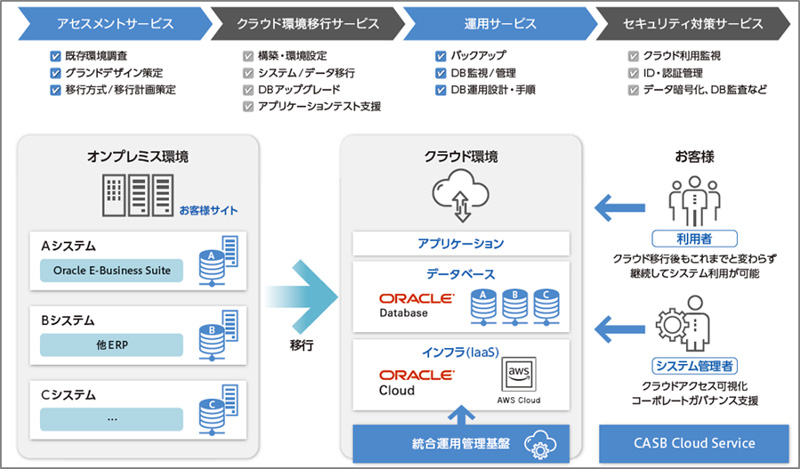
Cloud migration is the process of moving an organization’s applications, data, services, databases, IT resources, and other business elements to a cloud computing environment. Depending on your organization’s requirements, migration can be done partially or completely.
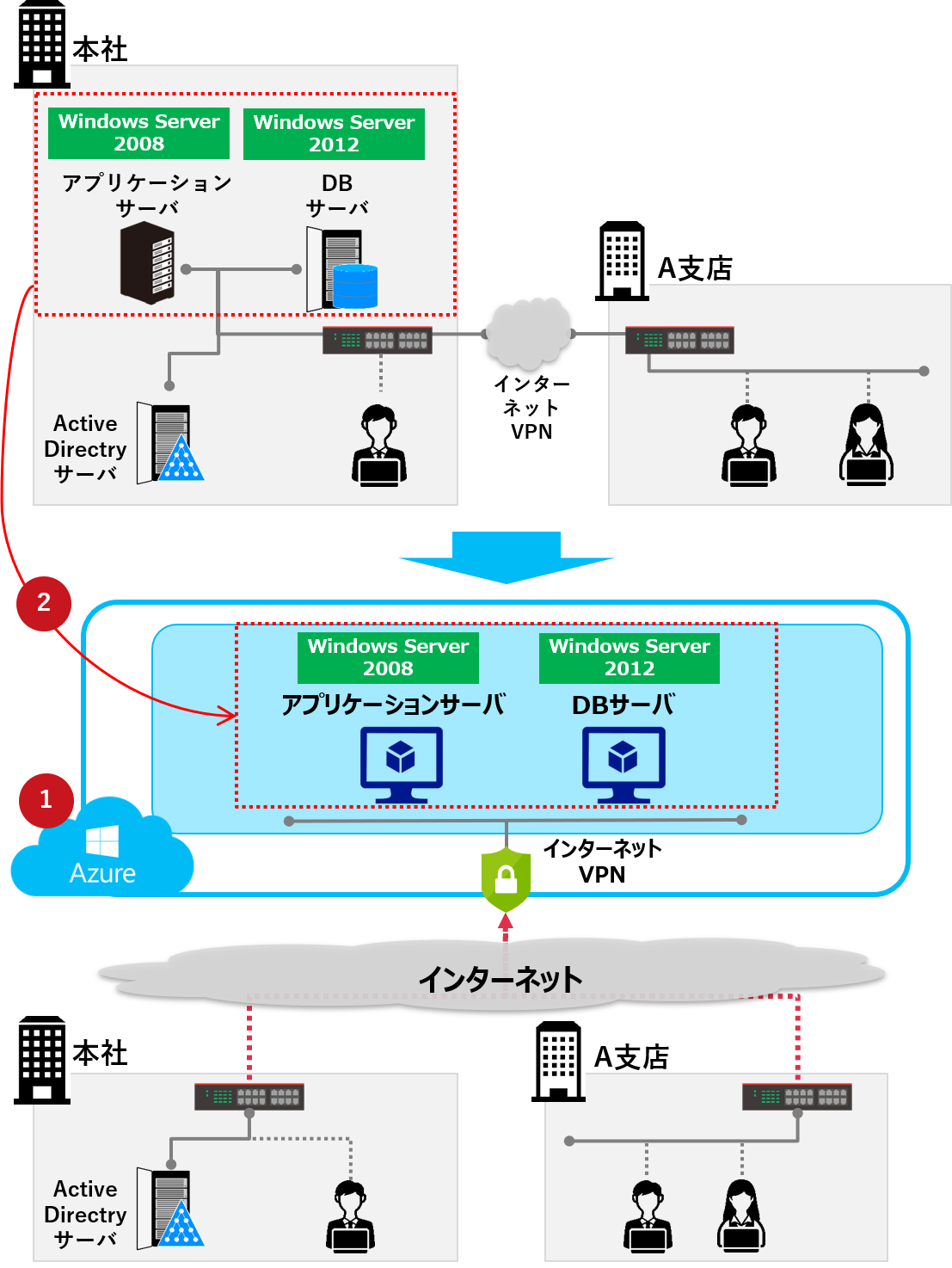
Organizations choose cloud migration primarily because their outdated legacy infrastructure is unable to keep pace with modern digital transformation. Outdated software solutions and servers and unreliable security policies are the main factors hindering growth.
While migrating to the cloud, organizations can take a variety of approaches to ensure a smooth transition. Here are some of them:
- Public cloud: The most common type of cloud migration that many organizations choose is to move applications, data, and services from on-premises data centers to public cloud environments such as AWS, Azure, or GCP.
- Cloud-to-cloud migration: It also serves as a popular choice among organizations migrating cloud workloads from one cloud platform to another.
- Reverse cloud migration: Some organizations may perform a reverse cloud migration or cloud exit. This type of cloud migration offloads applications and data from the cloud to on-premises servers.
Cloud data migration is a critical aspect, so having the right cloud migration strategy in place will help you achieve the performance and efficiency you desire. Ensuring a successful migration requires proper preparation, planning, analysis, and execution.
Benefits of moving your data to the cloud

Moving your organization’s data, applications, and services to the cloud offers many benefits, including:
- High performance: Cloud environments help improve the performance of applications and websites hosted on the cloud by using the latest technologies and tools. These services can run from any geographic location, and complete backups improve performance.
- Improved scalability: Cloud infrastructure allows organizations to easily scale their applications and services to an ever-growing customer base and database. This allows organizations to adapt to changing business needs and scale according to market demands.
- Greater flexibility: Cloud infrastructure resources can change depending on the traffic generated by your application or service. You must be able to scale up or scale down and get the help you need to become more efficient.
- Increased productivity: Your cloud provider handles all the complexities and demands of your cloud infrastructure, giving you more time to focus on your work. Employees can be more productive with quick access to the latest tools and data.
- Digital Experiences: Moving to the cloud creates a completely new experience for customers and employees alike. Employees can easily access work from anywhere using the Internet. It also helps improve the customer experience by giving you more time to respond to customer needs.
- Security: Most cloud providers protect their customers’ cloud infrastructure using best-in-class security tools and policies that significantly reduce risk. From regular security analysis and top-level vulnerability management to compliance with regulatory standards, we deliver a more secure environment.
Cloud migration challenges

Although cloud migration has many benefits, you can still face some challenges. Here are some big challenges and how to overcome them.
- Inappropriate strategy: In order to follow the latest trends or meet increasing demands, many organizations often start migrating to the cloud without a proper strategy. It not only reduces performance but also causes many problems. However, a robust cloud migration plan and an understanding of the requirements of each application and service can help with an efficient cloud migration.
- Legacy applications: Some legacy applications do not perform optimally when moved to the cloud. The best way to resolve this issue is to consolidate your applications or rebuild them to adapt to modern cloud environments.
- Vendor lock-in: Vendor lock-in is another major challenge that many companies face. In this situation, the cloud provider’s services cannot be extended to another cloud platform. If you are not satisfied with the performance after using a cloud service, it can be difficult to switch to another cloud service because it is costly and time consuming.
- Cost management: Not setting clear KPIs for where to spend or save during the transition can result in unnecessary spending.
Additionally, the fees for services in a cloud environment vary depending on the usage. When choosing a new service, you need to be careful where you spend your money. Proper planning from the beginning of your migration can save you a lot of money that can be used for other resources.
Cloud migration process
There are many different methods when it comes to the cloud migration process. It depends entirely on your migration goals and the size of your infrastructure. However, most organizations follow a basic cloud migration process as described below.
#1. effective planning
The first thing you need to do is plan your migration and execute it. Achieving that requires a solid strategy. You need to understand your reasons for moving to the cloud, your goals, and your use cases.
It’s best to have complete details about your on-premises infrastructure, including resources and system dependencies. As you plan, you need to determine the server, performance, and security requirements needed to run your application optimally. It’s also helpful to plan the amount and type of training you need to provide to your team.
#2. Choosing the right cloud solution
Once all your planning is complete, choose your cloud provider. Top cloud providers in the industry include Amazon Web Services, Google Cloud Platform, and Microsoft Azure.
Every cloud provider offers multi-cloud, private, public, and hybrid cloud environments. Therefore, you need to choose the right one that meets your requirements and helps you scale up or down your business.
#3. Migrate services, applications, and data
Now run the migration process. You need to move your services, apps, and data from your on-premises data center to your chosen cloud environment. The migration process can be initiated over a private network, public network, or offline transfer.
- Although offline transfers can be time-consuming and costly, cloud data migration offers the highest security.
- Cloud migration services upload all your data and applications to a secure device and deliver them to your chosen cloud provider.
Choose one of these based on your preferences and follow a plan for a smooth cloud migration process.
#4. verification
The last thing you need to do in the migration process is to verify that everything migrated correctly and works according to your requirements. Applications and services need to work optimally with cloud resources. After verifying everything, you can conclude that your migration to the cloud was successful.
Cloud migration strategy
In addition to the cloud migration process, a successful migration also requires an effective and appropriate cloud database migration strategy. There are seven strategies devised by Garnet and many other organizations as the 7Rs.
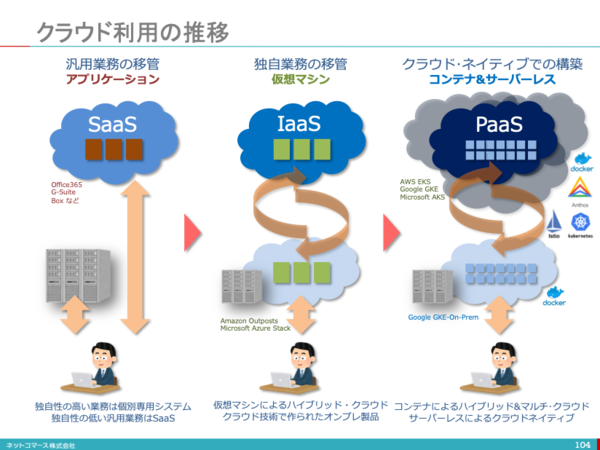
- Refactoring: Refactoring is a strategy that rebuilds an application from scratch and takes advantage of cloud-native features to ensure optimal performance and scalability. Reuse existing frameworks and source code, but run on the desired PaaS.
- Rehosting: Rehosting is one of the simplest migration strategies, as it involves simply choosing an IaaS provider and migrating your application there without making any changes. This is a lift-and-shift strategy used by companies that are new to cloud computing and need a cloud infrastructure.
- Revision: This strategy, also known as replatforming, rewrites the code base and establishes it on a cloud platform through refactoring or rehosting. It is advantageous if you want to make some optimizations to take full advantage of cloud capabilities.
- Repurchase: Repurchase is a strategy for replacing existing applications with new applications using SaaS models and cloud-native platforms. However, this strategy can lead to a loss of familiarity with the code.
- Relocation: Relocation is an advanced migration strategy that allows you to move your entire infrastructure to the cloud without requiring new hardware or application adjustments. To choose such a migration, simply rely on VMware Cloud.
- Decommissioning: This strategy allows you to decommission old applications that you don’t need and take advantage of already built SaaS applications that reside in the cloud.
- Reminder: This is a very effective strategy that allows you to keep your applications on their original infrastructure. This is primarily an application for legacy applications that handle an organization’s internal processes and does not require migration.
How to choose the right cloud service

Choosing the right cloud migration service is one of the important aspects of cloud migration, and the factors you need to consider are:
- Security and Compliance: First, you need to ensure that your cloud service has robust security features that meet your security requirements to protect your data and applications. You also need to ensure that you are compliant with standards such as ISO 27001, HIPAA, and GDPR to eliminate compliance risks.
- Technology support: When considering cloud services, you need to choose a service that supports the technology your organization uses. A service provider must be able to support the workloads and features required to keep your application running smoothly.
- Integrations: Choose a service provider that offers a broad suite of integrations with other tools and services your company uses. The integration process must be flawless so that everyone on the team can work properly.
- Infrastructure and scalability: Not all cloud services can handle large-scale infrastructure. When considering a provider, make sure they can handle your infrastructure and handle all the data and traffic you generate.
- Cost: You need to consider the overall cost of acquiring the service and ensure that the cloud service offers all services at a reasonable price. Total cost of ownership is an important factor in considering the cost of support, resources, and other services.
Types of cloud services

There are four types of cloud services that organizations typically offer, and you can choose one based on your requirements:
- Infrastructure as a Service: IaaS is a popular cloud service where service providers provide all the required cloud infrastructure. Virtual machines, server space, storage, operating systems, and networking are the main components of infrastructure that can be accessed using a network.
- Software as a Service: SaaS is a popular cloud service model where the service provides a web-based platform on which you can host your software applications. All the resources needed to run your application smoothly are provided.
- Platform as a Service: The PaaS cloud service model provides organizations with an infrastructure that allows software developers to build, test, and deploy applications at scale.
- Functions as a Service: FaaS is a cloud service model that allows developers to implement and run various codes and functions on a cloud platform to execute specific events or respond to triggers.
Limitations of cloud migration strategies
Even if your cloud migration strategy eases the migration process, it can still introduce some limitations, including:
- Time-consuming: Some cloud migration strategies are very time-consuming and take a significant amount of time to complete. The refactoring approach is the most time-consuming of the lot.
- Performance and latency issues: On-premises applications aren’t built to run seamlessly on the cloud, so you can run into performance and latency issues when migrating them.
- Downtime: Most migration strategies require on-premises servers to remain offline, which can result in business interruption. Without proper backups and resource allocation, choosing a migration strategy can be risky.
- Migration failure: If you do not map the application requirements to the service provider’s infrastructure and resource requirements, the entire migration will fail. It can not only have a disastrous impact on your business but also cause a lot of confusion.
conclusion
Moving to the cloud has become essential for modern businesses to grow and stay ahead of their competitors. Today, all organizations are moving their workloads and applications to the cloud for higher performance, flexibility, scalability, and other benefits.
We hope this article has given you some insight into cloud migration, how beneficial this step is for modern businesses, and how implementing the right strategy can make the cloud migration process smoother. is.
You may also consider cloud data protection.


![How to set up a Raspberry Pi web server in 2021 [Guide]](https://i0.wp.com/pcmanabu.com/wp-content/uploads/2019/10/web-server-02-309x198.png?w=1200&resize=1200,0&ssl=1)


