Open Banking means exactly what you thought. Banks actively interact with third-party providers and share their customers’ financial information.
But don’t judge this banking system by its name. Open but safe!
Open banking becomes a completely different and innovative concept when you study the fundamentals and purpose behind the system.
In this article, we’ll introduce you to some great resources to help you understand everything about open banking, crack down on the misconceptions surrounding the concept, explain the benefits, and stay on top of the overall open banking buzz on the market. .
Let’s start with the basics.
What is open banking?
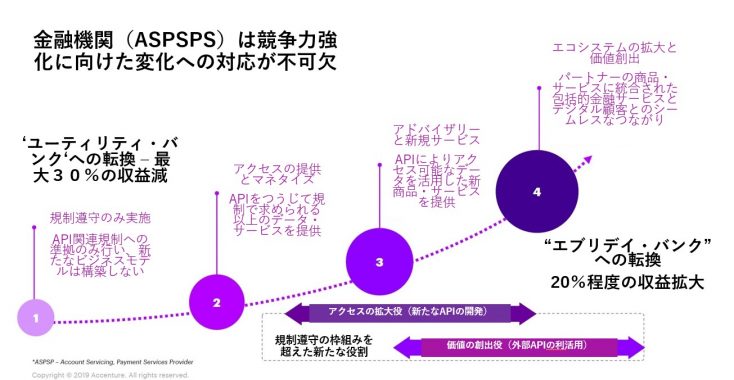
Open banking involves banks and other financial institutions exposing financial data to regulated providers that are not banks.
Data typically consists of transaction history, account information, and product and service-related data.
This practice requires banks to extend data to other providers using APIs (application programming interfaces).
What is an API?
An API acts as a software intermediary that allows two programs to communicate with each other.
Simply put, open banking means using open technologies or APIs to securely flow consumer financial data between different financial services or platforms.
Additionally, open banking allows customers to easily compare and purchase financial services from different providers.
In fact, there are three key stakeholders in Open Banking:
- banks and financial institutions
- fintech companies
- customer
For example, to register for a Fintech company’s services, the platform must be able to access certain parts of its financial database. The platform communicates with banks as well and only accesses limited information if the user chooses to do so.
However, open banking has only recently become popular in the United States.
Is open banking safe?

yes. This concept may sound worrying because there are financial aspects involved, but open banking only works if you (the consumer) allow access to your data.
Additionally, banks are constantly working on developing better and more secure infrastructure to systematically flow customer data.
Unfortunately, some misconceptions surrounding open banking cite it as a ploy to allow banks to sell data easily and legally. At the same time, the intention is exactly the opposite.
As you know, Open Banking was conceived with the ultimate goal of improving financial services for customers. Therefore, we do not comply with hidden transactions that interfere with customer privacy.
But how is open banking different from traditional banking?
The main difference is that the former allows third parties to quickly access financial data, while the latter restricts access to specific people and only displays limited information.
Get a deeper understanding of how open banking works.
How does open banking work?

As we discussed earlier, open banking is streamlined by a set of APIs that allow both parties to access, use, and share information.
Reference: Create a personal API to easily retrieve consumer data.
No, you can’t do that.
As you know, governments and regulators first agree on APIs. Banks then build APIs through developers and implement them in various applications.
And ultimately, businesses and markets use them to promote their products and services to their target customer base.
Sound technical?
Let’s understand with a simple example.
Let’s say you want to track your personal finances.
Meet John! John, like everyone else, faces personal financial issues. That’s because almost all processes are manual and time-consuming, requiring multiple trips to the bank, extensive calculations, and rigorous note-taking of important details.
However, the rise of technology and digital transformation has changed the personal finance landscape. John wants something fast and high-tech that allows him to manage his personal finances from the comfort of his home.
This is where open banking comes into play. Open Banking provides an advanced and enhanced experience for managing your personal finances.
Open Banking allows John to easily check his account balances, instantly transfer money, and perform a variety of other financial activities.
Gone are the days of manual calculations and trips to the bank. Open banking has revolutionized the way we manage our finances.
Accessing your bank balances from anywhere is a simple use case for Open Banking, but there is much more to the list.
#1. cash management
Let’s be honest: Our cash is spread across multiple accounts or sources, such as savings accounts, mortgage accounts, education loan accounts, and accounts receivable.
With the owner’s permission, APIs associated with these bank accounts can help you track, monitor, and centralize your transactions, allowing your funds to grow by transferring them to relevant sources.
#2. interactive banking
Open banking is also being leveraged to provide customers with an easy-to-use banking model. AI-enabled apps can greatly enhance and easily provide a more personalized banking experience.
#3. digital check
The future of open banking will allow businesses to build open APIs that can scan checks, ensure authenticity, and process them virtually. This makes the troublesome check transfer process paperless and convenient.
#4. chatbot
An AI-powered financial advisor analyzes your financial situation and drives investment possibilities, recommendations, and more. Who would have thought that managing your finances could be this easy?
Benefits of open banking
Open banking has revolutionized the way customers make financial decisions. One of the main benefits of an open banking system is the ability to provide customers with better, faster and more secure financial services.
Older apps that required you to sign in to your bank account using your credentials posed a significant risk to your financial privacy. But with open banking, you don’t have to share your account details and you can open up to new markets for better services.
Here are some other benefits that open banking offers customers.
#1. safety
The challenge is growing customer distrust in the safety and transparency of financial institutions. But open banking systems have found a way to deal with it.
Customers now have full control over their data, choosing who can see their data. Additionally, many recent innovations ensure that safety measures are updated in line with industry policies.
In line with this, all third-party software must meet the highest security standards to operate in the market.
All of this has made end-users feel more confident about sharing their financial data with open banking companies because they know they are responsible.
#2. Improving customer experience
Unlike traditional banking models, open banking systems provide customers with faster and more secure access to credit. Moving money has never been easier: paying, investing, betting, and more online.
This improves customer experience, smoothes financial management, and ensures absolute security.
Second, open banking systems quickly address consumers’ everyday problems. It has caused a paradigm shift in consumer behavior by introducing innovative products such as buy now, pay later, on-demand payroll, and secure online payments.
The latter is forcing other companies to enhance their products and services and create better customer experiences.
#3. Improving personal finance
Open banking has made consumers smart enough to take control of their personal finances through a number of products that provide a unified view of customer data on their screens.
Previous users did not have access to such information.
But now, data sharing allows people to make more informed decisions about their investments, savings plans, and budgets.
#4. more options
Open banking systems challenge traditional banking models. This has opened the door for new players to emerge and serve customers.
This increased competition has benefited consumers as we now have more financial service providers. If you are satisfied with one company, you can look elsewhere for better terms.
Additionally, with more players entering the market, service costs are likely to come down, which is also a boon for end users.
Impact and risks of open banking
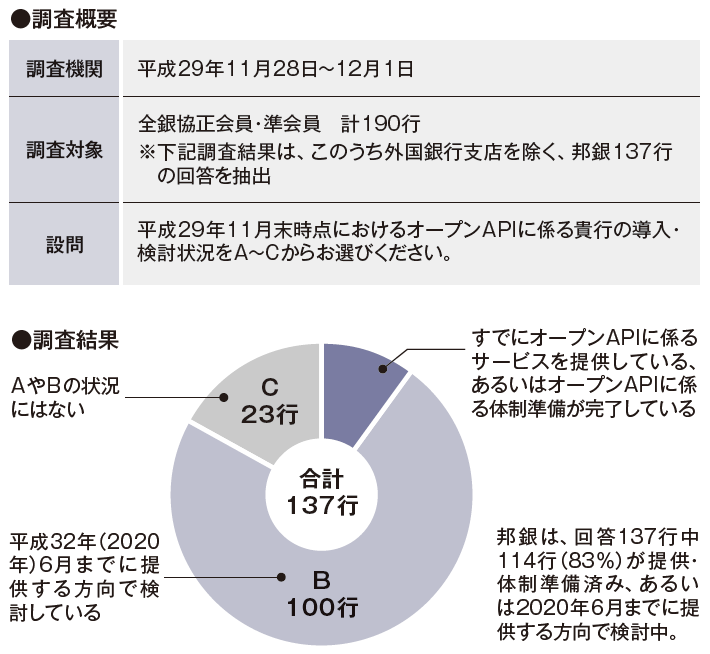
Main impact
Open banking is a potential disruptor in the financial sector, changing the way people think and plan their financial decisions.
It is solely aimed at giving people full control over their data and allowing us to share key points that will help you make better and more informed financial decisions. Masu.
Another important impact of the open banking system is that it has shaken the foundations of traditional credit models and opened new windows of opportunity for people to gain smooth credit access.
For a long time, there was little innovation in the banking sector, but thanks to open banking, people can now choose from a pool of innovative products that make their lives easier and better.
risk
After all, the risks of mishandling consumer data and money laundering in open banking systems cannot be ignored.
Open Banking puts consumers in control of their data, but may not impose obligations on a wide range of third-party companies associated with the system. This can pose a serious threat to data resale and loss of personal information.
When this situation occurs, there are no clear arrangements for resolving customer complaints. This limits the adoption of large-scale open banking systems.
Open banking frameworks have many stakeholders in building apps, providing payment gateways, and ensuring security. All of these contain large amounts of data such as financial transactions, customer account details, etc.
Cybercriminals are always looking for ways to break into these systems and steal data.
To avoid that, open banking systems must constantly upgrade their safety measures. But again, it can be difficult to avoid such scams.
learning resources
Now that you understand the basics of open banking, let’s take a look at some resources where you can drill down and learn more.
#1. Open Banking PSD2 and GDPR
Udemy’s “APIs and Open Banking with GDPR” course is a comprehensive guide to understanding APIs and open banking and how they comply with the General Data Protection Regulation (GDPR).
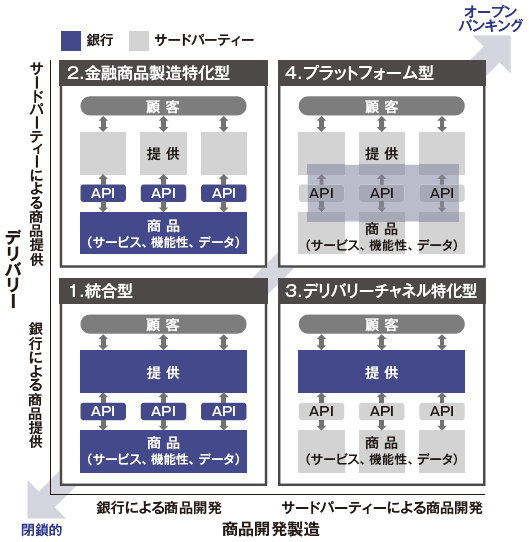
Taught by Piyush Singh, this course covers important topics such as API design and development, open banking principles, and GDPR. Practical examples and real-life scenarios are included to help students better understand the concepts.
By the end of the course, you will have a thorough understanding of Open Banking and all related concepts.
#2. Open, digital, banking of the future
This course by ICMI Learning is packed with examples from the banking industry.

It provides beginners and aspiring banks with a comprehensive roadmap to the future of banking regarding open banking, digitization, and application programming interfaces (APIs).
Additionally, you will get a very hands-on learning experience by learning about the DBS case study and how it became the best bank in the world.
#3. The future of fintech
Udemy’s “Future of Fintech” course takes an in-depth look at the latest trends in financial technology and their impact on banking, data privacy, and financial regulation.

This course covers open banking, the EU’s General Data Protection Regulation (GDPR), and the revised Payment Services Directive (PSD2).
Additionally, this course is designed for individuals interested in understanding the future of fintech and how it will shape the financial landscape.
#4. Open Banking by Linda Jen
Open Banking by Linda Jenn defines the concept of open banking from its early stages and explains how it slowly made its way from the United Kingdom and the European Union to Asia, Africa, and finally the Americas. Masu.
| preview | product | evaluation | price | |
|---|---|---|---|---|
 | open banking | $78.90 | Buy on Amazon |
This book defines the concept of ‘open banking’ and examines the key legal policy and economic issues raised by open banking.
#5. Developing an open banking strategy
Shaping an Open Banking Strategy examines the forces that can influence the evolution of open banking at an industry level.
| preview | product | evaluation | price | |
|---|---|---|---|---|
 | Developing an open banking strategy | $49.99 | Buy on Amazon |
This book is a great knowledge portal for businesses and marketers to know when is the right time to integrate open banking into their business ecosystem.
#6. Open banking regulation
As its name suggests, ‘Regulating Open Banking’ examines the regulatory approach to open banking in terms of legislation, transaction costs, public choice, and OB infrastructure.
| preview | product | evaluation | price | |
|---|---|---|---|---|
 | Open Banking Regulation (Routledge Research in Financial and Banking Law) | $59.95 | Buy on Amazon |
This book is perfect if you want a comparative analysis of open banking systems in Western and Asian economies.
summary
When it comes to financial management, open banking is transformative.
By using APIs to securely transfer financial data between banks and non-bank providers, open banking makes it easier for customers to compare and purchase financial products and services.
Fintech is becoming more popular day by day and with it, people are understanding the flexibility that open banking provides.


![How to set up a Raspberry Pi web server in 2021 [Guide]](https://i0.wp.com/pcmanabu.com/wp-content/uploads/2019/10/web-server-02-309x198.png?w=1200&resize=1200,0&ssl=1)


