Are you often confused between fog computing and cloud computing? Keep reading to clear your doubts.
Cloud computing is already a well-known concept among technology enthusiasts, but fog computing is also making a name for itself in the industry. However, the technology industry and IoT have been using them for quite some time.
Both computing models play important roles, especially in IoT architectures. Understanding the difference between fog computing and cloud computing is essential for business decision-making and implementation, as they are becoming increasingly popular.
What is fog computing?
Fog computing is a part of cloud computing, so they are interconnected. It turns out that in nature, fog stays closer to the Earth than clouds.
Similarly, fog computing brings cloud functionality closer to end users. Coined by Cisco in 2014, this term and concept is relatively new to the general public.
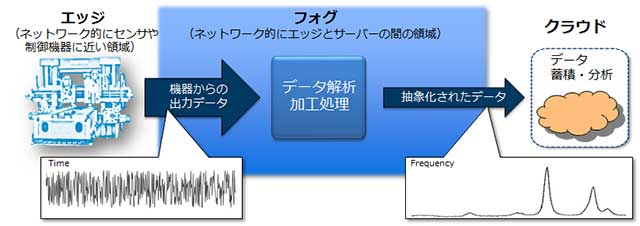
Fog computing uses separate network panels for data processing, rather than using a centralized cloud platform. This gives users access to various service provider entry points, allowing data to be stored, computed, communicated, and processed.
While cloud computing takes time to respond to each query in a timely manner, fog computing significantly speeds up the process. It is a decentralized decentralized infrastructure that uses nodes on a network for deployment.
It also acts as an intermediary, deciding what information is processed locally and what information is sent to the cloud.
Benefits of fog computing

responsiveness
Fog computing brings data storage and processing power closer to users. Therefore, companies can achieve results almost instantly.
cost efficiency
It also helps reduce data processing costs. Fog computing uses less bandwidth and eliminates the need for expensive specialized hardware at the network edge. All this contributes to a cost-effective model.
Reduced waiting time
It uses fewer hops to transfer data from source to destination. As a result, it helps reduce latency.
Security and privacy
No data is sent to cloud servers. Therefore, businesses can definitely reduce the chances of data leakage.
Improved user experience
Fog computing can also provide a better experience for end users with features such as instant response and zero downtime.
Smooth connectivity
With fog computing, you won’t experience any complaints of dropped connections. Use multiple interconnected channels to ensure optimal connectivity for any activity.
What is cloud computing?
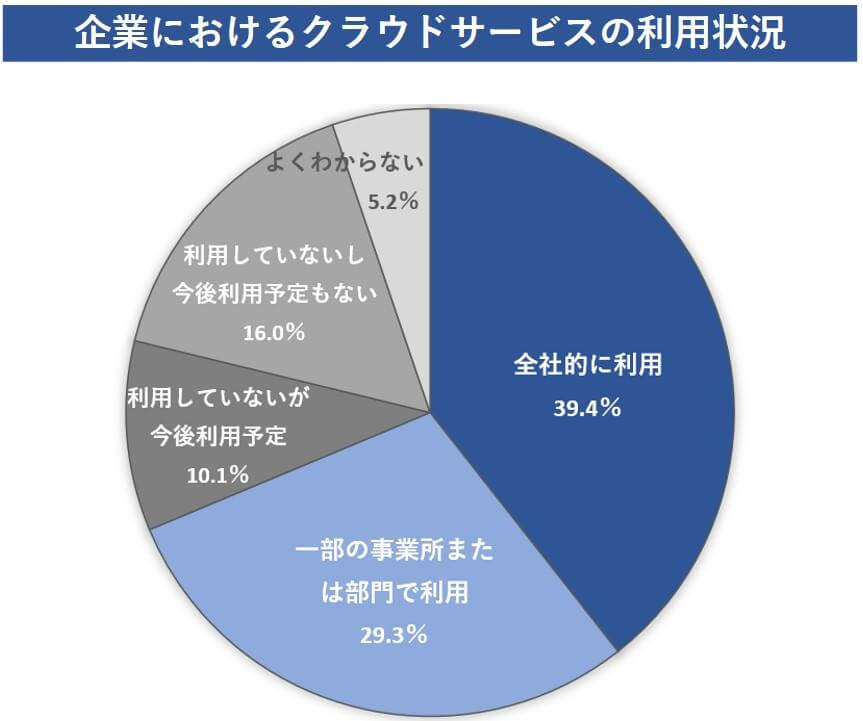
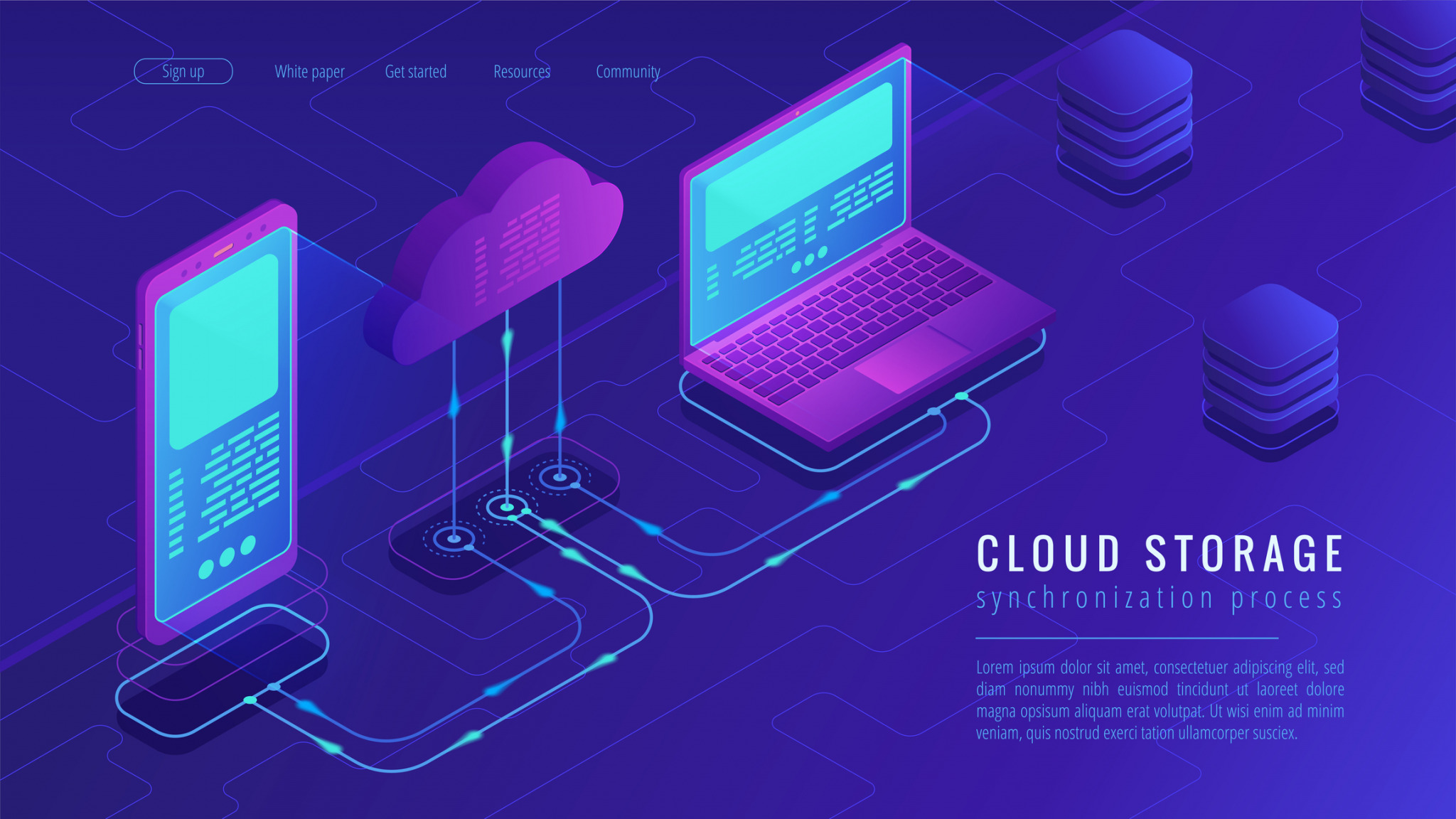
Cloud computing provides users with services hosted on the Internet upon their request. It allows you to access information regardless of your geographic location. Relies on remote servers for data processing and storage.
With this model, software and files are not stored on your local hard drive. Instead, it uses a network of connected servers to store and respond to various queries. The service is available anytime and anywhere, making it a very popular service in the fast-paced world of technology.
Not only does it enable real-time collaboration and communication, it also provides quick and easy access to data. Whether you’re sending a large file to a friend or working on the same file with a colleague, the flexibility and convenience are unimaginable without cloud computing.
Advantages of cloud computing
Convenient pricing model
To use cloud computing capabilities, businesses can choose pay-as-you-go pricing. Therefore, you only need to pay according to your usage.
Scalability and flexibility
Cloud computing allows you to scale up or down your resource and infrastructure usage depending on your requirements. This provides businesses with unprecedented flexibility.
real-time collaboration
Team and client collaboration is also an advantage of cloud-based solutions. This feature is extremely beneficial for companies with hybrid or remote teams.
environmentally friendly
Choosing cloud computing means reducing the energy consumption of your hardware. This is a great way to reduce your carbon footprint and make a positive impact.
Enhanced security
Cloud security has improved significantly in recent years. All prominent cloud service providers now offer high levels of security.
Fog computing and cloud computing
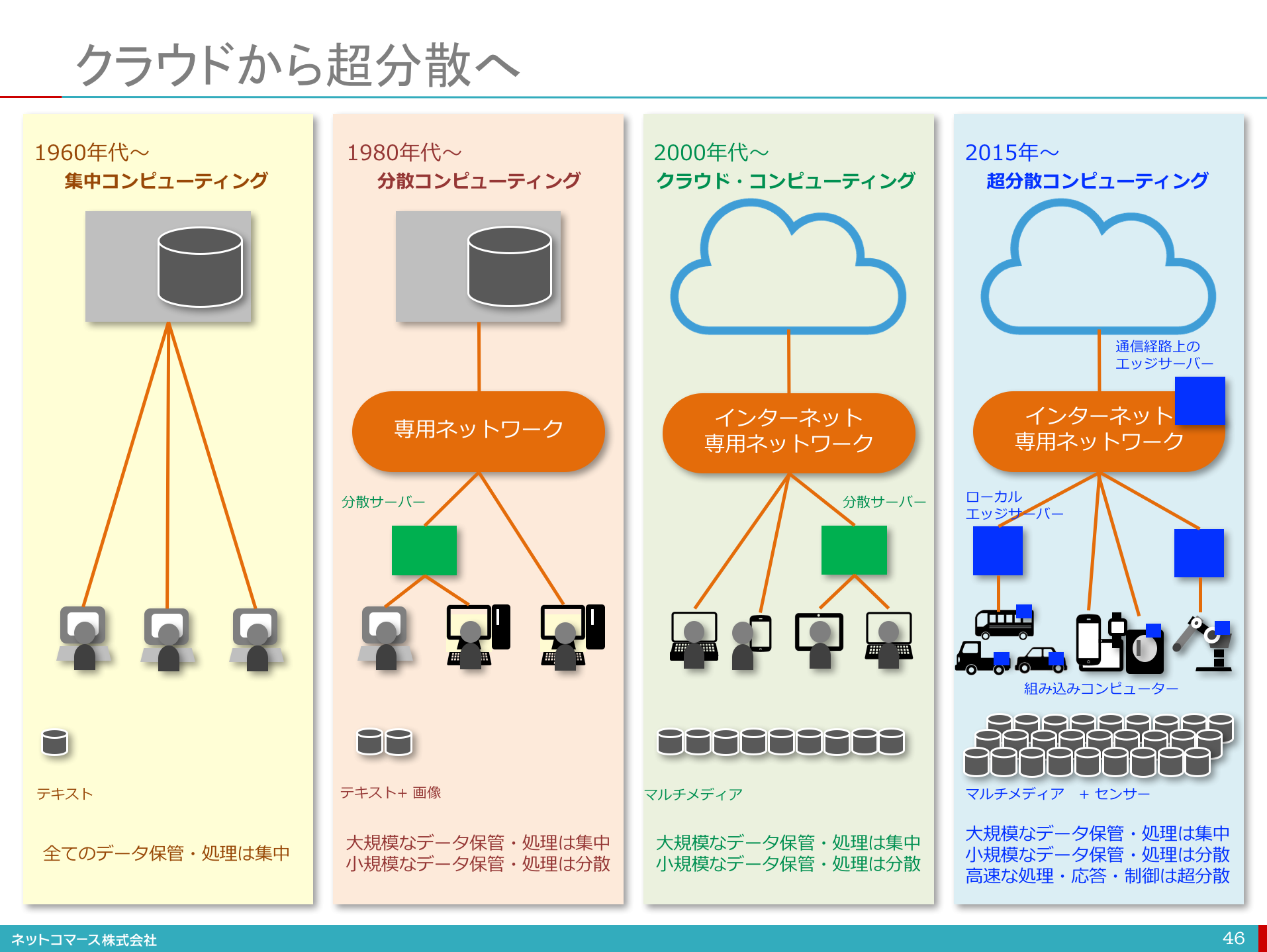
data processing capacity
The data processing power of fog computing is relatively low. Applications that require minimal bandwidth should use this.
On the other hand, cloud computing has high processing power. Therefore, it is suitable for big data analysis and complex modeling.
latency
Latency refers to the time it takes for data to travel from your device to your server/device. Fog computing reduces latency because the data doesn’t have to travel far from the device.
However, cloud computing requires sending data to a centralized server, which increases latency.
responsiveness
Fog computing relies heavily on local hardware. Response times vary depending on bandwidth limitations and latency.
In cloud computing, end users experience fast response times with the help of dedicated data centers.
safety
Fog computing uses local or distributed networks and is therefore very secure. Cloud computing also achieves high security through data encryption, etc. But at the same time, they become more susceptible to cyberattacks.
Data center location
Although fog computing can be geographically distributed, it is typically more localized and operates only from one geographical location. In contrast, cloud computing is geographically distributed because it uses a network of cloud servers located in multiple geographic regions.
Communication mode
Fog computing requires various wireless (WLAN, WiFi, 3G, 4G) or wired communications. However, cloud computing operates using IP networks.
Core network dependencies
Fog computing sees a distributed approach that leverages the edge of the network to store and process data. These include individual devices and sensors.
On the other hand, cloud computing relies on a strong and reliable core network. If the network quality is poor, data may be corrupted or lost.
server node
Due to its nature, fog computing requires the utilization of a large number of server nodes to process data. However, cloud computing uses fewer server nodes.
| standard | fog computing | cloud computing |
| data processing capacity | limited capacity | large capacity |
| latency | low latency | high latency |
| responsiveness | Varies depending on bandwidth | High responsiveness |
| safety | Improved security | Enhanced security with encryption |
| Data center location | Typically operated from one location | Currently being distributed in various locations |
| Communication mode | Use a wireless or wired network | Use IP network |
| Core network dependencies | No need for powerful network core | A strong network core is essential |
| server node | Use a large number of server nodes | Uses fewer server nodes |
Fog computing use cases in IoT
#1.Video surveillance
The most prominent application of fog computing in IoT is video surveillance used in shopping malls, streets, and other large public areas. The nodes instantly detect crowd anomalies and automatically alert authorities to any signs of violence.
#2.Smart home
Fog computing allows you to create a personalized alarm system for your home. It helps automate certain actions from smart home systems, such as thermostats, sprinklers, intercoms, and alarms.
#3.Health management
The healthcare industry constantly needs technology to detect and respond to emergencies in real time. Fog computing allows wearables, blood sugar monitors, and other health devices to proactively know about critical conditions, such as a stroke.
#4.Traffic light system
Smart traffic light systems can interact locally using fog computing. Detects the number of people and vehicles on the road, measures vehicle speed and displays warning signals.
#5.Game 🎮
Gamers can also use the fog system to play online games. Use your local game center to ensure low latency and a better experience during multiplayer online games.
Cloud computing use cases for IoT

#1.Healthcare 🩺
Cloud systems make data available to all parties, allowing them to quickly diagnose and make decisions. With the right technology, medical services can be moved into patients’ homes.
#2.Monitoring
Cloud systems play an important role in analyzing and securing video streams. It can analyze videos and send alerts to the server about suspicious people or activities.
#3.Logistics
Cloud computing can also make logistics systems smarter. Capture user demand in real time and share it with your inventory so you can respond immediately.
#4.Smart city
Smart cities require cloud computing to provide interactive and effective experiences for residents. It can contribute to public safety, tourism, transportation, and urban consumption.
#5.Environmental monitoring
Cloud systems can be used in sensitive zones such as oil rigs and industrial facilities. Share real-time information about water quality, pollution, air quality, smoke, and soil moisture with stakeholders.
#6.Power distribution
Energy distribution and management is another area where cloud computing can be used. Its sense nodes collect data and analyze it for intelligent resource utilization.
Can fog and cloud computing complement each other? 🤝
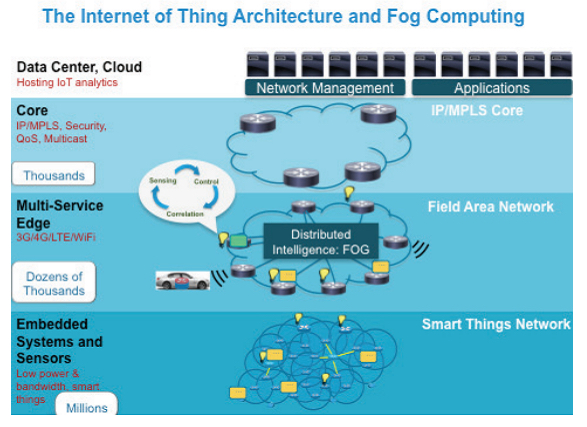
Cloud computing provides the efficiency needed for modern applications. Additionally, it facilitates real-time communication for personal and business purposes. However, it cannot address challenges such as high bandwidth and low latency.
Fog computing, on the other hand, has the answer to these problems. However, this has its own limitations, with local backup, redundancy, and communication typically limited to devices within a limited coverage area.
The good thing for users is that fog and cloud computing can complement each other. By merging these two solutions, you can create new communications and experiences.
For example, imagine you have a connected vehicle network. Through fog computing, cars can transmit road condition data and share potential hazards directly with nearby drivers.
At the same time, the vehicle can transfer data via the WAN to a central cloud server and alert other drivers who may choose a particular route to reach their destination.
These two services can complement each other, but neither service can be substituted for the other. Fog and cloud computing allow connected devices to be further optimized in terms of data collection, storage, and processing.
summary
We’ve covered the basics of fog computing and cloud computing. We then discuss how these two can be implemented with IoT.
After reading this article thoroughly, you can easily tell the difference between fog and cloud computing. It is also possible to implement both models together.
Also check out our article on utility computing.


![How to set up a Raspberry Pi web server in 2021 [Guide]](https://i0.wp.com/pcmanabu.com/wp-content/uploads/2019/10/web-server-02-309x198.png?w=1200&resize=1200,0&ssl=1)


