Technology makes our lives better and faster. The Internet of Things (IoT) is one of them. Without a doubt, IoT has lived up to its hype.
Between 2014 and 2019, IoT technology increased from 13% to 25%. According to a McKinsey report, there will be 43 billion IoT-enabled devices in use by 2023.
The growing field of IoT has opened up a whole new world for skilled engineers and professionals. Because demand is increasing, the gap between demand and supply is getting wider.
The study found that as many as 47% of companies surveyed by Immersat Research had to outsource IoT projects because they did not have the right talent to carry them out.
According to (ISC) 2 , 75% of all IoT projects fail due to technical and business challenges.
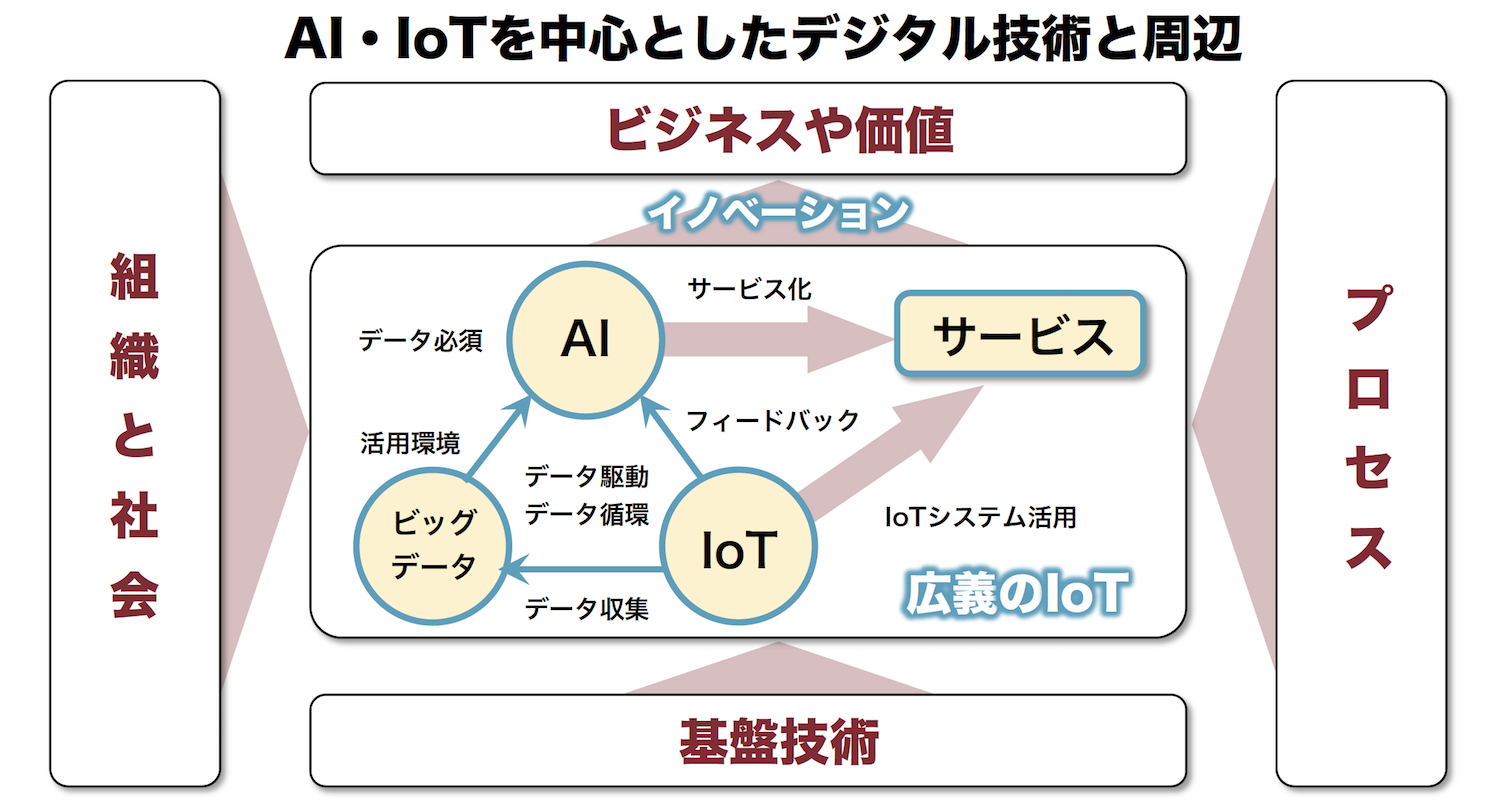
Is IoT the right career choice?
Over time, the world changes in every way, especially in technology.
One decision you make today can have a huge impact on your entire future. Therefore, it is important to think about the challenges and benefits of a career before making a decision.
The Internet of Things (IoT) has made it easier for businesses to capture data, make smarter decisions, and provide the best services and products to their customers.
Today, most people work online and rely on data from their businesses and organizations’ IoT devices. Internet of Things data is analyzed very carefully so that it is used to help our clients in the best possible way.
IoT experts and professionals are in high demand and will start finding good jobs quickly.
There are career options in IoT for those who want to showcase their skills and help companies improve customer service.
So how can you start a career in the IoT field?
Let’s take a closer look.

Skills for IoT developers
IoT jobs are suitable for people who are good at thinking of new ideas, want to work in an exciting place, and want to learn new skills in IoT.
IoT is a great field for academics who want to contribute to improving the technology.
However, becoming a “deep” IoT technician is not easy, as learning one platform or skill set is not enough.
- Consider learning to code in different languages, such as Python or embedded C/C++. You can also find online IoT courses and free IoT courses with certificates offered in various software programming languages.
- Knowledge of the Linux operating system and how it works will be helpful.
- Anyone who wants to learn about Linux can start by taking courses on Linux Foundation Udemy and Coursera.
- It is best to use a stack such as Thread, BLE-Mesh, or Zigbee.
- You should also be good at writing logic for embedded systems using RTOS or non-RTOS fundamentals and test-driven methods.
- Must be familiar with communication protocols such as SPI, I2C, 1-wire, MODBUS, UART, and DALI.
- You also need excellent problem-solving, communication and analytical skills.

IoT training and certification
Let’s say you want to learn how to become a master of IoT. There are many government and private training providers offering IoT certification courses.
Earning a certification increases your chances of getting hired by a great organization or company.
You can learn about the building blocks of IoT from platforms like Coursera .

Choose a career in IoT
There are no hard and fast rules for entering this field. You can earn a bachelor’s degree in IoT from some universities or specialize in computer science with a major in IoT.
However, it is better if you are an engineer specializing in IT, computer science, electronics, or electrical.
To start a career in the IoT field, people who want to work in this field need to know the following:
data analysis
This is an essential skill because you need to be good at statistics, find correlations, and present results in an appropriate way.
You will also need to know how to work with statistics-oriented languages, Python libraries, etc. It’s good for companies to have people with these skills.
network system
Setting up hardware for IoT projects can be difficult, with a large number of wires and sensors connected to various ports and peripherals. If one wire or connection breaks for any reason, it will not work.
This requires a network architect, so you need to hire one. Experts responsible for network configuration and network management ensure that all connections work properly.
They must know how to build strong network architectures that are safe from many wiring problems and work well with any communication protocol.
safety
Protecting people from hacking and data theft is one of the most important issues on the Internet.
Over time, IoT solutions become less secure than they once were, leaving your data at risk.
Therefore, one of the jobs in the Internet of Things is to ensure that devices are secure. People working in this field regularly conduct tests that challenge the integrity of the system in a variety of ways.
It also looks for and fixes security flaws that prevent the system from functioning, ensuring that IoT devices are smooth and secure.
To get a job in this field, you need to know about security vulnerability assessment, public key cryptography, and how to keep wireless networks secure. If you want to learn more about cybersecurity, this is a great place to start.
user interface
Although these IoT jobs look easy to design, they require a lot of creativity because the UI is what sells the product in the marketplace.
This job is easier to design than the above jobs. The average customer doesn’t care about a device’s capabilities as long as it’s easy to use.
Users choose based on comfort. One thing that sets your IoT product apart is having an attractive and eye-catching UI that your customers can use and understand.
Previously, computers worked with a black screen and were used only by specially trained people. The rise of the Internet has made these devices more accessible to the general public.
It’s even easier to use than before, and the appearance has changed. As a UI developer, your job is to use your creativity and design skills to give your users the best possible experience. You need to put yourself in the customer’s shoes, understand their needs, and respond to them.
hardware and devices
Many things make a device “smart”. Do you have any devices connected to the network and working?
That’s not all.
Organizations must modify devices to work with and fit into their networks. Although it is mainly a combination of sensors and transmitters, it is currently one of the essential jobs in the IoT industry.
To do this job successfully, you’ll need to work with a variety of sensor modules, protocols, transmitters, and integrators. You also need to stay up-to-date on the operation of new devices and technologies that are becoming more popular.
sensors and actuators
This job requires a lot of knowledge about hardware and devices.
You need to know how to set up the right sensors or actuators for the job and ensure they meet your system’s design specifications and power needs.
If you’re hired, you’ll also need to keep experimenting with different tools to find the best fit for each job. You also need to stay up to date with the industry and research many other technologies.
If you want to do it as a hobby, you can buy a set of sensors and start with small projects before progressing to the professional level.
artificial intelligence
If your job involves analyzing large amounts of data and drawing conclusions, AI and machine learning skills will be essential.
If you want to create applications that handle a lot of data well, AI and ML technologies will help you in the long run. Job seekers need to know how algorithms in AI, ML, and other fields work and plot libraries to quickly and efficiently display data.
Career opportunities in IoT
We’ve talked about what you can do in different niches if you think the Internet of Things is going to be a big thing in the future.
If you work in the IoT field, you can wear many hats. Now let’s talk about them.
IoT developer
They create software for specific IoT applications. Another job IoT developers do is create algorithms that help analyze and manage data.
IoT Embedded Program Engineer
The job of an IoT embedded designer is to help IoT-connected systems communicate over IoT networks. Sensors, microprocessors, and applications are all part of these systems.
Embedded systems designers also use Python and C++ to write device-specific software. They work closely with the hardware to make sure the software works properly.
IoT architect
This job is all about creating an IoT strategy and architecture from start to finish. An IoT architect’s job is to understand and document the state of an enterprise’s IoT.
They create architectures that meet current and future needs. Building an end-to-end IoT solution requires learning about various technologies. These include sensors that collect data and assimilate it with enterprise systems.
IoT safety engineering
You are responsible for ensuring that the IoT technology created is safe from hackers attempting to take control. You need to know how to perform a penetration test and be aware of the loopholes you can find.
IoT solution engineer
They work with customers to determine what they need and create IoT networks and solutions that fit sensors, wireless technology, and other components.
conclusion
The IoT job opportunities available today were previously unthinkable. There are currently many fields to choose from. You can work on security, design UI, design sensors, and more. And the opportunities are increasing!
You can also consider an even more exciting career in software engineering.


![How to set up a Raspberry Pi web server in 2021 [Guide]](https://i0.wp.com/pcmanabu.com/wp-content/uploads/2019/10/web-server-02-309x198.png?w=1200&resize=1200,0&ssl=1)


