Android smartphones have been subject to numerous malware attacks over the years. The latest addition to this malware problem is ‘Judy’, which has reportedly affected more than 36 million Android devices to date. Judy is malware found in around 50 apps present on the Play Store. It contains code that redirects infected devices to targeted websites and generates fraudulent ad clicks. As of this writing, Google has removed the affected apps from the Play Store. However, with the recent WannaCry ransomware attack on Windows and now the Judy attack on Android, users are paying more attention to security than ever before. Although Android as an OS itself is very secure, the openness of the platform can be exploited to infect your device with malware. If we, as users, are informed and use our devices wisely, we can minimize our chances of being attacked by malware. To make your life easier, we’ve created a list of things you should do to protect your Android device from malware.
1. Install apps only from trusted sources
One of the biggest reasons why Android is attacked by malware is because users download apps from untrusted sources for various reasons. Whatever the reason behind this, stop it immediately if you want to keep your device safe. It is very easy for an attacker to embed malware inside the APK file of a cracked app .
As a rule of thumb, only install apps from the Google Play Store. Even if the app you want isn’t available on the Play Store, try looking for alternatives first. With over 2.8 million verified apps on the Play Store, it’s highly unlikely that you won’t find a suitable alternative. If you need to download an app outside of the Play Store, be sure to do your due diligence and only download apps from verified and trusted sources.
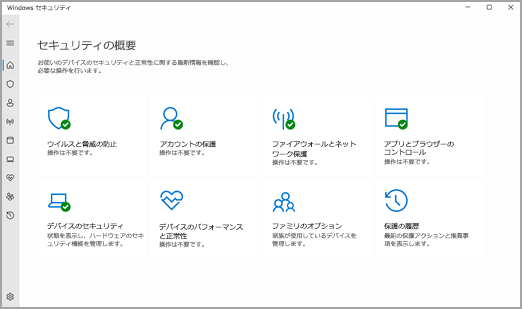
Manage settings
To prevent the accidental installation of apps from untrusted sources , manage their permissions in the settings menu. Go to the Settings menu and tap Security. Locate and disable the option to allow installation of apps from unknown sources.
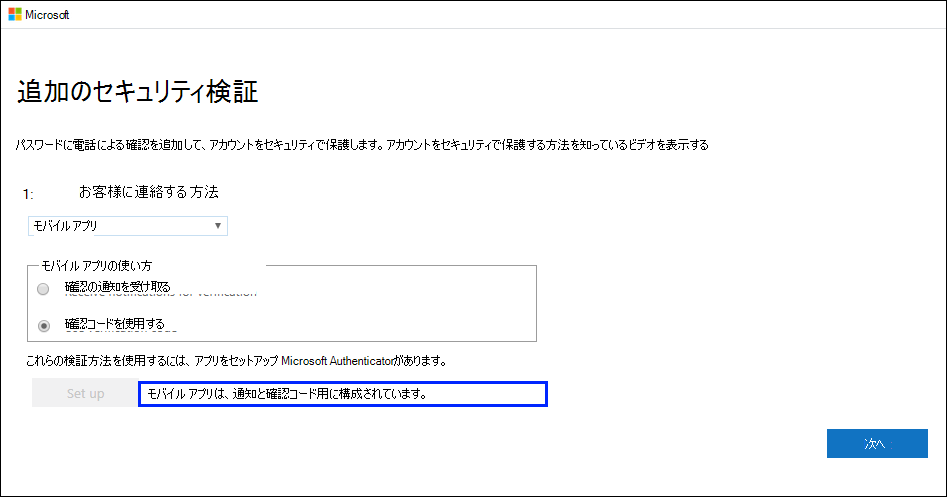
Read app description and user reviews
At the 2017 Google I/O event, Google scanned more than 1 million apps every day to keep the Android platform secure, including apps available on the Play Store and apps installed on users’ devices. I made it clear that I was doing it. However, some apps are still able to pass Google’s review process. The latest example is an app containing the “Judy malware.” For this reason, you need to be a little careful even when installing from the Play Store. Avoid apps that are less well-known or have a lot of negative reviews. Also, if you’re trying out a new app, read its description and make sure it’s from a verified developer.
Know app permissions
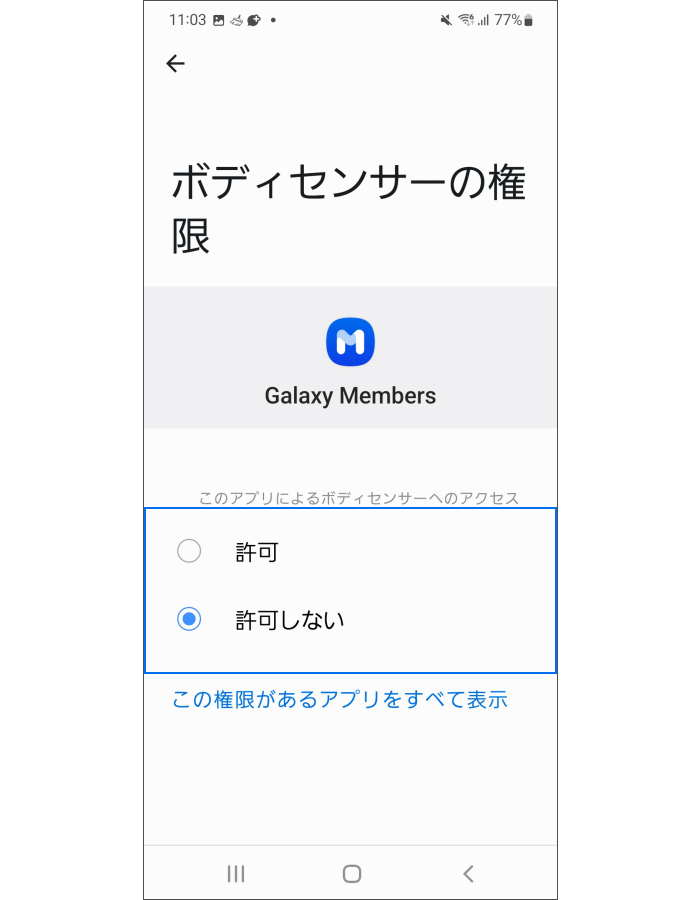
Since the release of Android Marshmallow (6.0), Google now allows you to see and manage the permissions required by apps running on your device. Permissions include access to device hardware such as cameras, sensors, and storage. Some apps require these permissions to function properly, but this isn’t true for all apps.
For example, a simple text editor app doesn’t need access to the camera. When installing a new app, check the requested permissions and only grant the permissions that the app really needs. To manage permissions for installed apps , go to Settings > Apps > App permissions .
2. Don’t use pirated apps or files
Piracy is unethical and illegal. However, we are not here to discuss its legitimacy, but rather to tell you that pirated apps and files come with their own associated risks. As mentioned earlier, cracked APKs of apps can very easily contain malware. The same applies to pirated files such as audios, PDFs, videos, etc. If you are downloading pirated apps and files, it is only a matter of time before your device becomes infected. Therefore, it is in your best interest to stay away from them.
3. Do not access personal/sensitive data on public WiFi
Public WiFi networks let you browse the internet and stay connected on the go without using up your mobile data. However, when using a public WiFi connection, you should keep in mind the fact that it is not as secure as your home or office WiFi. It’s very easy to access your browsing data when you’re connected to a public WiFi network . Therefore, never access private/sensitive content on public WiFi networks. So next time you go to Starbucks, don’t check your bank account there.
4. Stay away from suspicious links
This seems simple, but many people fall for it. Don’t be a tap-friendly user and open links you can touch with your thumb. Malicious links can redirect you to websites that contain malware or viruses . Only open links that come from verified sources. Some malware can automatically send messages or emails from an infected device, so even if a friend texts you a link, ask before opening it.
5. Keep your phone updated
Google releases monthly security patches for the Android platform. Your device’s update status will vary depending on your OEM, but be sure to install all available updates and security patches on your Android device as soon as they’re available. Security patches close security loopholes that Google discovers over time. If you don’t update immediately, you risk getting your device infected.

6. Install third-party antivirus and anti-malware apps
If you followed all the steps above, you don’t necessarily need a third-party antivirus app. However, there is no such thing as perfect security. If you need an extra pair of eyes to strengthen your device’s defenses, you can install a third-party antivirus or antimalware app. There are many great third-party antivirus apps out there, so you may need to look into the specific features of each to decide which one is best for you.

360 Security – Antivirus Boost is one of the best available on the Play Store right now. It’s completely free and comes with lots of useful features. In addition to providing real-time protection, it can also scan your device and installed apps for malware and viruses . It also has a built-in junk cleaner and app lock, as well as anti-theft features that allow you to remotely wipe your device if you lose it. Overall, this is a great app and will meet most of your needs when it comes to antivirus software.
See also: How to protect your PC from WannaCry ransomware
Learn how to protect your Android device from malware
You may have noticed that most steps require you to be aware of usage patterns. Because Android is really safe from a malware perspective as long as you don’t leave it open. Your common sense will go a long way in protecting your device from infection. Think twice before downloading an app or opening a link that doesn’t come from a trusted source. In any case, be sure to keep a backup of your data, as nothing is completely secure.
By keeping in mind the points discussed in this article, you can significantly reduce your chances of getting infected with malware. We hope this article helps you make your Android device more secure. If you have anything you would like to add to this list, please mention it in the comments.


![How to set up a Raspberry Pi web server in 2021 [Guide]](https://i0.wp.com/pcmanabu.com/wp-content/uploads/2019/10/web-server-02-309x198.png?w=1200&resize=1200,0&ssl=1)


