There are probably few people who have not heard of cloud computing.
If you work as a systems administrator or infrastructure engineer and want to learn about the cloud (and you should), here are some basic ideas to get you started:

Why cloud computing?
is one of the first questions you can ask yourself.
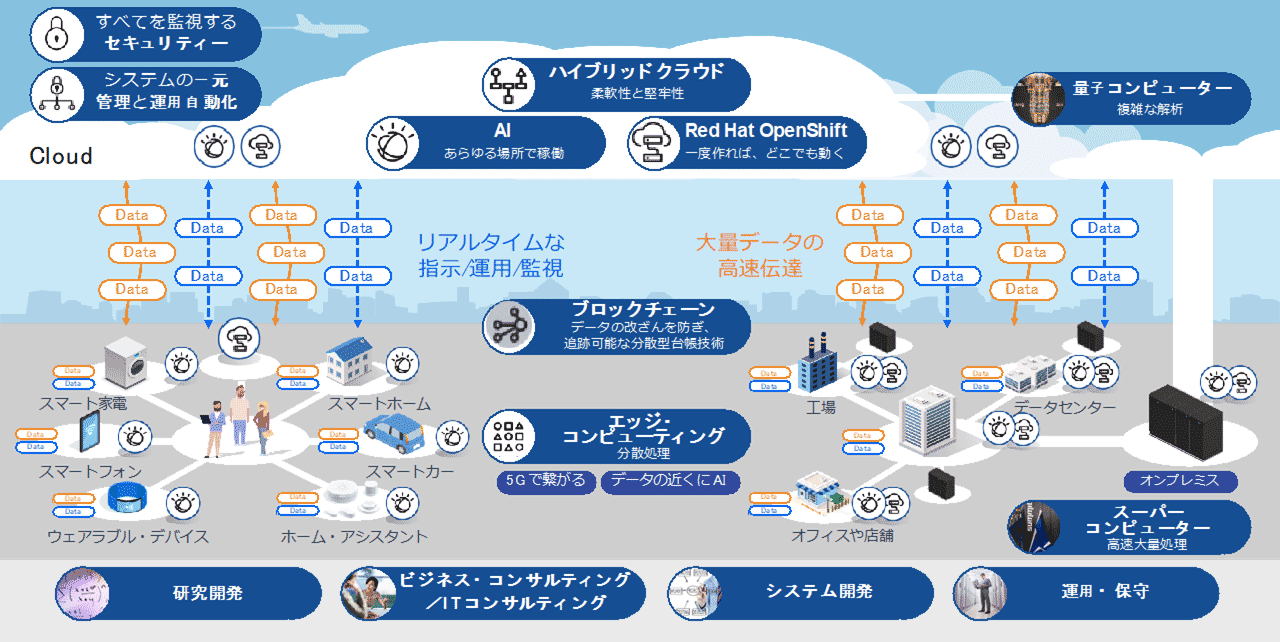
Now let’s say cloud computing doesn’t exist and you want to host your website, develop and prepare all the pages of your website on your laptop, and publish it.
The first thing you need to do is purchase physical server hardware and host it in a data center with a public IP address. Next, you need to install an operating system on your server and web service to run your website.
Now you’re ready to publish your website, but the problem is that you’ve already invested a lot of time and money to make your site available on the Internet.
From purchasing the server hardware to hosting it in a data center, the process can cost anywhere from a few thousand dollars and take days to weeks.
This was the situation 10 to 15 years ago.
Cloud computing eliminates the need to purchase new server hardware. Instead, you can rent as many as you need. Rental periods can be as short as a few minutes.
Second, you don’t have to manage operating systems or web services. Managed by cloud service provider.
A button will appear to upload your website content, and once the data is uploaded, your website will be made publicly available.
This process costs a few dollars and is ready in minutes.
For example: Get started with DigitalOcean for just $5 per month.

Easy life . Isn’t it?
What is cloud computing?
Cloud computing is the process of accessing different types of resources over the Internet.
For example, if your data is growing, you need to buy larger disks to store your data and carry it with you so that it is available whenever you need it.
However, with cloud computing, you can rent cloud storage and access it from any device connected to the internet. You will also be charged for the storage you use.
Similarly, you can purchase infrastructure services on demand and scale up or down as needed.
Types of cloud computing
There are three main types of cloud computing available today.
- public cloud
- private cloud
- hybrid cloud
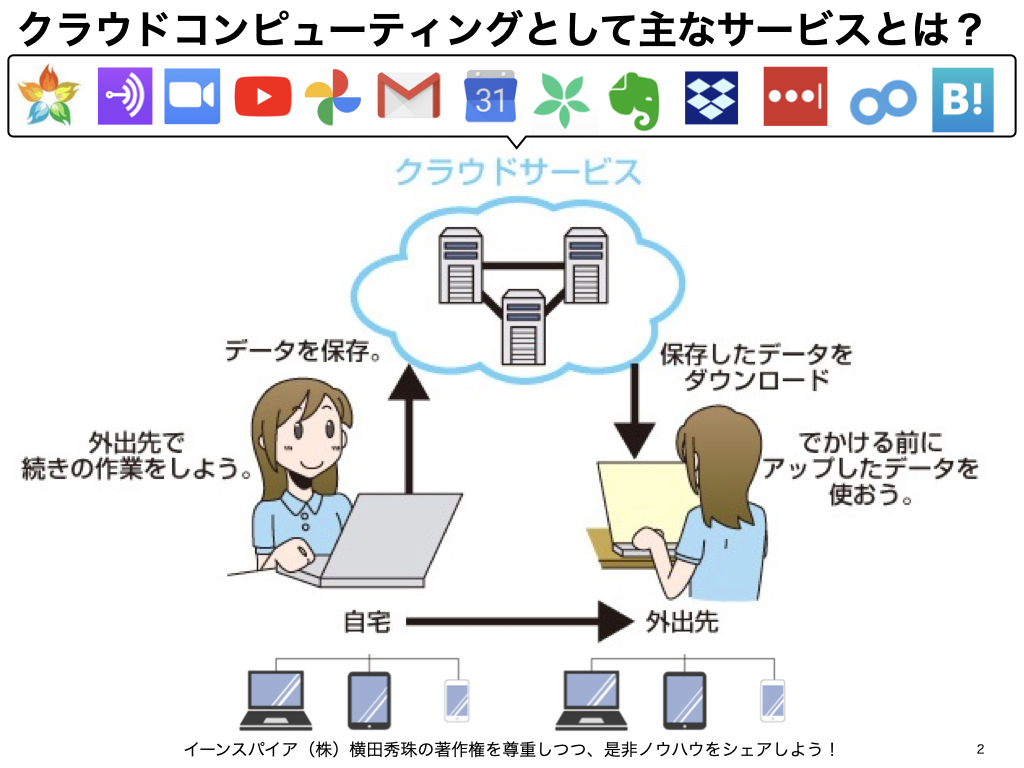
Public Cloud – A standard cloud computing model in which a service provider’s resources are shared among various clients.
For example, if you rent 10 GB of public cloud storage, the requested disk space is logically divided into smaller parts and distributed across multiple users separated to be private across different clients. from a larger portion of the storage device. .
advantage
- Scalable: Resources can be increased or decreased on demand.
- Reliability: High availability model, no single point of failure
- Cost-effective: Pay only for what you use.
disadvantage
- Shared resources: Not reliable privacy
- Security: Not for personal or sensitive information
Private Cloud – As the name suggests, a private cloud has all the resources dedicated to your application. It can be from a cloud service provider or from your company’s data center.
You have complete control over the security and privacy of your data. Private clouds provide an additional layer of protection for handling sensitive information.
advantage
- Improved security: Resources are private and not shared with anyone.
- Reliability: Improved performance
- Quality: Performance comes with quality.
disadvantage
- Expensive: More expensive than public clouds and requires IT expertise to manage.
Hybrid Cloud – A combination of public and private clouds.
You can host public services in the public cloud and sensitive data-related services in the private cloud.
It offers the highly flexible and comprehensive benefits of both models.
advantage
- Scalable: Services can be extended from public cloud to private cloud based on demand.
- Cost-effective: You don’t need to set up 100% of your infrastructure for your private cloud
- Security: Keep sensitive processes running in your private cloud.
- Flexibility: Choose your cloud infrastructure.
disadvantage
- Security: The chances of security being compromised through the public cloud are small.
We hope that you understand the above.
Read about different cloud service models.
If you’re interested in learning about cloud computing, the good news is you can get started with Udemy’s free online courses or paid courses .


![How to set up a Raspberry Pi web server in 2021 [Guide]](https://i0.wp.com/pcmanabu.com/wp-content/uploads/2019/10/web-server-02-309x198.png?w=1200&resize=1200,0&ssl=1)


