In this digital age, new buzzwords and terms emerge almost every day. One such term is cognitive computing, which is becoming very popular among individuals and organizations.
Cognitive systems learn human behavior and reasoning at scale and interact naturally with humans. Simply put, it is a field of computer science that aims to create intelligent machines that can learn, reason, and understand like humans.
According to statistics, the cognitive computing market, valued at $25.6 billion in 2021, is projected to reach $269.4 billion by 2030, at a CAGR of 29.7.
Cognitive computing platforms combine machine learning (ML), natural language processing (NLP), inference, human-computer interaction, speech and visual recognition, and more robust technologies to simulate human thinking and interaction. and improve decision making.
In this blog, we will explore more about cognitive computing. Let’s take a look at its mechanism, benefits, risks, etc.
So read on to learn about this rapidly growing technology.
What is cognitive computing?
Cognitive computing is a set of discrete technologies that perform specific tasks to enhance human intelligence.
Simply put, cognitive computing is a system that understands and interprets large amounts of data and uses them to make decisions, solve problems, and improve business outcomes.
Process vast amounts of unstructured data such as images, text, and videos to extract valuable and important insights and better analyze this information. The best thing about cognitive computing is that it learns and adapts from experience, improving functionality and performance over time.
Therefore, cognitive computing helps humans make better decisions. Important applications of cognitive computing include:
- fraud detection system
- voice recognition
- face detection
- virtual assistant
- sentiment analysis
- risk assessment
- recommendation engine
Therefore, organizations can make better-informed business decisions by leveraging intelligent insights and recommendations generated through cognitive computing.
How does cognitive computing work?
Cognitive computing combines cognitive and computer science to create computer systems that understand and learn natural language and reasoning to make human-like decisions.
In this process, cognitive computing uses various advanced technologies such as NLP, ML, data mining, pattern recognition, and computer vision to mimic human-like cognitive processes.
The long-term goal of cognitive computing is to facilitate the creation of automated IT models that can solve problems without human intervention.
Learn more about how cognitive computing works.
- Data ingestion: A step in the cognitive computing system process is the collection and ingestion of vast amounts of unstructured and structured data from multiple sources such as sensors, databases, social media, and the web.
- Natural language processing (NLP): Cognitive computing systems ingest data and use NLP algorithms to extract context and meaning from the data and understand human language, including syntax, pragmatics, and semantics.
- Machine learning (ML): Cognitive computing systems use ML algorithms to learn from extracted data and design models of problem domains. This involves training the system on large amounts of data, analyzing its performance, and continuously improving the model based on feedback.
- Inference algorithms: Once cognitive computing has built a model, it uses inference algorithms to perform data analysis and make decisions based on the model’s knowledge. This process involves using the built models to reason with new data and information, identify patterns, and make decisions.
- Predictive analytics: Cognitive computing systems evaluate the accuracy of predictions and adjust algorithms and models to continuously learn and improve performance based on new data and user feedback.
- User interaction: Cognitive computing systems provide user interfaces that make it easy for users to interact with the system using NLP and receive recommendations and insights based on the system’s analysis and reasoning.
Cognitive computing therefore combines all advanced technologies to create systems that interact intuitively and more naturally with humans, facilitating complex decision-making based on a deep understanding of data.
Key features of cognitive computing
Cognitive computing provides these important attributes and capabilities to understand unstructured information and facilitate complex human decision-making.
- Adaptive learning: Cognitive computing systems must be adaptive and able to rapidly learn changing information in response to evolving requirements and goals. Process ambiguous, dynamic data in real time and respond to the needs of your surrounding data.
- Interactivity: HCI or human-computer interaction is a key component of cognitive machines. Users must interact with cognitive computing machines and define their changing needs. Additionally, cognitive computing must also interact with other devices, processes, and cloud platforms.
- Stateful and iterative: Cognitive computing systems must identify problems by acquiring additional data and asking questions when queries are incomplete or ambiguous. CC systems achieve this by maintaining data and information about similar situations that have occurred previously.
- Context: Cognitive computing systems must be able to easily identify, understand, and extract contextual information such as time, domain, location, requirements, user profiles, goals, and tasks. They draw information from several sources: structured and unstructured information, and sensory, visual, and auditory data.
Benefits of cognitive computing
Key benefits of cognitive computing for businesses include:
#1. Improved data collection and interpretation
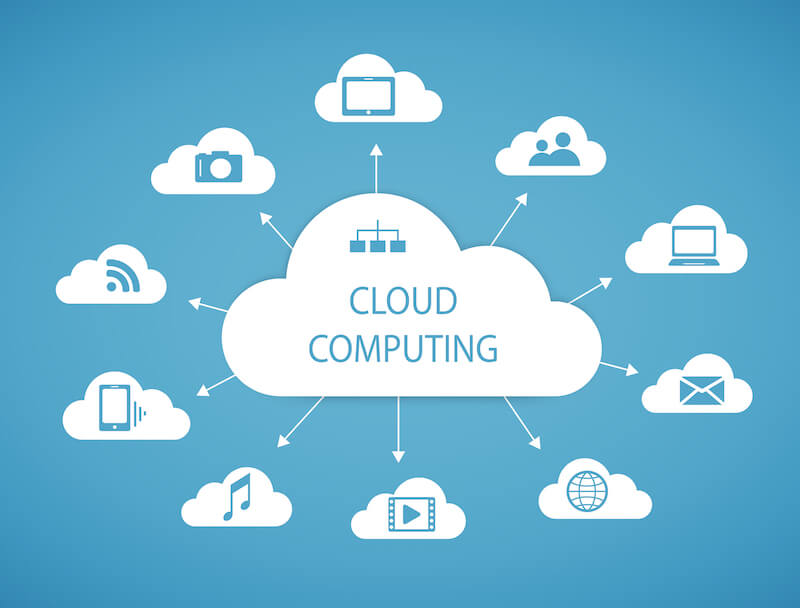
One of the biggest benefits of cognitive computing is that it analyzes vast data patterns and mimics human behaviors such as learning and inference, and interpreting structured and unstructured data.
This analysis is used to improve visibility into internal processes, increasing customer preference, loyalty, and how products and services are received.
#2. Error detection and troubleshooting

Applying cognitive computing concepts to technical environments makes it easier to accurately and quickly detect problems and fraud in business processes and discover business solutions and opportunities.
#3. Informed decision making
Cognitive computing’s data collection and analysis capabilities enable more strategic and informed decision-making, resulting in smarter financial decisions, more efficient business processes, increased efficiency, and cost savings. reduction will be achieved.
#4. customer retention
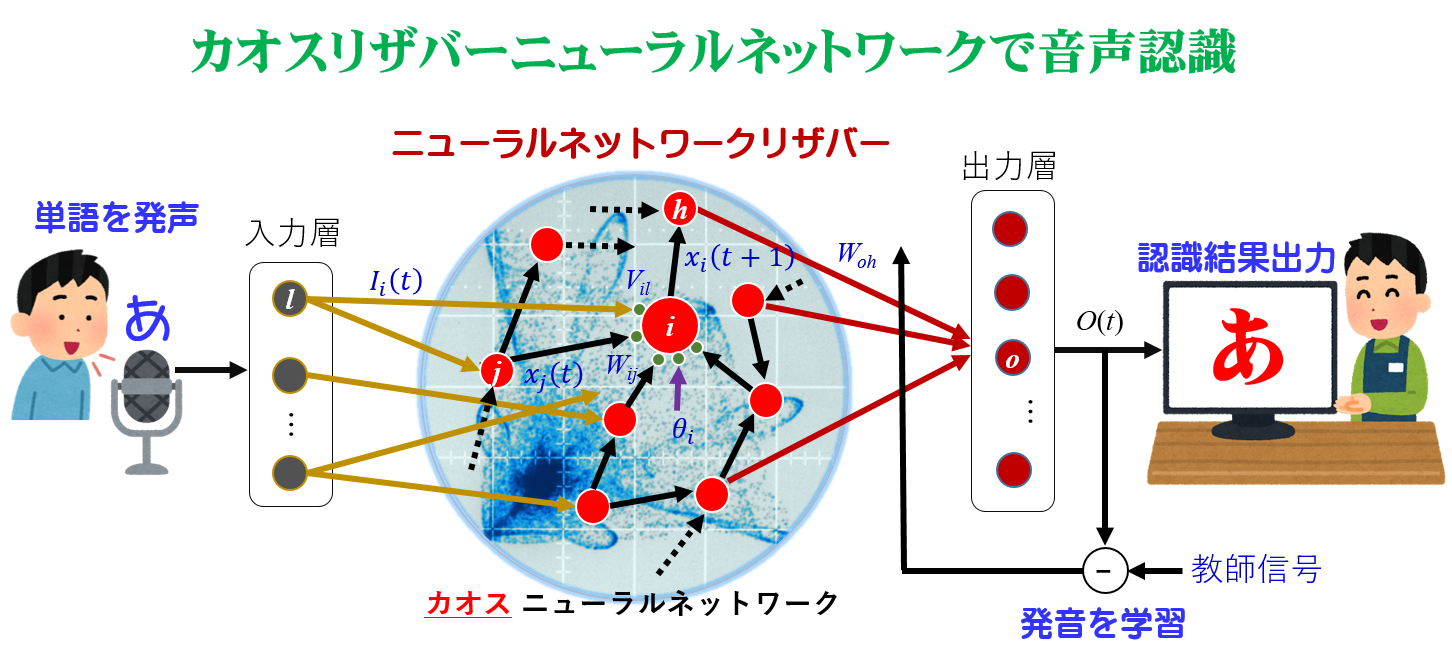
Cognitive computing provides a more informed and useful customer-to-technology experience, increasing customer interaction and satisfaction, and improving customer retention.
#5. Improving cybersecurity
Cognitive computing can enable businesses and businesses to leverage advanced analytical tools and technology to identify and respond to cybercrime activity and online threats in real time.
Cognitive computing improves business cybersecurity by:
- Advanced threat intelligence
- Real-time threat detection
- Predictive analytics
- behavior analysis
- Automated incident response
Therefore, cognitive computing capabilities can help enterprises proactively prevent cybercriminal activities and reduce potential security threats and damage to their business.
#6. Enhance employee collaboration
Cognitive computing helps businesses and businesses improve employee collaboration and enable teams to work more efficiently by providing insights and information.
How can cognitive computing enhance human expertise?
In certain fields, humans can fail to analyze large amounts of data and problems that are not so obvious to humans.
Here, cognitive computing plays a more important role by augmenting human expertise by providing advanced analytical technologies that drive better business outcomes.
Here’s how cognitive computing can enhance, accelerate, and extend human intelligence and expertise.
- It understands human natural language through sensory data, interacts naturally with humans, and provides accurate and unbiased advice on problems.
- Use data-driven insights and analytics to quickly identify potential risks and empower humans to make better decisions based on evidence and facts.
- It helps humans deal with complex problems and solve the root causes while developing appropriate solutions .
- Help improve operational efficiency by providing progressive support for people and businesses.
- Cognitive computing automates routine, repetitive tasks, freeing up human resources to focus on more complex tasks that require human expertise and unique skills.
- It helps personalize the human experience by analyzing human behavior patterns and preferences to provide highly personalized recommendations and suggestions .
Now, many claim that artificial intelligence and even AI technology can help automate repetitive processes, improve personalization, and make human life much easier. So how exactly is cognitive computing different from artificial intelligence? Let’s find out.
Cognitive computing vs. artificial intelligence
Although the technologies behind artificial intelligence and cognitive computing are similar, they differ in concept, focus, and functionality.
The basic differences between cognitive computing and artificial intelligence are:
| artificial intelligence | cognitive computing |
| A fundamental use case for AI is to implement optimal algorithms and augment human thinking to solve complex problems. | Cognitive computing, on the other hand, focuses on mimicking human behavior, intelligence, and reasoning to solve complex problems. |
| AI systems learn from data to find patterns, make predictions, uncover hidden information, and take action to find solutions. | Cognitive computing systems analyze large amounts of data and understand and simulate natural human language and reasoning to find solutions to problems. |
| AI systems perform tasks that require human intelligence, such as speech recognition, visual recognition, natural language processing, and decision-making. | Cognitive computing systems use models and algorithms inspired by the way the human brain works, such as deep learning and neural networks. |
| AI systems make decisions on their own, minimizing human intervention and role. | Cognitive computing complements data and information to facilitate human decision-making and problem-solving. |
| AI is primarily used in finance, banking, healthcare, security, manufacturing, and retail. | Cognitive computing is primarily used in customer service, industrial, and medical fields. |
Cognitive computing is therefore a more specific approach to artificial intelligence that emphasizes human-like reasoning and interaction.
Because cognitive computing uses evidence-based information to make context more situational, this new-age technology is expected to be the next big thing in the world of intelligent living.
This image suggests that the global cognitive computing market will be worth $49.36 billion by 2025.
However, since there are two sides to every coin, cognitive computing comes with its own risks and drawbacks, as explained below.
Risks and disadvantages of cognitive computing
Here are some of the cognitive computing challenges that enterprises face.
#1. Data privacy and security

Cognitive computing systems process and rely on large amounts of data, making it difficult to maintain high data security and increasing the risk of data breaches and privacy violations.
Cognitive computing systems must handle large amounts of sensitive data, so organizations need to consider and address data breach and security issues and build a fully protected data security plan.
#2. Approved
Adoption is an issue with any new technology.
Therefore, organizations collaborate with stakeholders such as technology developers, organizations, individuals, and governments to streamline the adoption process to ensure the success of cognitive computing.
#3. In-depth training process
Users need extensive data training to fully understand cognitive computing processes and systems. Therefore, one of the main reasons for slow adoption is the slow training process.
The process is very complex and costly because each employee must review the cognitive computing system.
#4. lack of transparency
The complexity and difficulty of understanding cognitive computing processes creates a lack of transparency, making it difficult to understand how a system arrived at a particular prediction or decision.
#5. bias
Cognitive computing systems learn from biased data and produce biased results and outcomes. The result is discriminatory and unfair decision-making that can have real-life consequences.
Therefore, it is essential to train these systems with unbiased information and evaluate their decision-making capabilities.
#6. human interaction
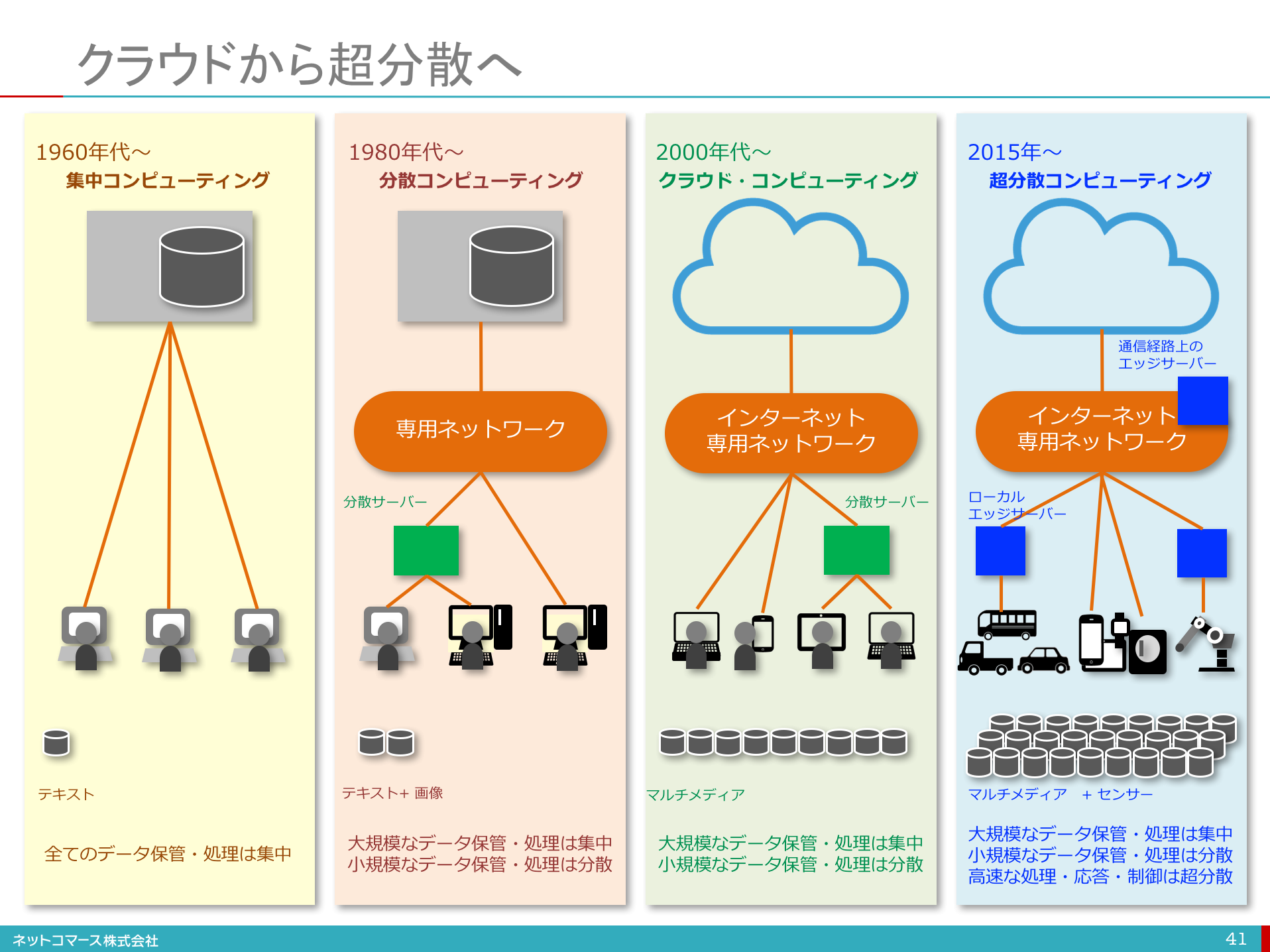
Cognitive computing systems interact with humans to understand human behavior and reasoning, but they still face challenges.
Humans have a wide range of communication styles, dialects, and languages, and attempts to reason with them often result in misunderstandings, mistakes, and incomplete information.
#7. change management
Overcoming change management is another common challenge in cognitive computing.
As a natural human behavior, humans are usually resistant to change and new environments. Unfortunately, as cognitive computing learns this human ability, it becomes difficult for these systems to cope with change, increasing the fear that machines will eventually replace humans.
#8. Data quality dependence
The quality of the data used by a cognitive computing system is critical to its efficiency and accuracy.
Biased, incomplete, or inaccurate data significantly impacts the performance and effectiveness of these systems.
#9. Long development cycle
Cognitive computing systems require more time to develop scenario-based applications. Implementing cognitive computing solutions across multiple industry segments is difficult without sufficient time and the right development team.
Long development cycles make it difficult for small organizations and businesses to develop their own cognitive systems.
#10. Fee
Cognitive computing systems require significant capital investment, expertise, and infrastructure.
Therefore, organizations must weigh all the benefits and costs of cognitive computing before investing in the right system.
learning resources
#1. Cognitive computing: A simple guide for a game changer
This concise report and guide on cognitive computing, published by Peter Fingar, covers the rise of cognitive computing technologies and new applications and their impact on industries and businesses around the world.
| preview | product | evaluation | price | |
|---|---|---|---|---|
 | Cognitive computing: A simple guide for a game changer | $8.39 | Buy on Amazon |
The author shares a fast-paced and fascinating journey with the key events, resources, and players involved in the era of cognitive computing. This book is therefore a must-read for anyone who wants deep insight into cognitive computing intelligence and how it is changing lives globally.
#2. Cognitive Computing: Theory and Applications (Volume 35)
This top-rated comprehensive guide to cognitive computing focuses on its theory and applications. The book has been written by internationally renowned experts such as Vijay V Raghavan, Venu Govindaraju, Venkat N. Gudivada and CR Rao.
| preview | product | evaluation | price | |
|---|---|---|---|---|
 | Cognitive Computing: Theory and Applications (Volume 35) (Statistical Handbook, Volume 35) | $243.00 | Buy on Amazon |
This includes the use of cognitive computing systems to manage renewable energy, machine learning models and algorithms, biometrics, data-driven voice algorithms, graph analytics, and cybersecurity.
#3. Cognitive computing and big data analysis
This book helps organizations and engineers understand the underlying cognitive computing concepts and technologies, from NLP algorithms to knowledge representation techniques.
| preview | product | evaluation | price | |
|---|---|---|---|---|
 | Cognitive computing and big data analysis | $33.00 | Buy on Amazon |
The book also includes practical implementations of emerging projects from Qualcomm, Google, Amazon, and Hitachi.
#4. Cognitive computing recipes
This is one of the ideal books for enterprise architects and software engineers who want to understand deep learning and solve AI and ML problems using real-world code samples.
| preview | product | evaluation | price | |
|---|---|---|---|---|
 | Cognitive computing recipes: Artificial intelligence solutions using Microsoft Cognitive Services… | $37.00 | Buy on Amazon |
Published by Adnan Massod and Adnan Hashmi, this book teaches you how to leverage Microsoft Cognitive Services APIs to build production-ready solutions, solve enterprise problems with NLP and computer vision, and use the Microsoft Cognitive Toolkit (CNTK) Learn how to apply deep learning using TensorFlow and TensorFlow. .
#5. IBM Watson for artificial intelligence and cognitive computing
This Udemy course is perfect if you want to learn how to use IBM Watson to build smart AI, ML, and cognitive computing systems and applications.

Explore the capabilities of the IBM Watson API to choose the best features, build chatbots for customer cases, extract metadata from text, and more.
last word
Although cognitive computing has not yet reached its full potential, there are many possibilities for future implementation. For example, it helps humans make better decisions, automate redundant tasks, and reduce cognitive load.
This blog will help you understand the concept of cognitive computing, how it works, its benefits, and its scope and application in organizations.
Then check out our cloud computing interview questions and answers.


![How to set up a Raspberry Pi web server in 2021 [Guide]](https://i0.wp.com/pcmanabu.com/wp-content/uploads/2019/10/web-server-02-309x198.png?w=1200&resize=1200,0&ssl=1)


