If you’re interested in cloud computing and SaaS, learning about multi-tenancy will help you better understand the architecture.
Multi-tenancy has become an integral part of cloud computing as data sharing has become very popular. Many popular cloud service providers offer multi-tenant services to their end users. Multi-tenant architecture efficiently distributes cloud-based workloads.
Before we move on to a detailed explanation of multi-tenancy, let’s quickly learn about cloud computing.
What is cloud computing?
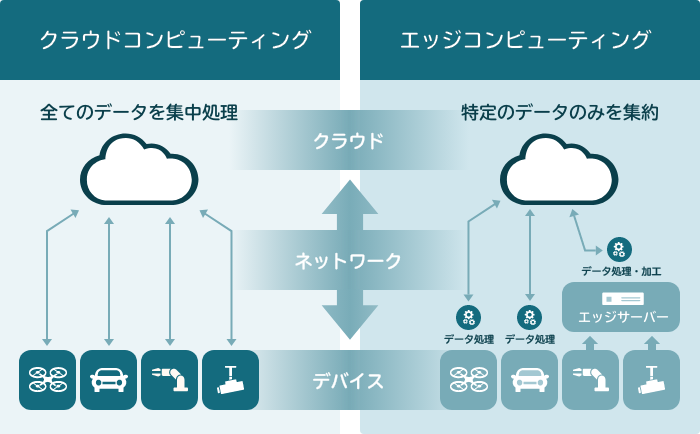
Cloud computing refers to technologies that make computer resources, storage, and computing power available on demand to users over the Internet. Reduce costs with pay-as-you-go services and eliminate the need to purchase and maintain physical data centers.
Businesses of all types are now using cloud computing for a variety of purposes, including development and testing, email, data backup, analytics, and disaster recovery.
Multi-tenancy in cloud computing
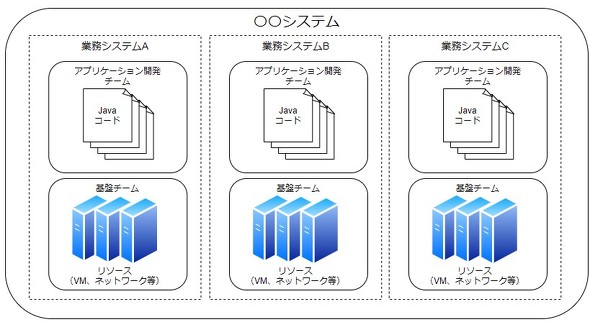
Simply put, multi-tenancy means having multiple tenants. Cloud computing refers to an architecture in which multiple customers or end users share IT resources in a public or private cloud solution. However, each tenant’s data is isolated from other tenants and hidden from view, so you don’t have to worry about privacy.
In such a system, every tenant or customer has a separate and distinct space for data storage and processing. Each section of a multi-tenant cloud network must handle complex permissions before allowing users access to isolated data.
This means that the data can only be accessed with the service provider’s permission, and all other tenants cannot access the data.
Tenants of a private cloud are typically different individuals or groups belonging to a single organization. If you’re a public cloud service provider, you might have tenants in another organization that securely share your server space.
We also see that most public cloud solution providers follow this model. The reason is that running a single-instance server is cheaper and better for streamlining updates.
How multitenancy works in cloud computing
Multi-tenancy in cloud computing behaves differently in different situations.
#1.Public cloud
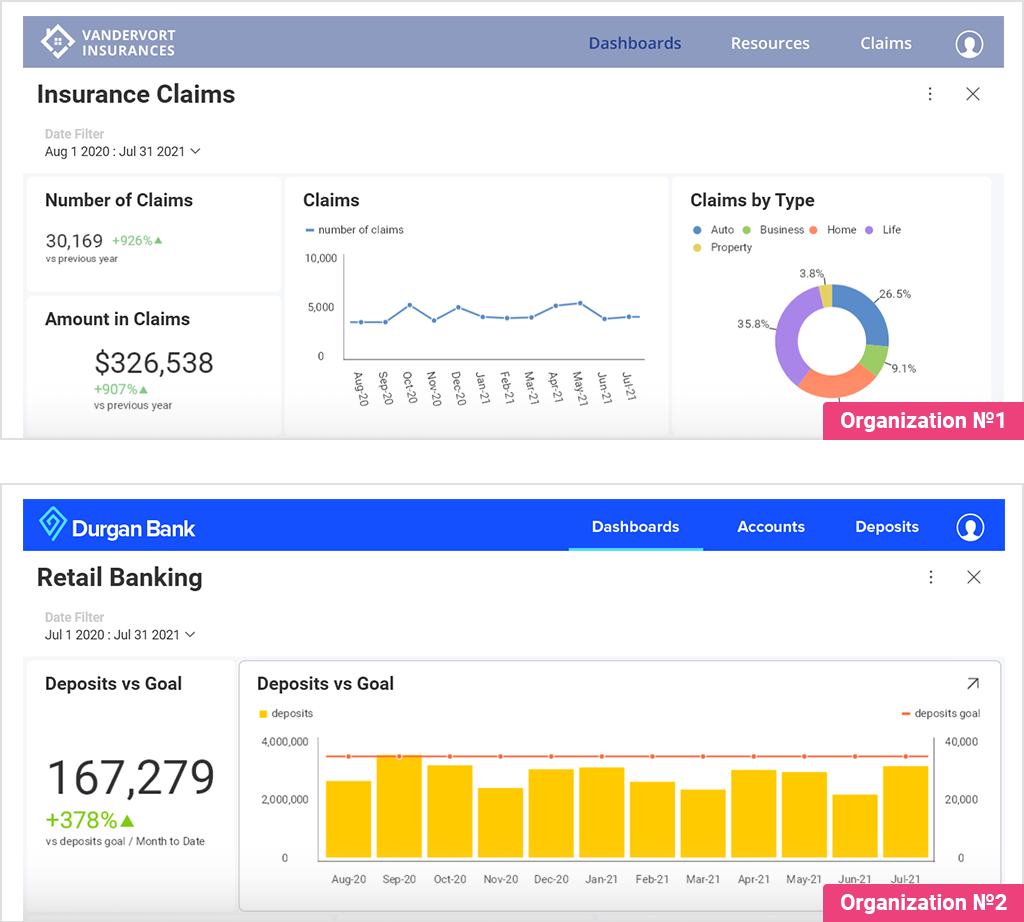
For most service providers, multi-tenancy means sharing software instances. They store metadata for each tenant and use it to modify software instances at runtime. Each user needs permission to access the data so that they can only access their own data. Additionally, despite sharing an application instance, you get a different experience.
#2.Private cloud
The functionality of private cloud multitenancy is more or less similar to public cloud computing. The only difference is that the other tenants belong to the same organization. In a private cloud platform, different teams from the same organization share resources.
#3.Container architecture
A container is a self-contained bundle that consists of an application, its system libraries and libraries, and everything else the application needs to run. With containers, your applications run the same regardless of where they are hosted.
Multiple containers are created to accommodate multiple tenants. Therefore, different users can run them on the same host machine.
Comparing multi-tenant and single-tenant clouds
Cloud-based SaaS has two models for users: single-tenant and multi-tenant. The difference between these two is in the user’s access mode.
Every customer of a single-tenant cloud service gets a separate software instance running on a separate infrastructure. With multi-tenant cloud computing, customers use a shared infrastructure to access SaaS solutions on demand.
Features of multi-tenancy cloud
data privacy
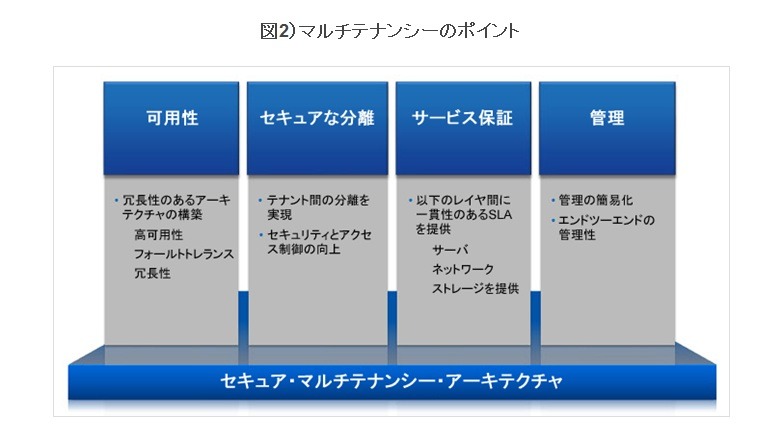
Multi-tenant cloud service providers implement data privacy best practices. Therefore, one tenant cannot access data of other tenants.
safety
Data stored in the cloud is vulnerable to cyber attacks. Especially in the case of multi-tenancy, an attack can result in data leakage for hundreds of tenants. For this reason, service providers have implemented robust and up-to-date security measures.
data backup
Data loss can occur due to many unexpected situations, so the provider always backs up data of all tenants for quick data recovery.
Separation of uses
Heavy use of the application by one tenant does not affect the performance of other tenants’ software.
Scalability
Most multi-tenant platforms are fully scalable to accommodate the needs of increasing tenants.
Application upgrade function
New features and bug fixes are always needed on these platforms. Therefore, system upgrades are an important part of it.
Pay-as-you-go usage and charges
Using a multi-tenant cloud means utilizing resources as needed. Prices are also pay-as-you-go.
Virtualization and multi-tenancy
People often confuse multi-tenancy with virtualization. However, the two are not exactly the same. With multi-tenancy, multiple customers use the same application within the same environment/hardware.
With virtualization, multiple virtual copies of a server are hosted on a single physical server. Each application runs on a separate VM with an operating system.
The importance of multi-tenancy in SaaS application design

When developing a SaaS application, you need to decide on a tenancy model. You can choose between single-tenancy and multi-tenancy, depending on the resources you provide and the operational complexity your application can handle.
Using a multi-tenant architecture for SaaS means that vendors need to update their software once to serve all tenants. You can provide access to multiple customers by running one application instance on a single database instance. In this case, everyone’s data remains hidden and inaccessible to others.
Multi-tenant SaaS vendors can serve all businesses, including small businesses and large enterprises. It also provides scalability to clients as resource usage can be increased or decreased depending on current business demands.
Multi-tenancy also ensures efficient use of IT resources. Requires less upfront infrastructure procurement and management resources. This model also helps vendors and clients save costs. This is often a useful feature to include more people in your client base.
Multi-tenancy computing applications
#1. ADP
ADP DataCloud is business data analysis software on the cloud. This is one of the great examples of multi-tenancy cloud software as it caters to various business areas such as human resources, payroll, time and expense, employee time and attendance management, HR outsourcing, and corporate compliance.
Different tenants or cloud app users can customize the app and its policies according to their internal business needs.
#2.Fresh Books
FreshBooks, a leading cloud app for accounting and bookkeeping, also offers SaaS services following a multi-tenancy model. This tool comes with more than 10 features for the accounting section of any business.
Depending on business needs, clients can choose features and pay only for the services they use. Clients can also modify the application according to their business brand. Multi-tenant cloud computing allows for this extensive customization.
#3.Zoho
Zoho CRM and Workplace are also multi-tenant compliant on the cloud. There are over 40 business applications to help you run your organization with ease. You can use a few tools like Zoho Assist, Zoho CRM, etc., or subscribe to an entire bundle like Zoho One.
#4. Kubernetes
Multi-tenant projects are proliferating in the Kubernetes community. Kubernetes multi-tenancy features allow you to share clusters according to the needs of multiple teams.
This model simplifies administrative tasks and saves costs. Here, multi-tenancy can be implemented in two ways: cluster sharing and multi-cluster.
Multi-tenant computing: disadvantages
- Due to regulations and compliance, many organizations may not be able to store data on multi-tenant cloud platforms.
- If the infrastructure is not set up properly, excessive resource usage by one tenant can impact the performance of other tenants. People also call this the “noisy neighbor” effect.
- When it comes to database maintenance and codebases, they become more complex when a single application instance serves multiple tenants.
- Backing up and restoring data in a multitenant environment is a complex process. Therefore, not all providers offer reliable restoration services.
- Tenants in this model have fewer customization options and limited control over data quality.
- Issues that require a system-wide reset affect all tenants in the environment.
The future of multitenant computing
Multi-tenancy is the future of modern applications. In the coming days, we will begin to see more multi-tenant applications around the world running on multi-tenant virtual environments and using multi-tenant hardware.
The number of single-tenant applications will gradually decrease. Ultimately, its use will be limited to on-premises data center environments.
By addressing security concerns around multi-tenancy, cloud solution providers can encourage more people to choose their platform.
Multi-tenancy: learning resources
Developing multi-tenant applications for the cloud on Windows Azure
Amazon’s book explains how to build multi-tenant applications that can accommodate future scalability requirements. In addition to focusing on best practices for implementing multi-tenant applications, we also cover scalability, security, availability, and resiliency for SaaS applications.
| preview | product | evaluation | price | |
|---|---|---|---|---|
 | Developing multi-tenant applications for the cloud on Windows Azure (Microsoft patterns and practices) | $45.99 | Buy on Amazon |
This book is especially useful for developers, architects, or IT professionals who work with Windows systems.
Advances in multi-tenant architecture
This Amazon book will give you a better understanding of the advancements in multi-tenant architectures or models. We also discuss data models and data security for multi-tenant applications.
| preview | product | evaluation | price | |
|---|---|---|---|---|
 | Advances in multitenant architecture | $59.29 | Buy on Amazon |
This book also helps you learn about tables with database-level multi-tenancy, fine-grained data access control, and vertical scalability.
Author’s note
Organizations are always looking to take advantage of single-tenant and multi-tenant clouds. We are also opting for hybrid and multi-cloud tenants.
However, this trend indicates that multi-tenant cloud computing is more popular than other models. It offers infinite scalability and a cost-effective pricing model, making it ideal for businesses moving from on-premises to cloud services.
conclusion
Multi-tenancy has become a popular model for sharing cloud computing resources with a large number of users without interfering with anyone’s privacy or security.
We have covered all the aspects required for multi-tenancy in cloud computing. You can also learn more about this topic from the resources listed above. You may be interested in learning about hybrid cloud computing.


![How to set up a Raspberry Pi web server in 2021 [Guide]](https://i0.wp.com/pcmanabu.com/wp-content/uploads/2019/10/web-server-02-309x198.png?w=1200&resize=1200,0&ssl=1)


